2024 has been a big year for art, and I have done my best to see as much of it as possible. Some of it I’ve posted here, and some I just missed the opportunity due to general busyness. Instead of trying to fill in all the gaps, I’ll choose my favourites. Please join me on this adventure through my top exhibitions of 2024.
From William Blake (again but inexhaustible) at a fascinating Cambridge museum to an underground sepulchre in Kings Cross to an explosion of colour at Tate Modern.
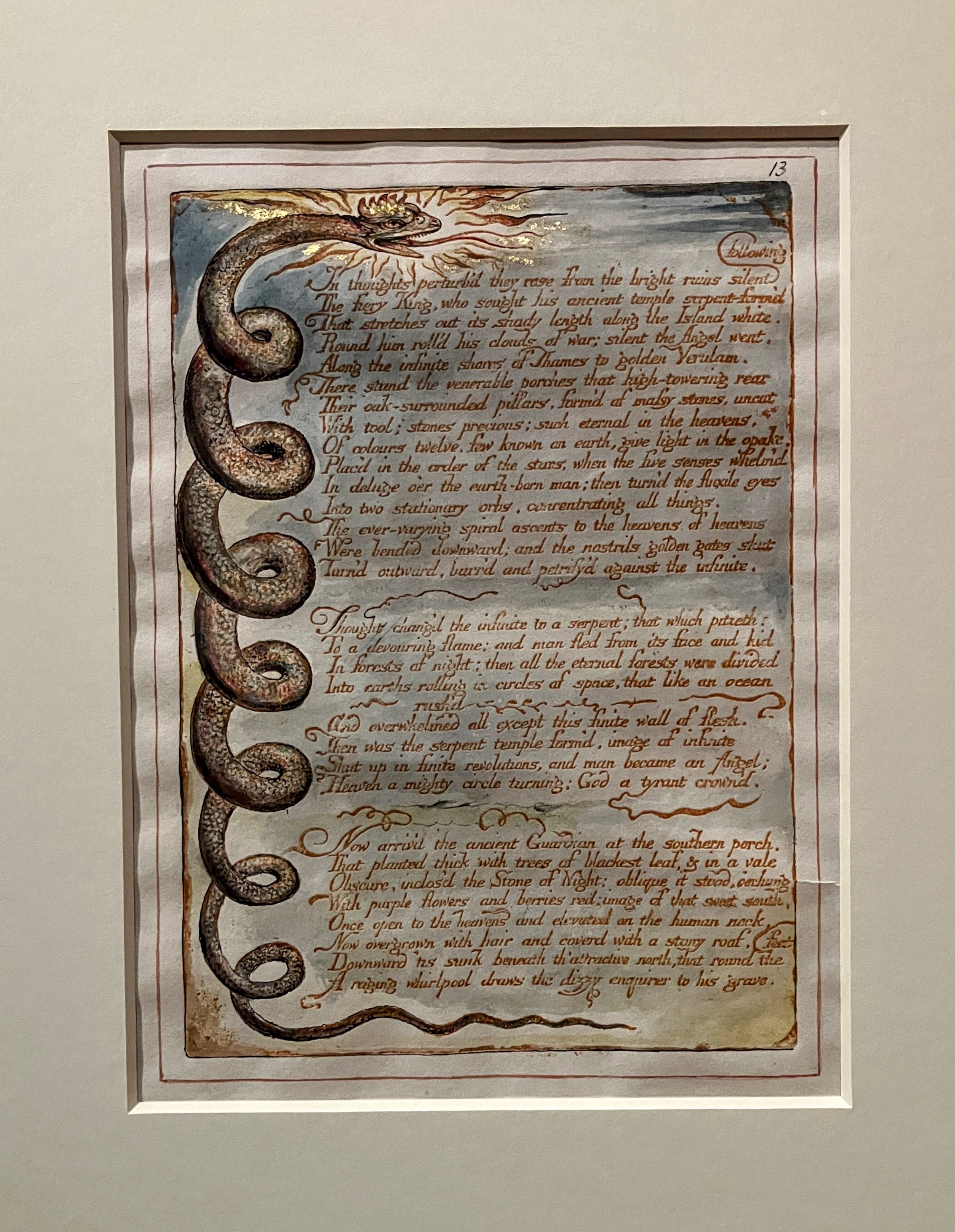
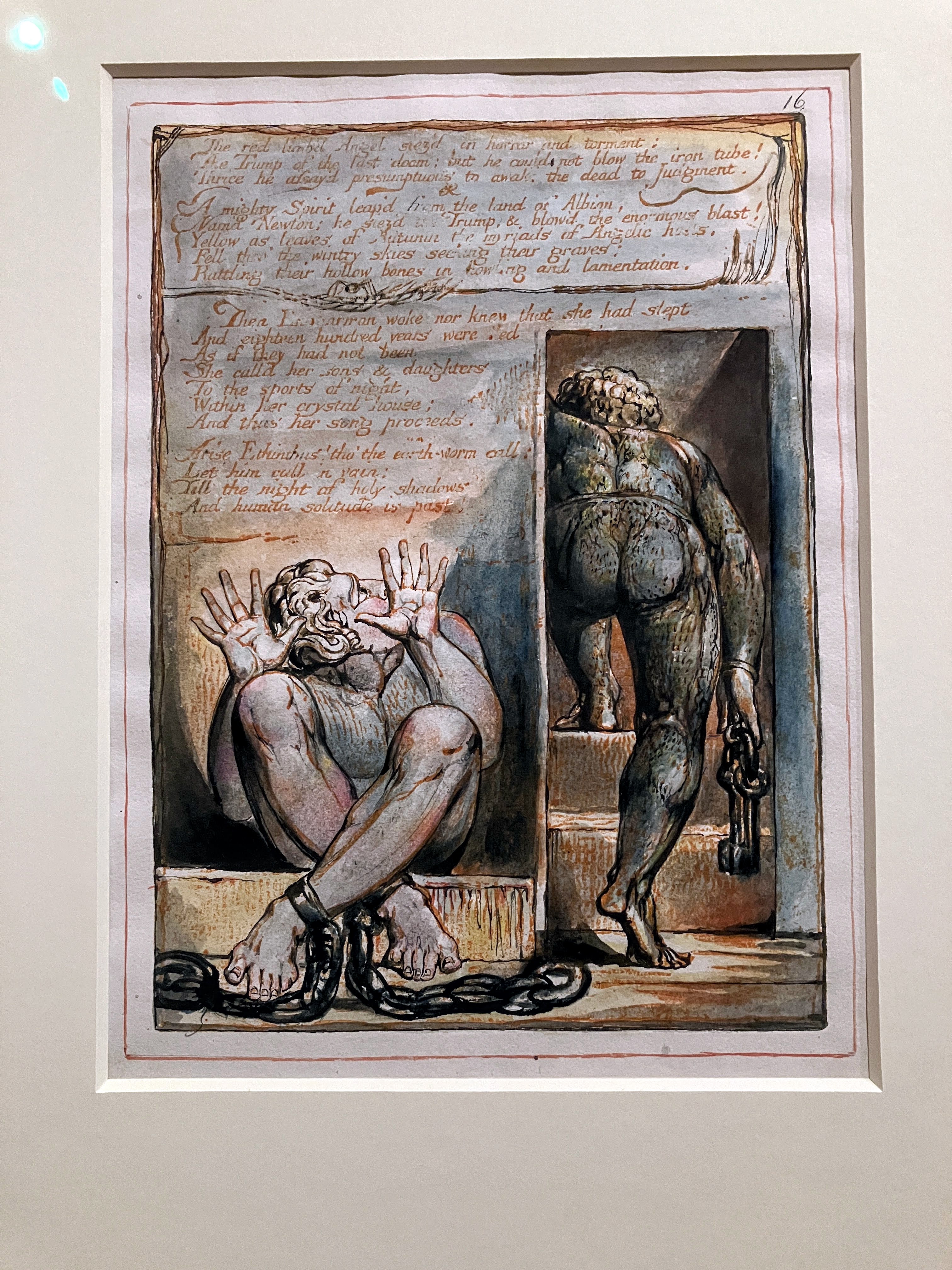
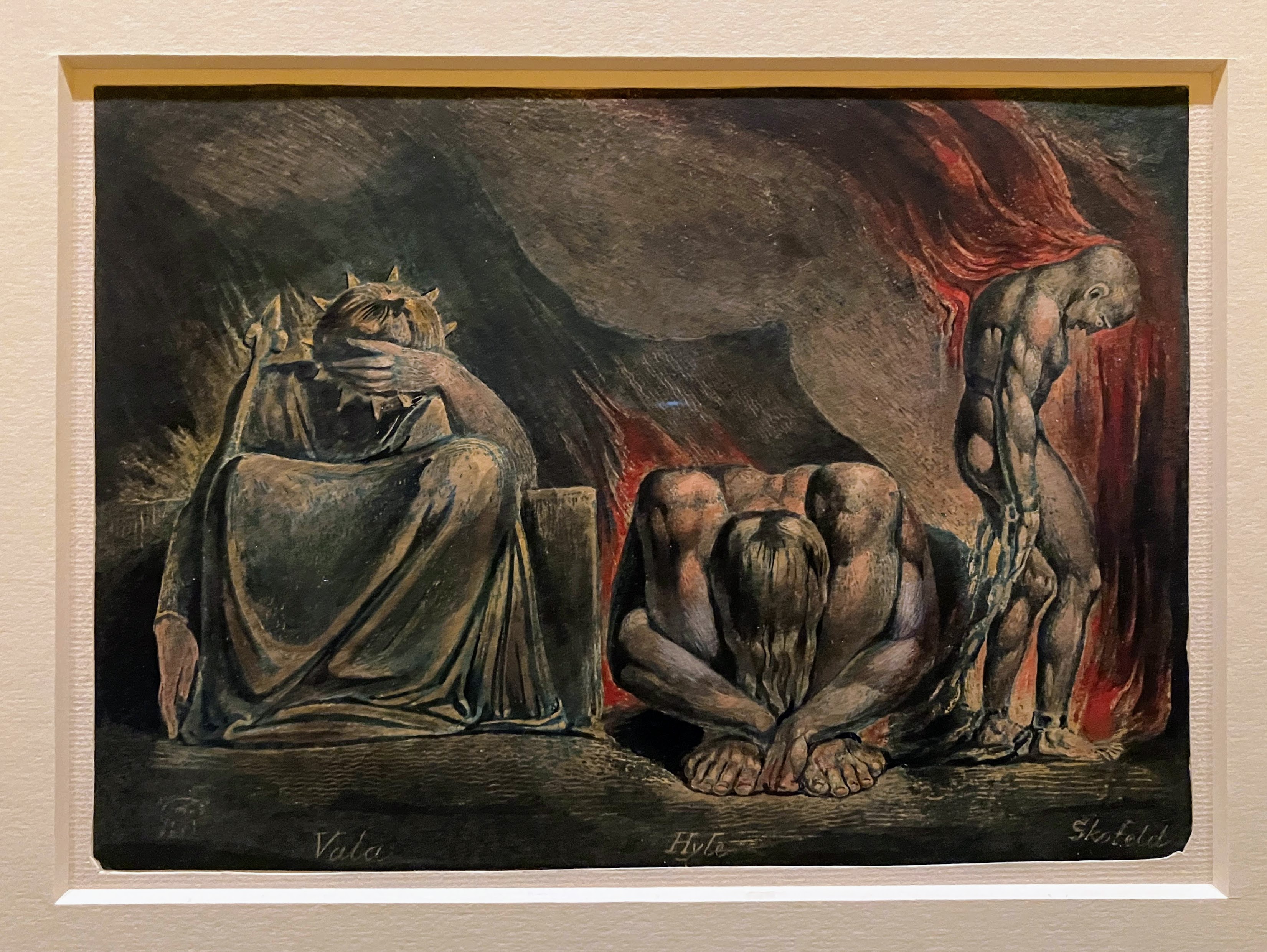
WILLIAM BLAKE IN CAMBRIDGE
I visited the remarkable Fitzwilliam Museum in Canbridge to see the William Blake exhibition. It was my first time at the Fitz, and I cannot believe it took me so long to visit that incredible museum! It was really a terrible overisght and I will definitley recitify that.
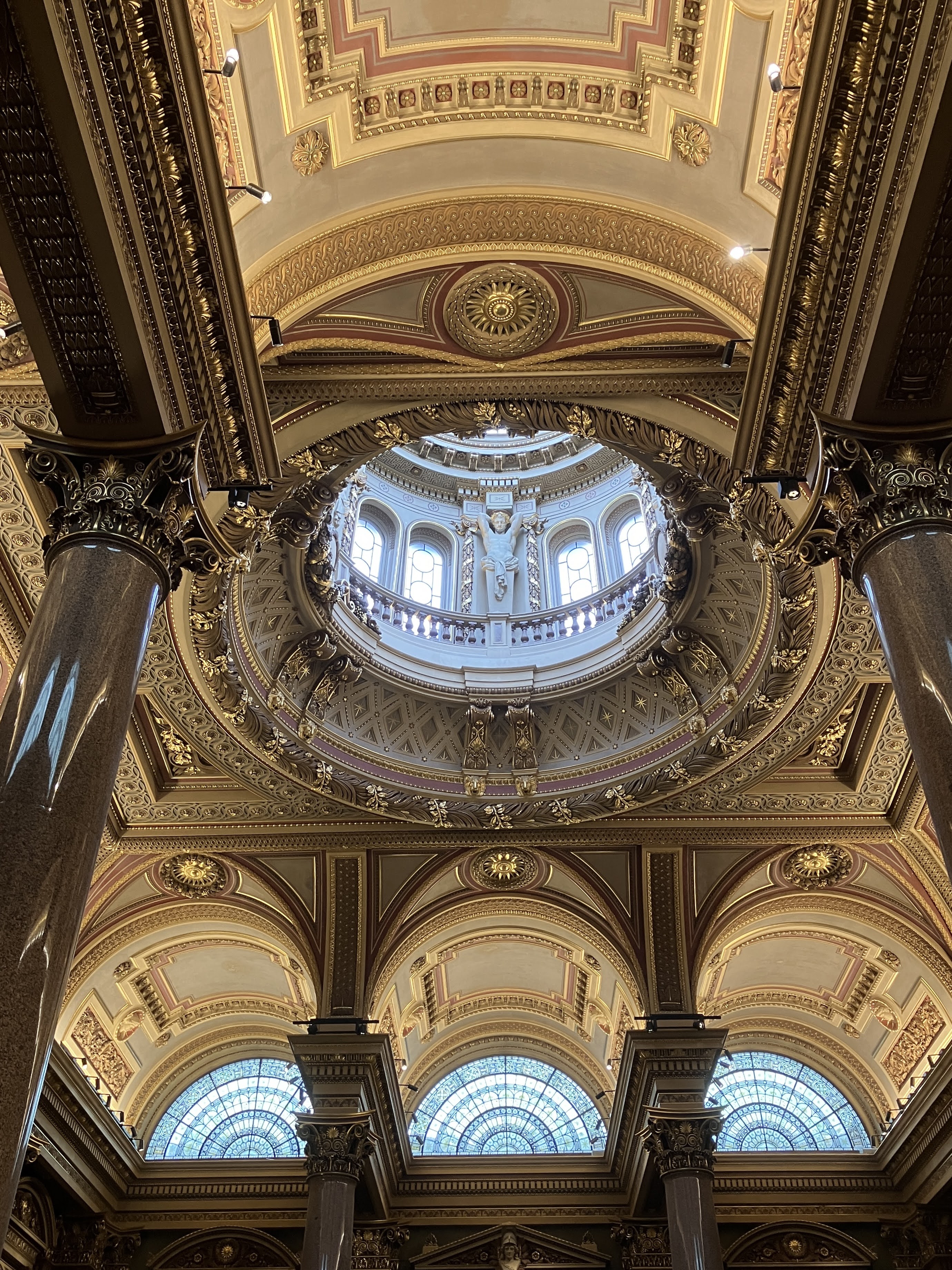
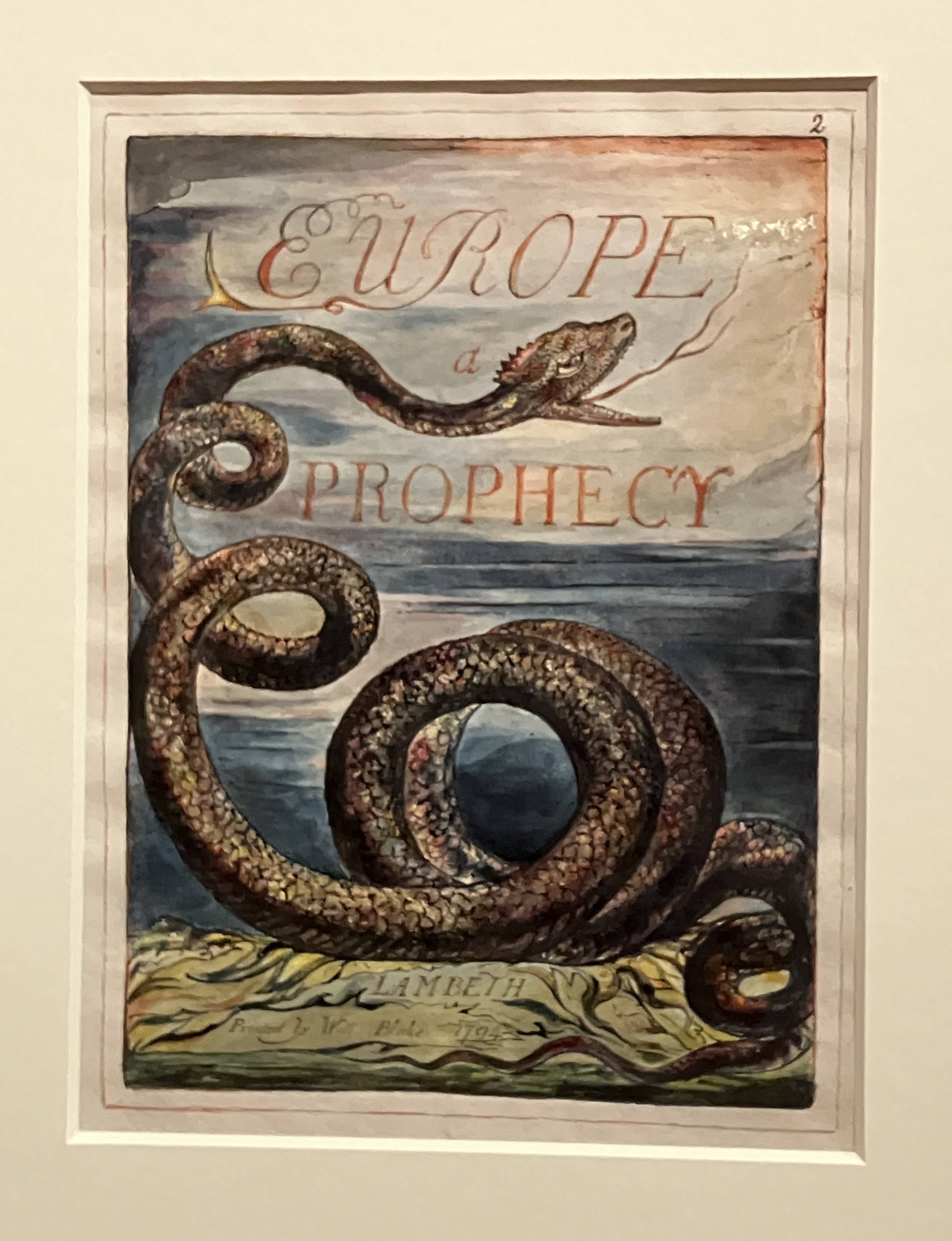
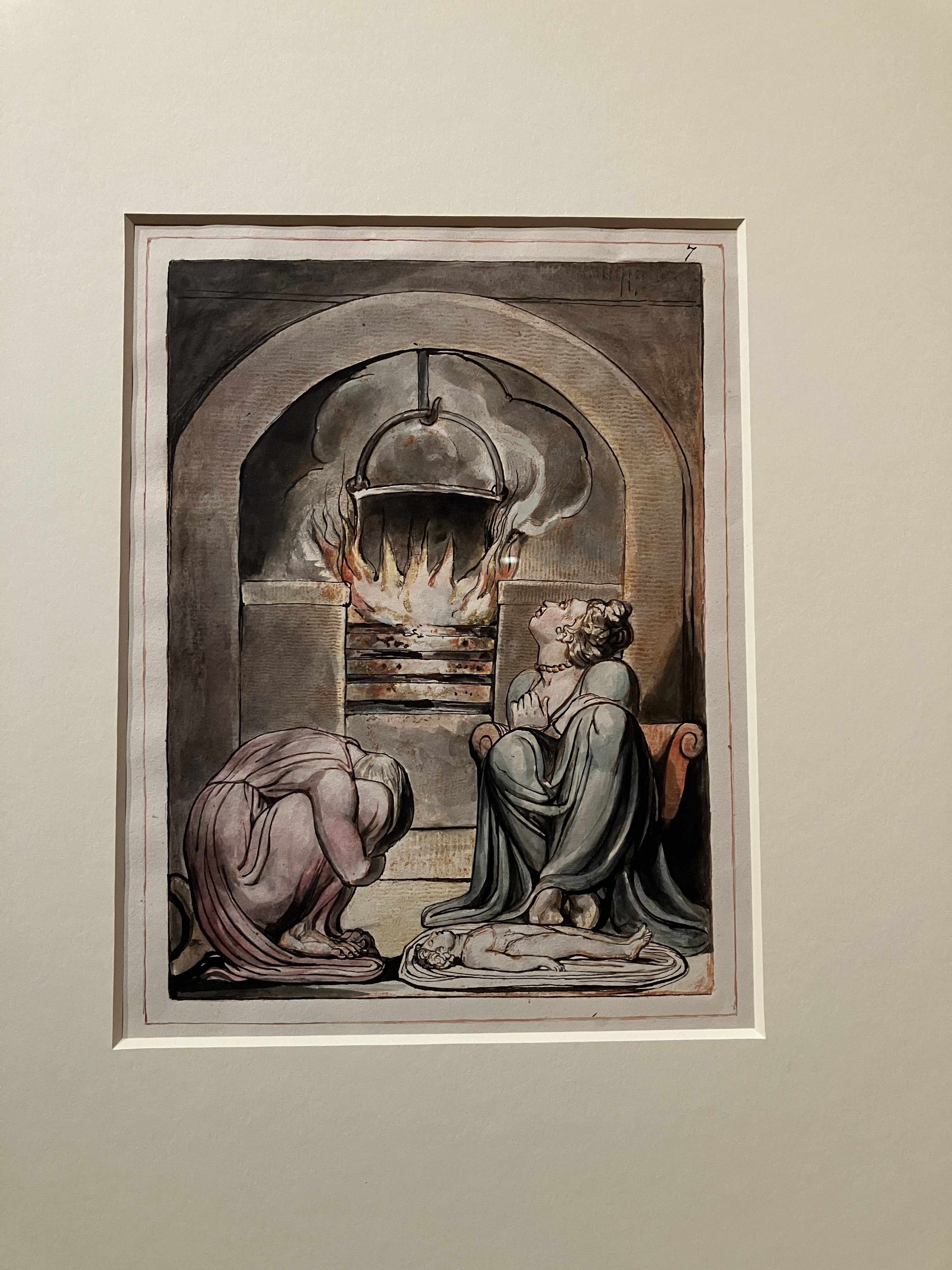
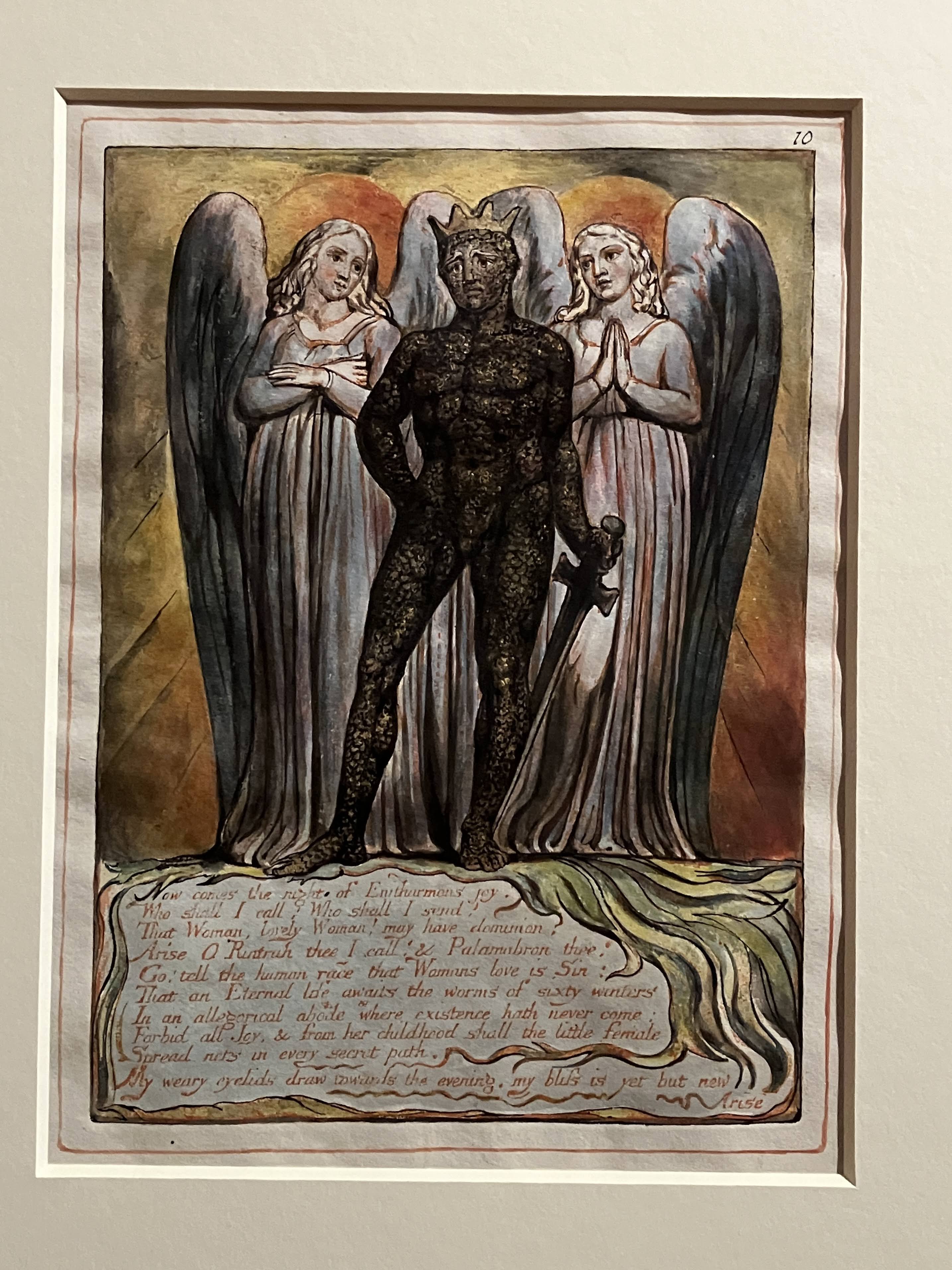
‘William Blake’s Universe’ was well worth the trip. Even though I’d seen the wonderful 2020 exhibition in Tate Britain, Fitz’s show told me things about Blake I didn’t realise and helped me to think about him and his work in new ways. Also since 2020 I have read Marsha Keith Schuchard’s book Why Mrs Blake Cried: William Blake and the Sexual Basis of Spiritual Vision . This is highly interesting: the books makes clearer links to and better explanaitons of the occult and mystical circles in London in which Blake and his friends moved, fomr the Swedenborgians and the Moravians to the outright alchemists.

LINA IRIS VIKTOR AT THE SOANE: Mythic Time / Tens of Thousands of Rememberings
Sir John Soane Museum
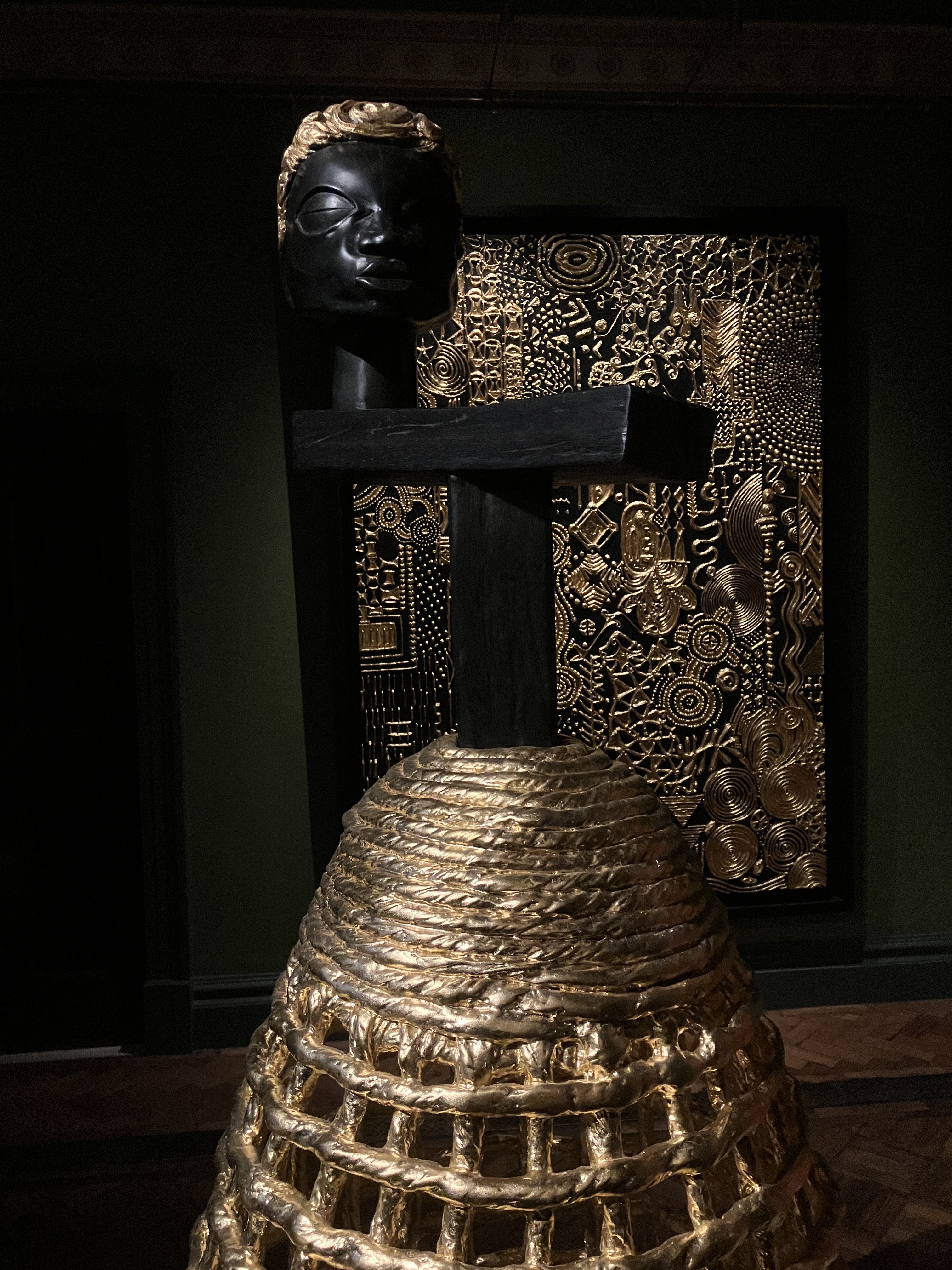
Hard on the heels of the remarkable 1-54 African Art Fair, I encountered the beautiful exhibition by Lina Iris Viktor at the Soane, and it truly moved me. Her luminous, elemental pieces—ranging from sculpture to painting, photography, and gilding—delicately explore the profound complexities of time, memory, and the interweaving of rich historic global traditions.
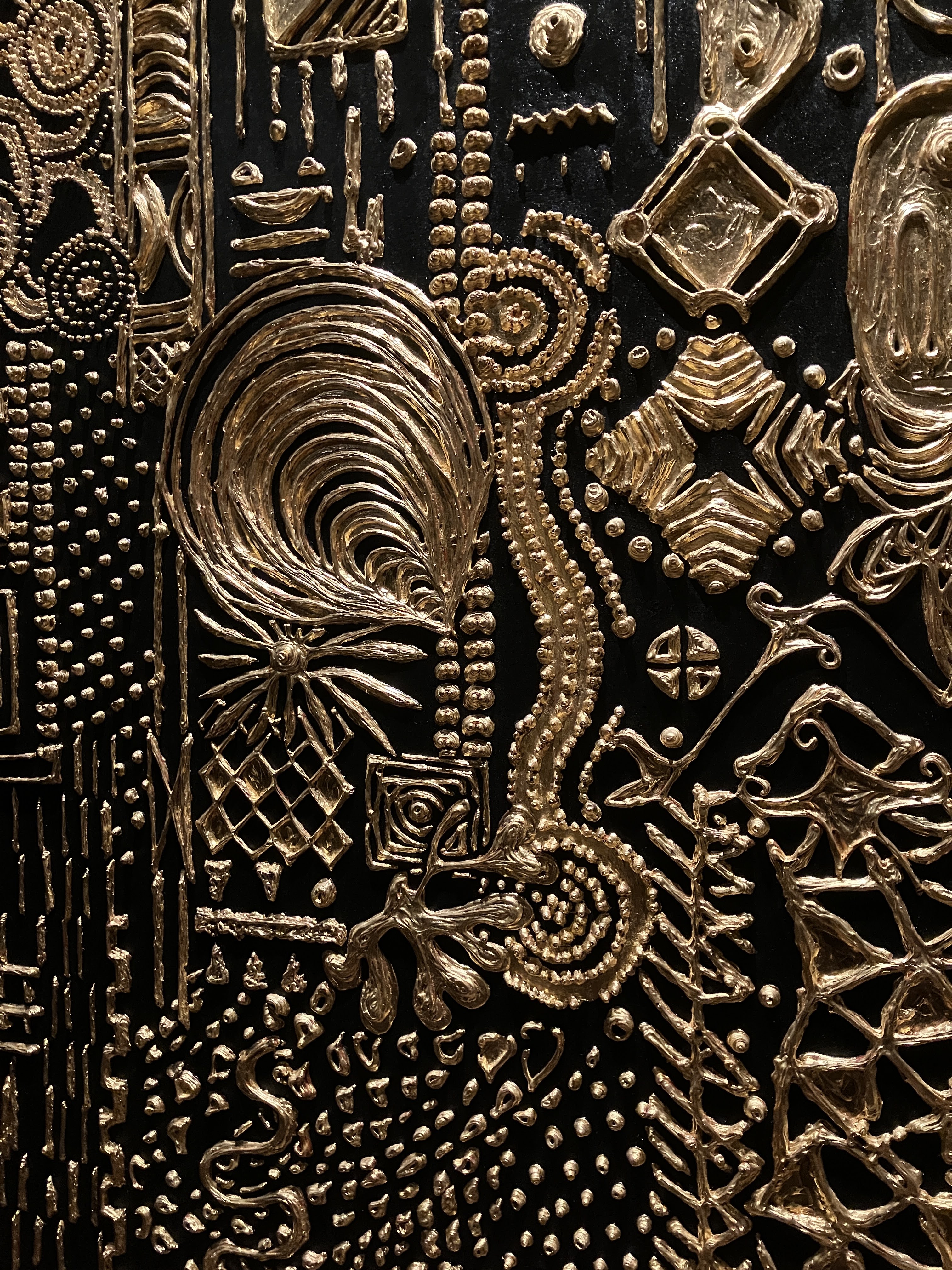
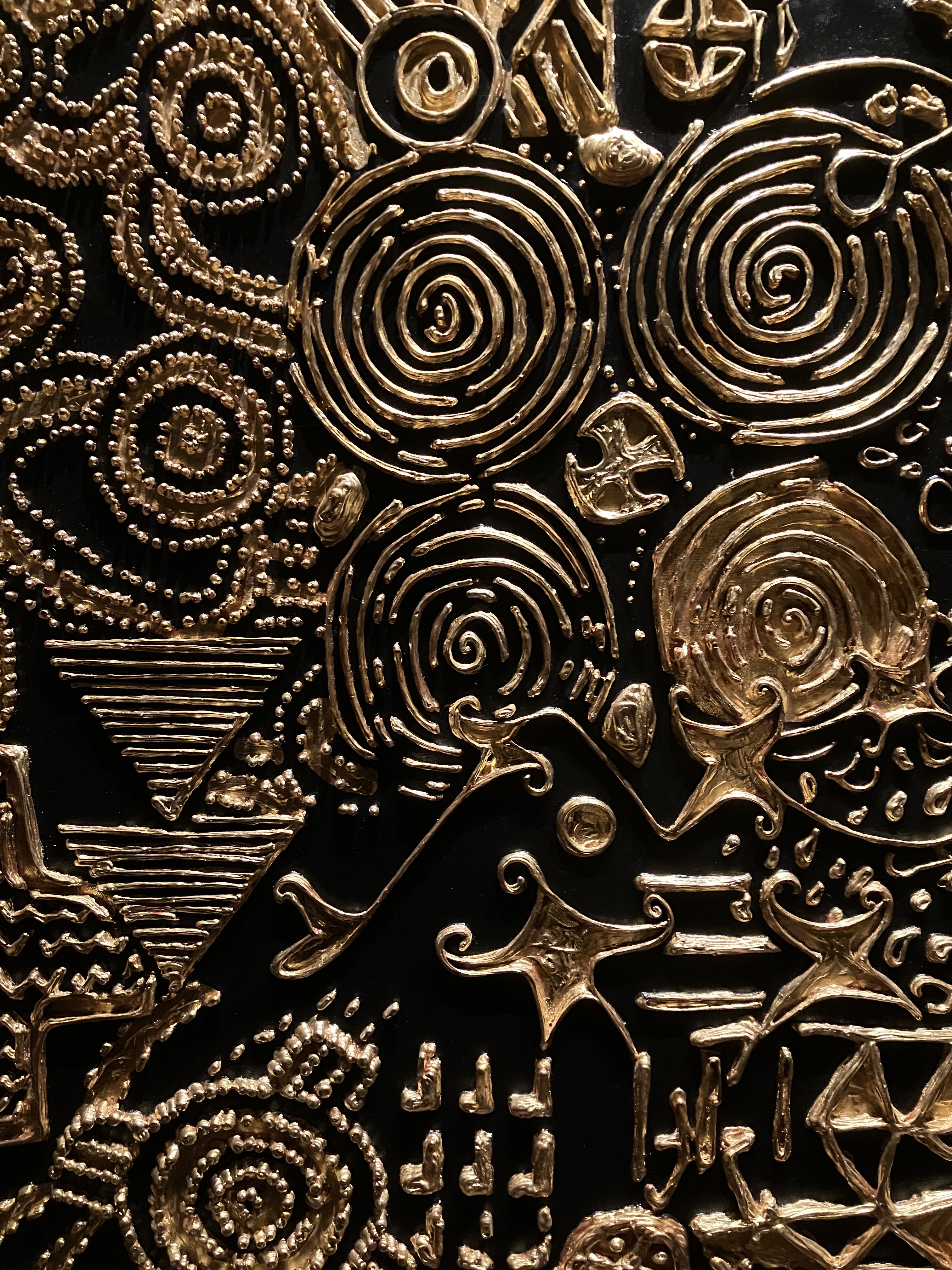
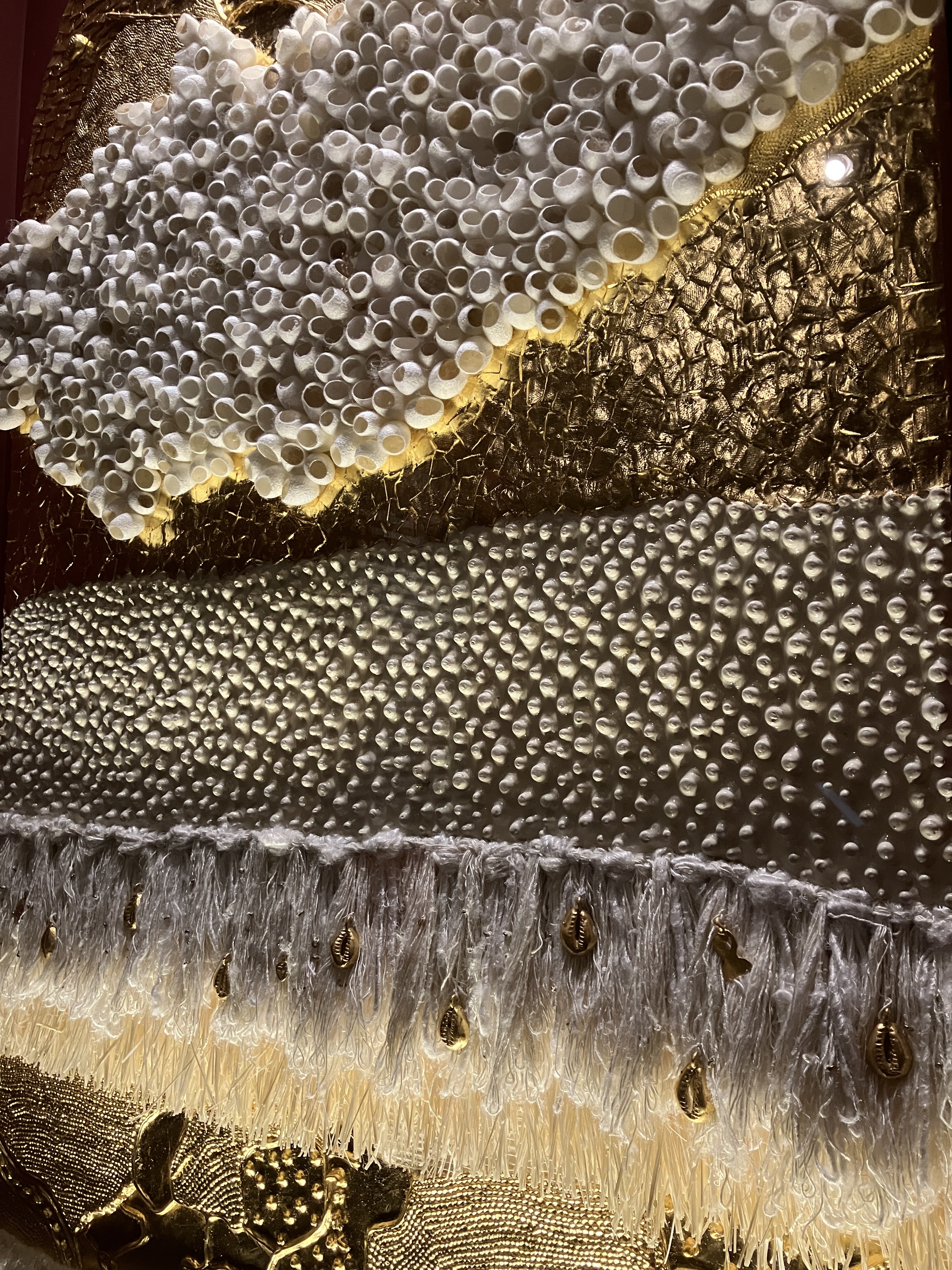
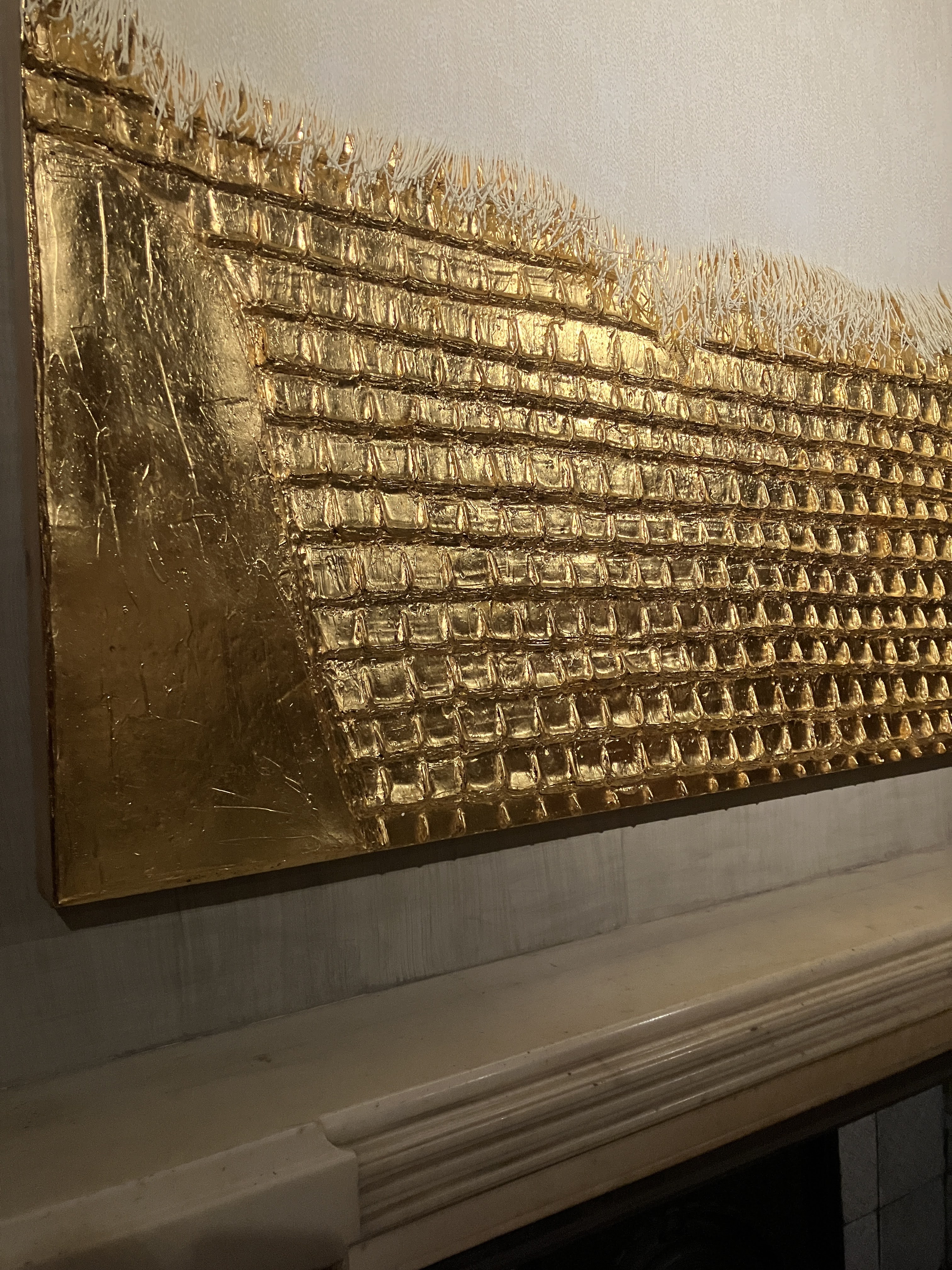
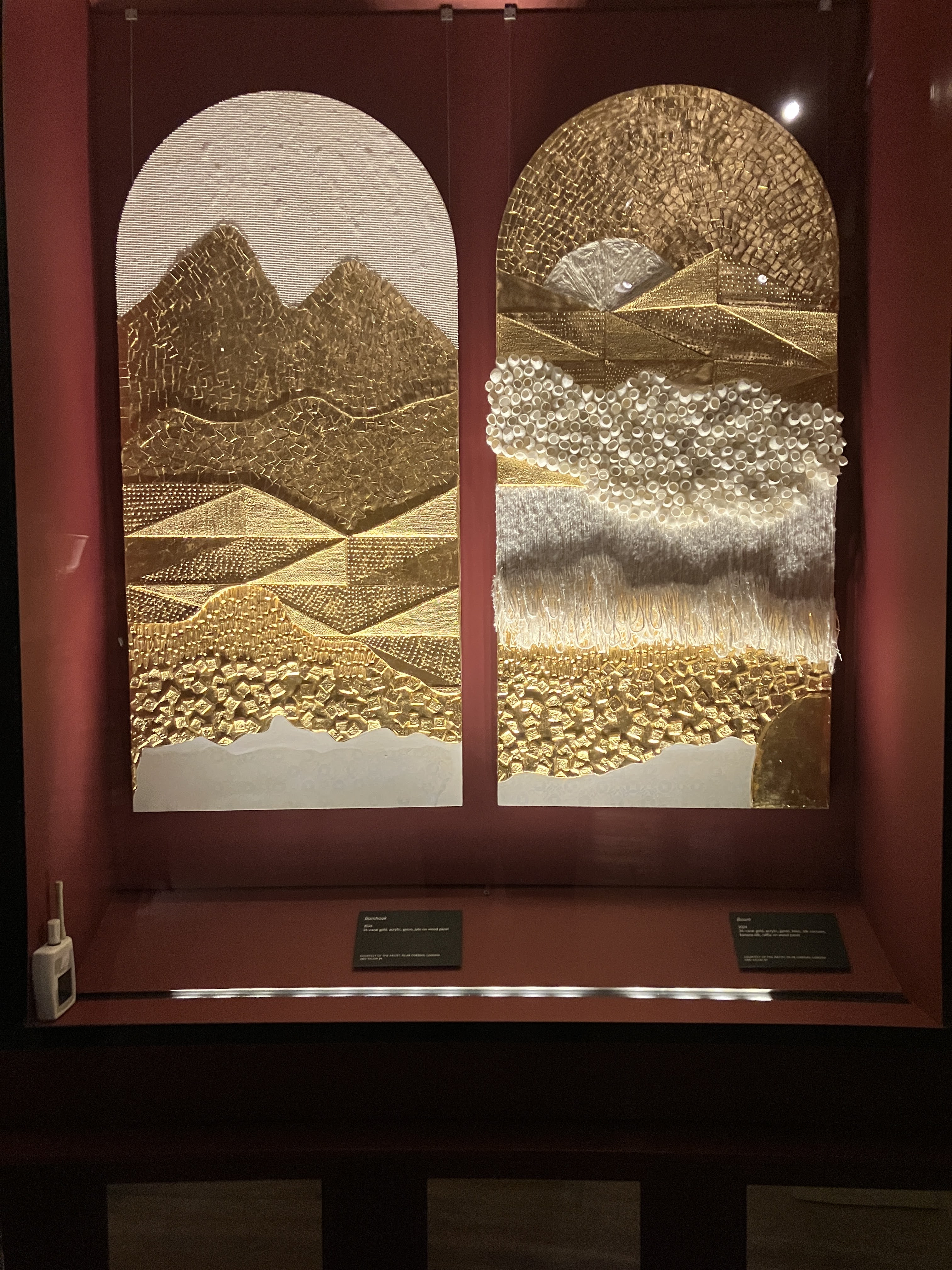
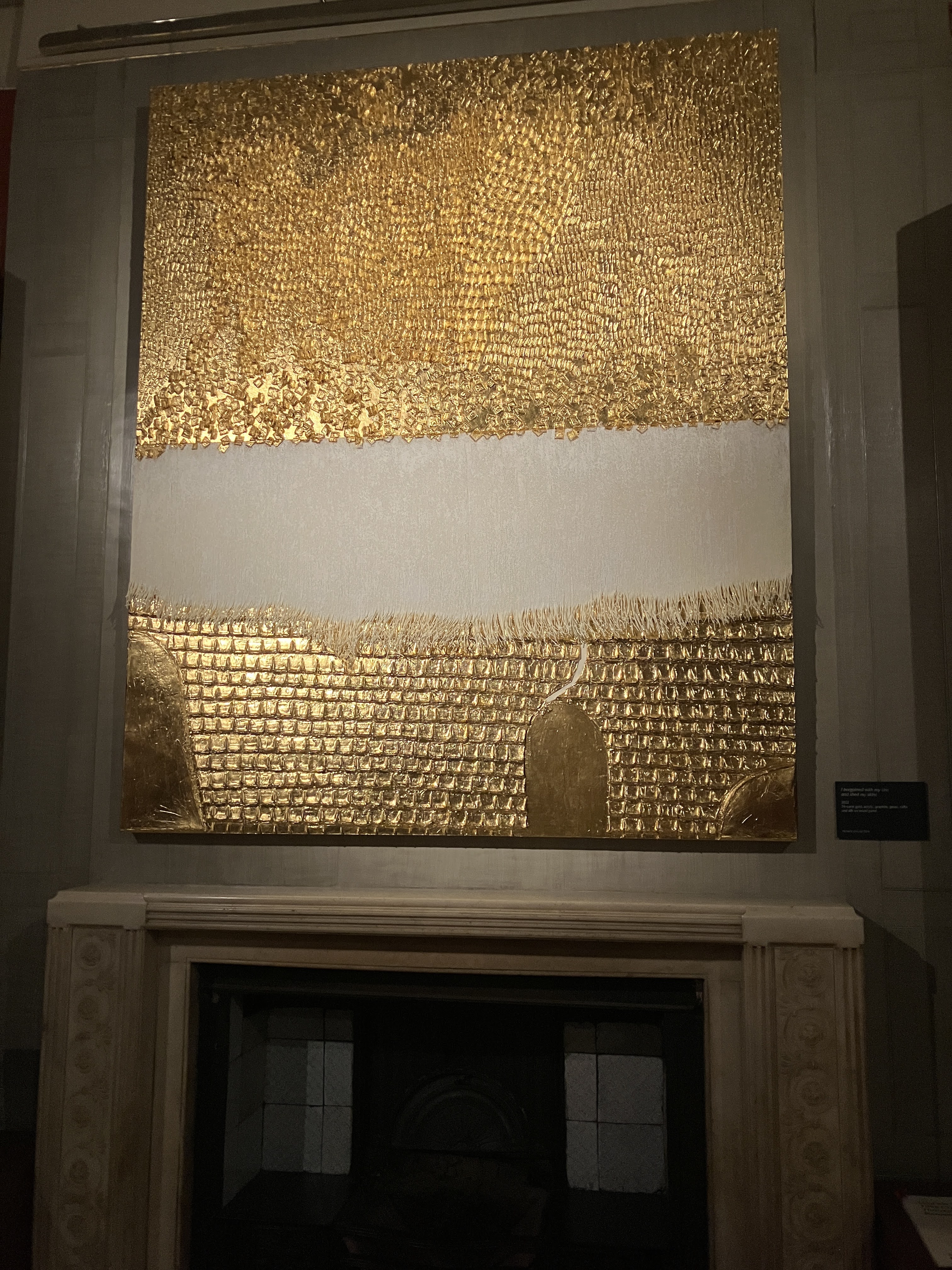
In her sculptural works Viktor uses ancient, primordial materials like gilt, bronze, ceramic, wood, and silk, inviting us to connect with their primal, timeless qualities and reflect on our shared human experiences.
THE LABYRINTH OF ALCHEMISED HONEY
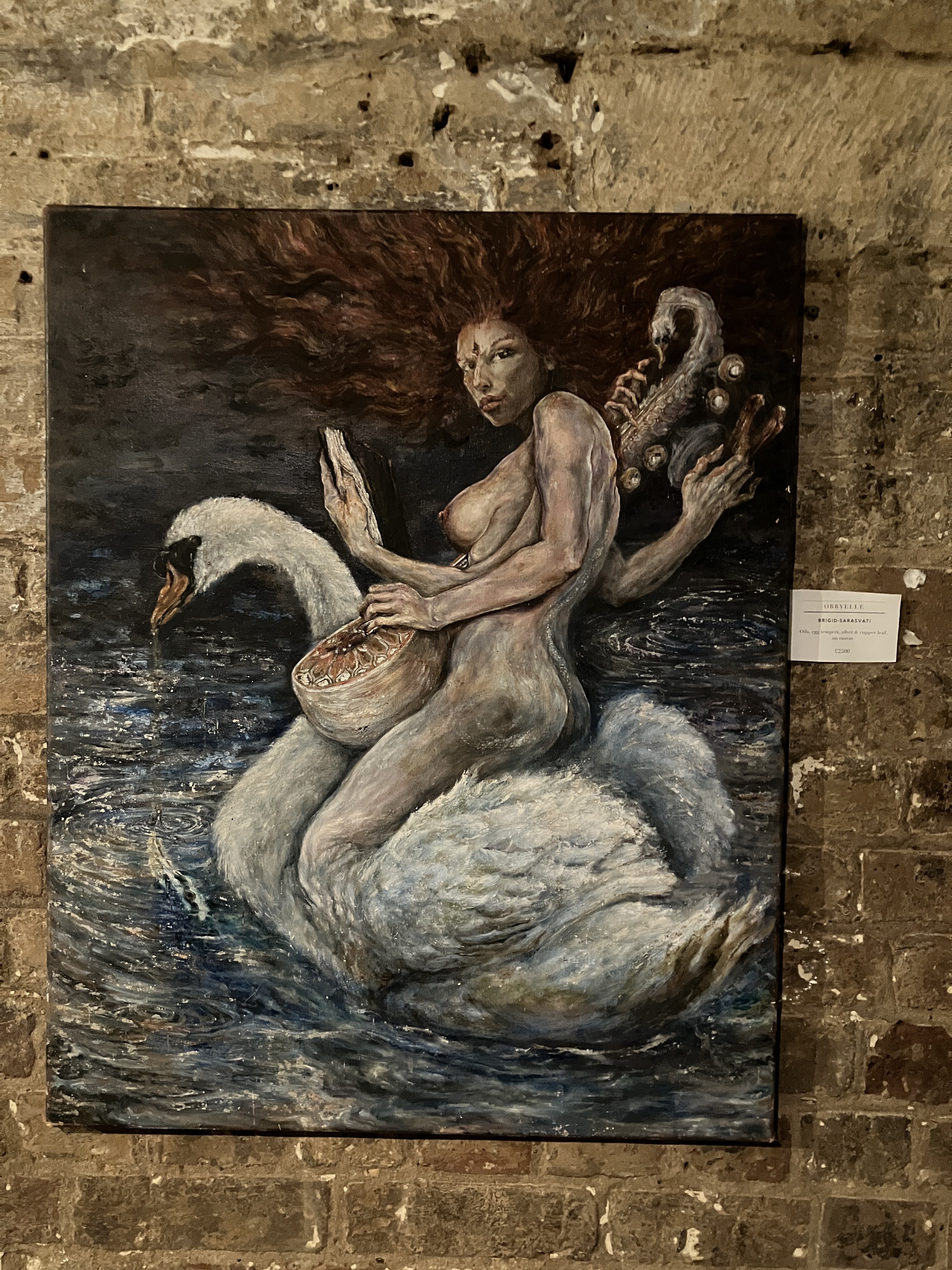
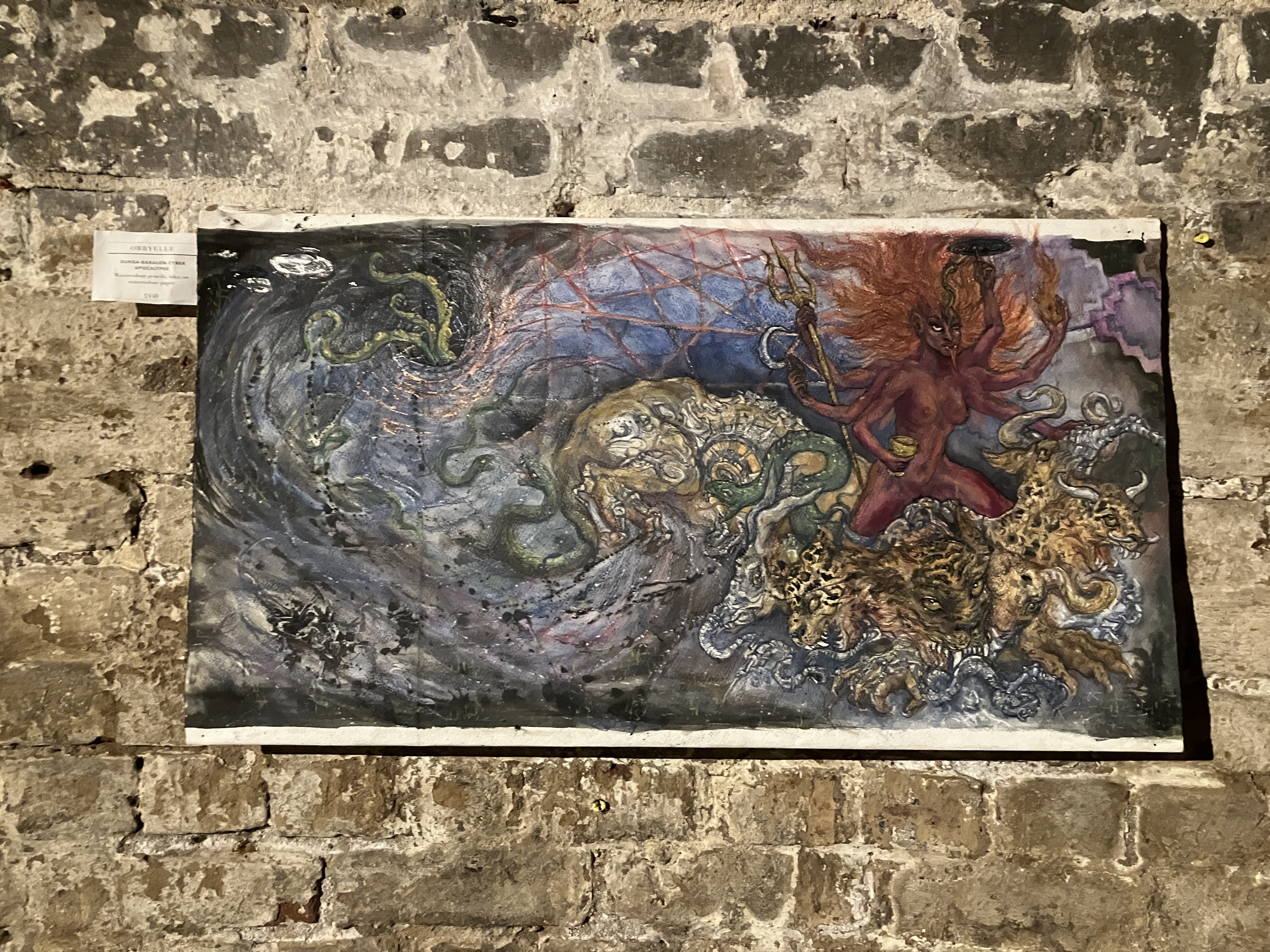
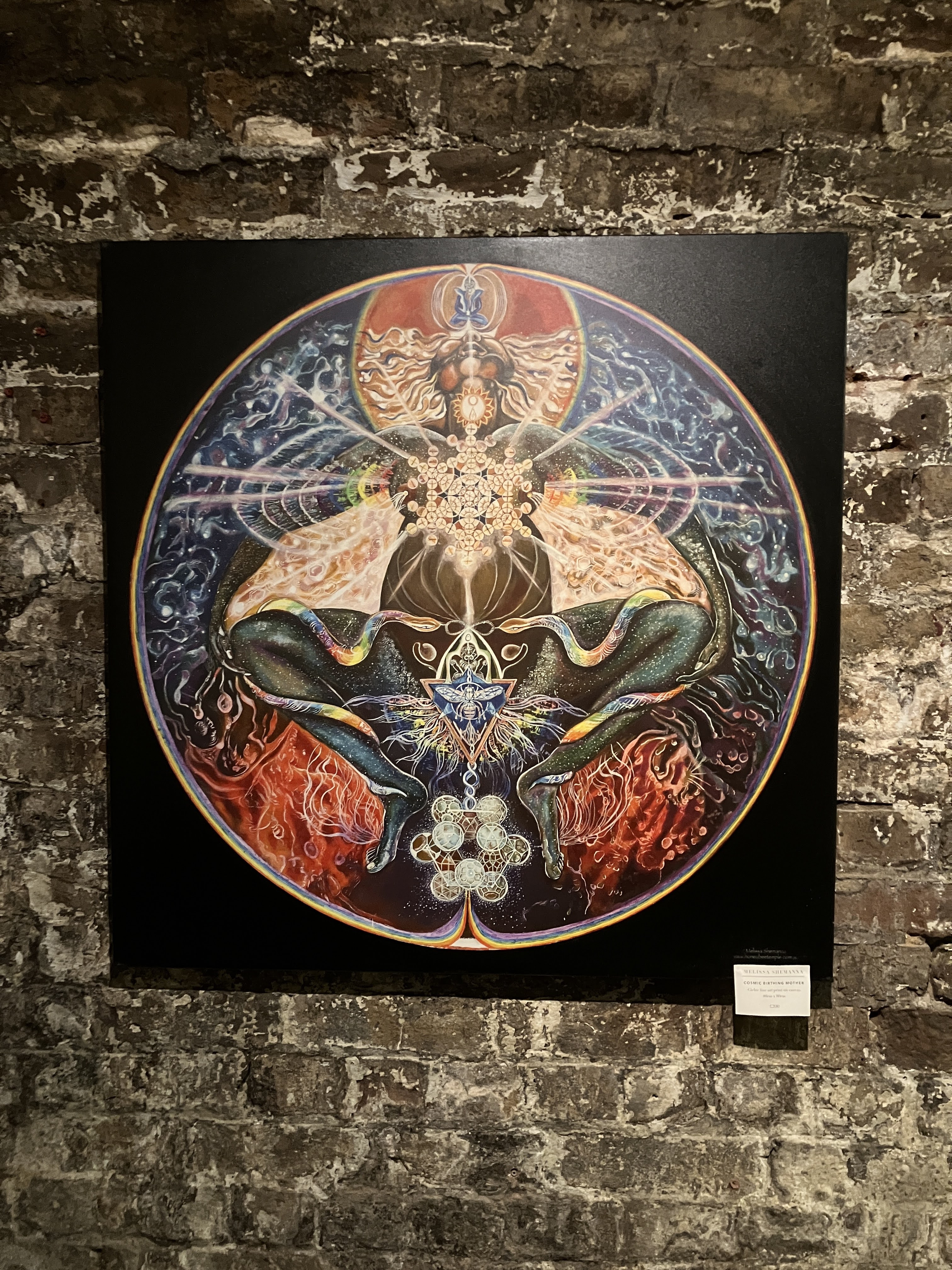
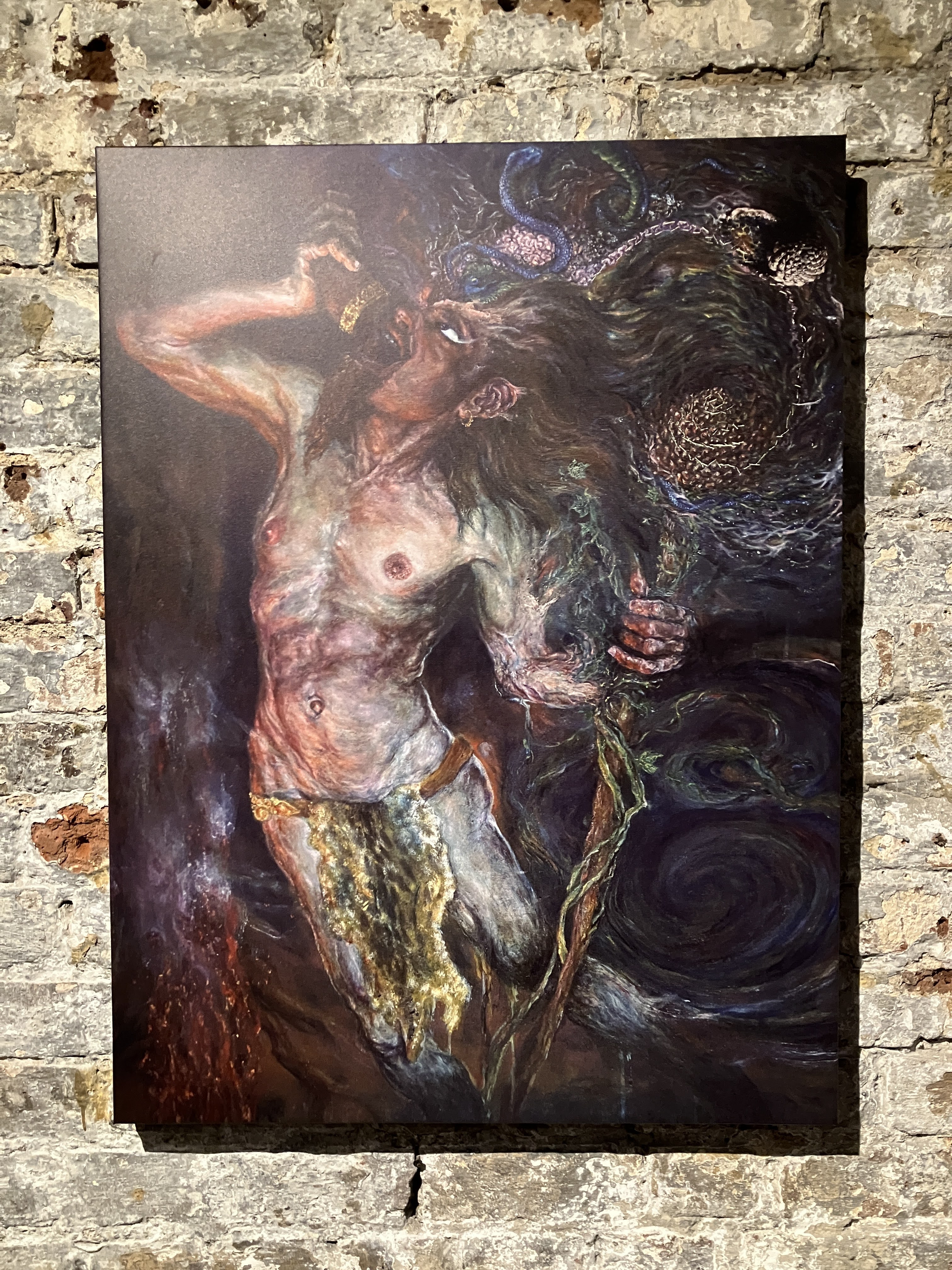
Orryelle Defenstrate-Bascule and Melissa Shemanna at the Crypt
Visitors to this page probably already know I am a huge fan of Oryelle and Melissa, whose work I admire and highly recommend. Fortunately, they made it to London to present a gorgeous exhibition at the atmospheric St Pancras Crypt Gallery. While I spent a wonderful evening there, enjoying the work and Orryelle’s performances, I was so busy I did not have an opportunity to write up the show. It was – as expected – glorious. Orryelle is a master of virtually everything – painting, sculpture, film, and performance. And he plays music. Melissa created and curated the show with delicacy and care. Her luminous paintings – with their meditations of birth, life, and death – fit perfectly in the gallery’s strange but resonant environment. As the exhibition invitation promised, it delivered:
An exhibition of original oil & tempera grassa paintings atmospherically lit on antique cavern like walls. Sculptures of clay, wood, bronze and dripping honeycomb are installed throughout the labyrinthine space, revealing the magic and mystery of natures sacred essence. Hanging poetry and inspiring prose written on paper and silken fabric -is an invitation to meander through a sensuous foray for contemplation. Projections of telluric images evocative of the mythic glyphs of our universal mother tongue, flicker on the walls of the earthen womb, taking you beyond time and space into the numinous dreaming, regenerative symbols and sigils revivify the font of Mnemosyne to remember what we have long forgotten. These sacred intentions brought to form and presented within a magical container, offer a precious way of relating to the living myth within us all.
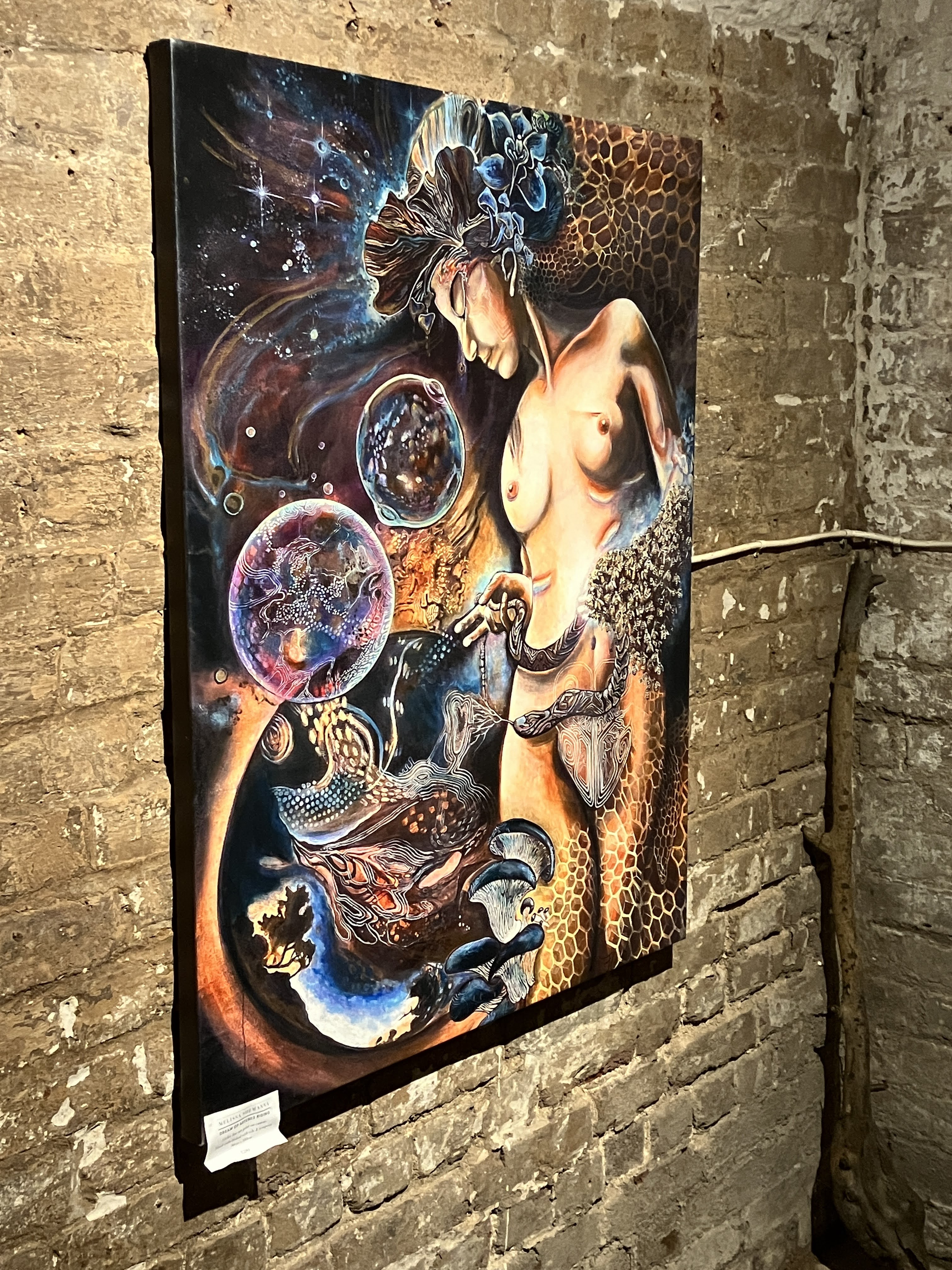
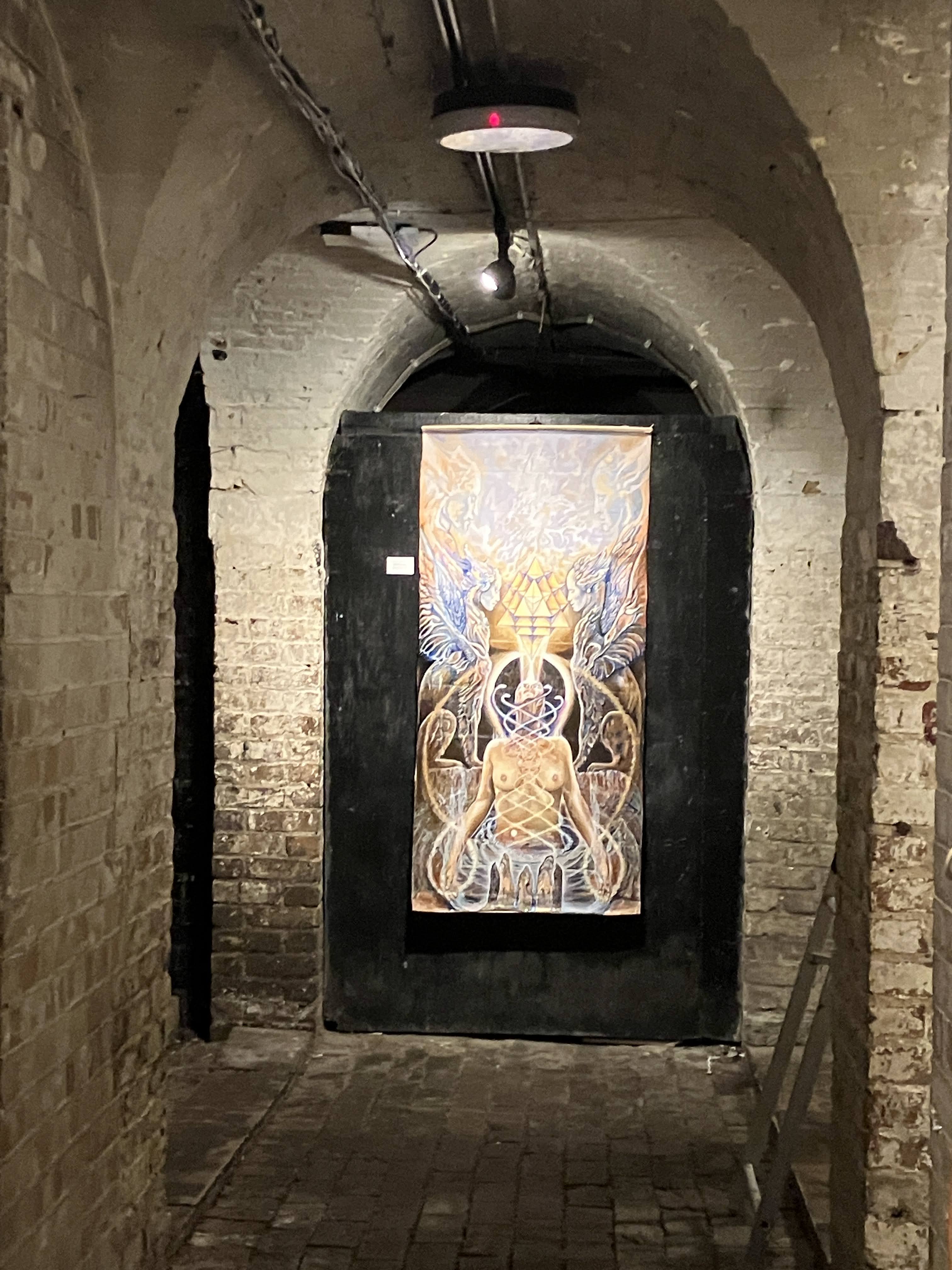
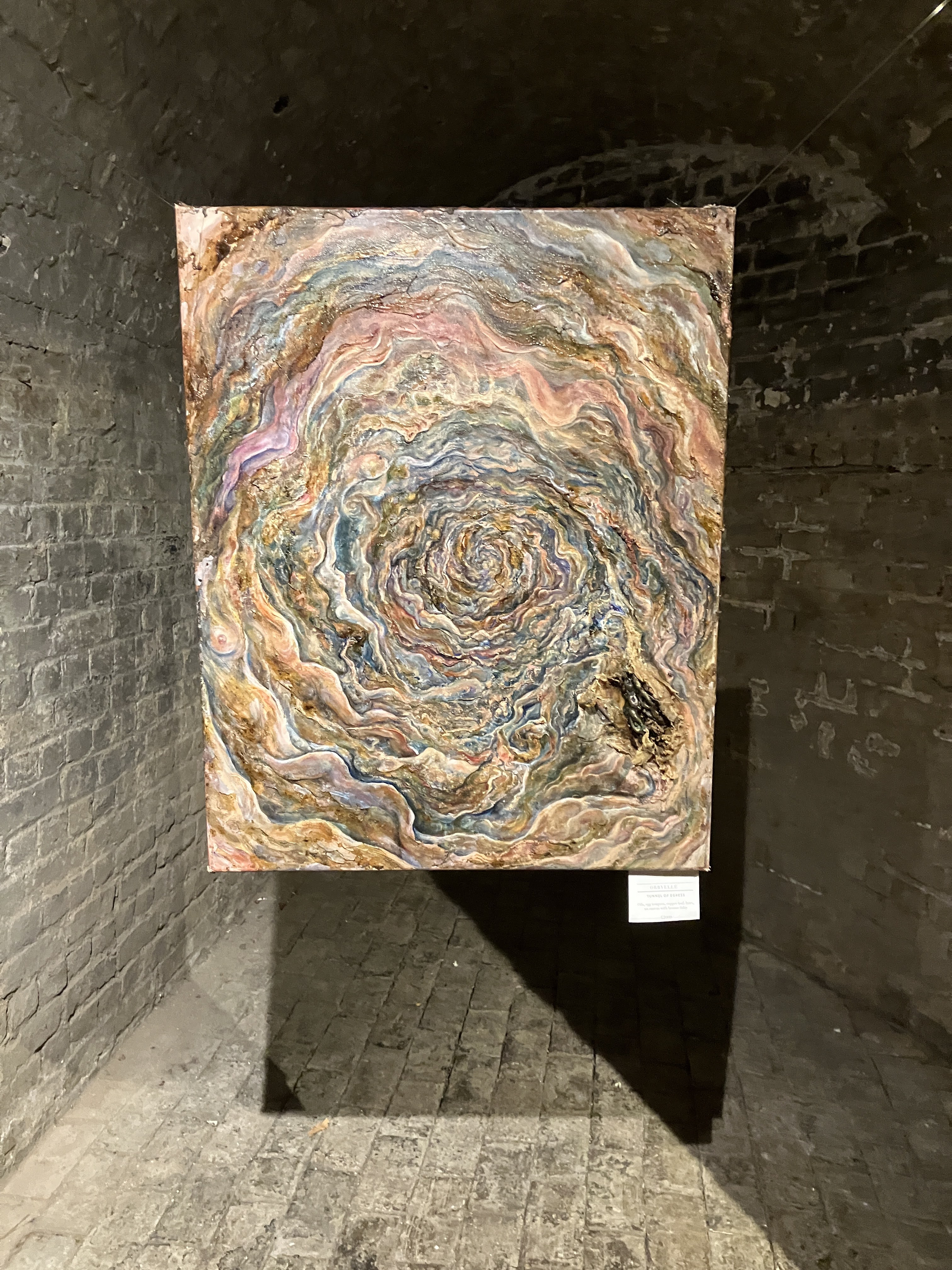
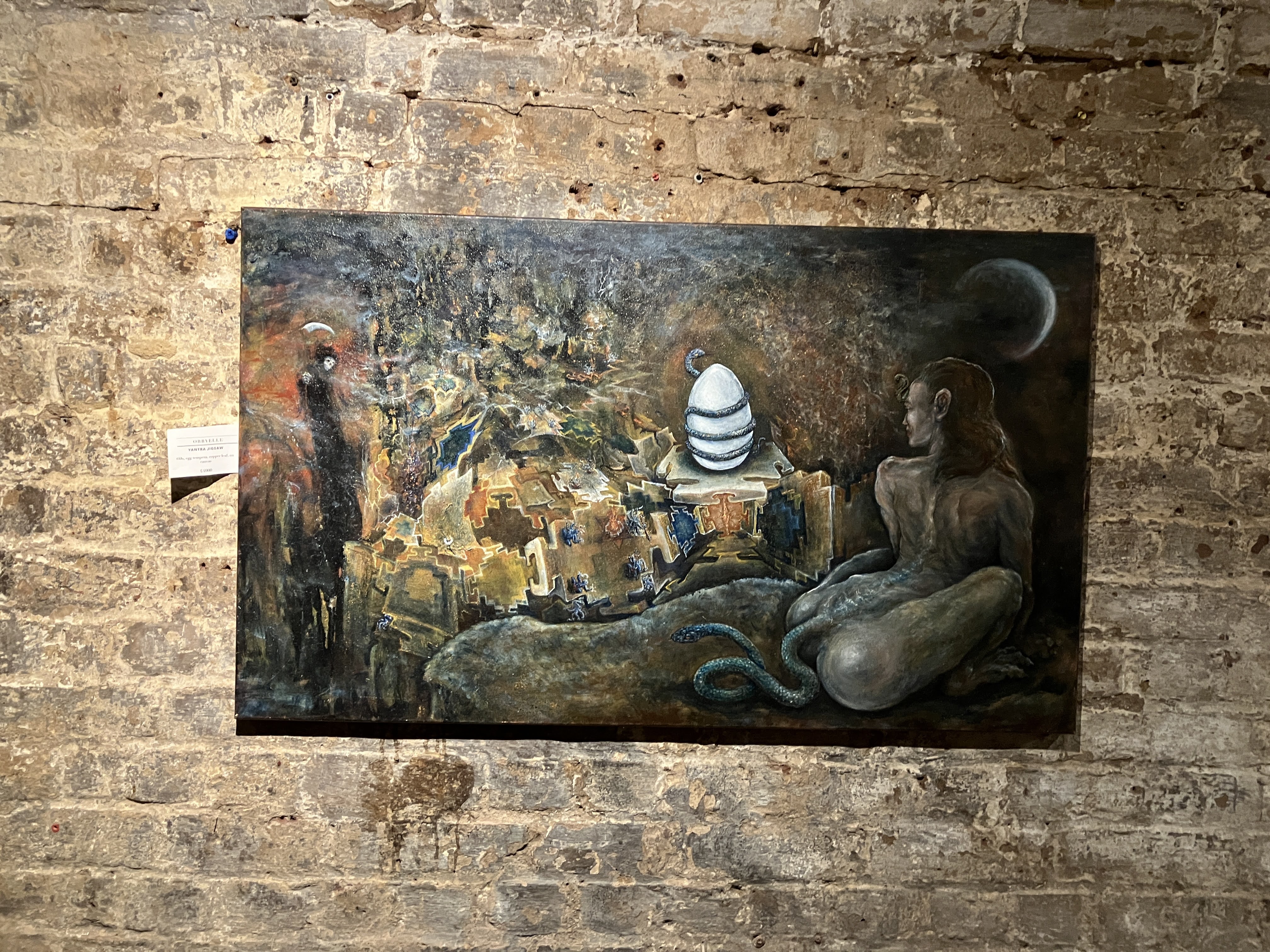
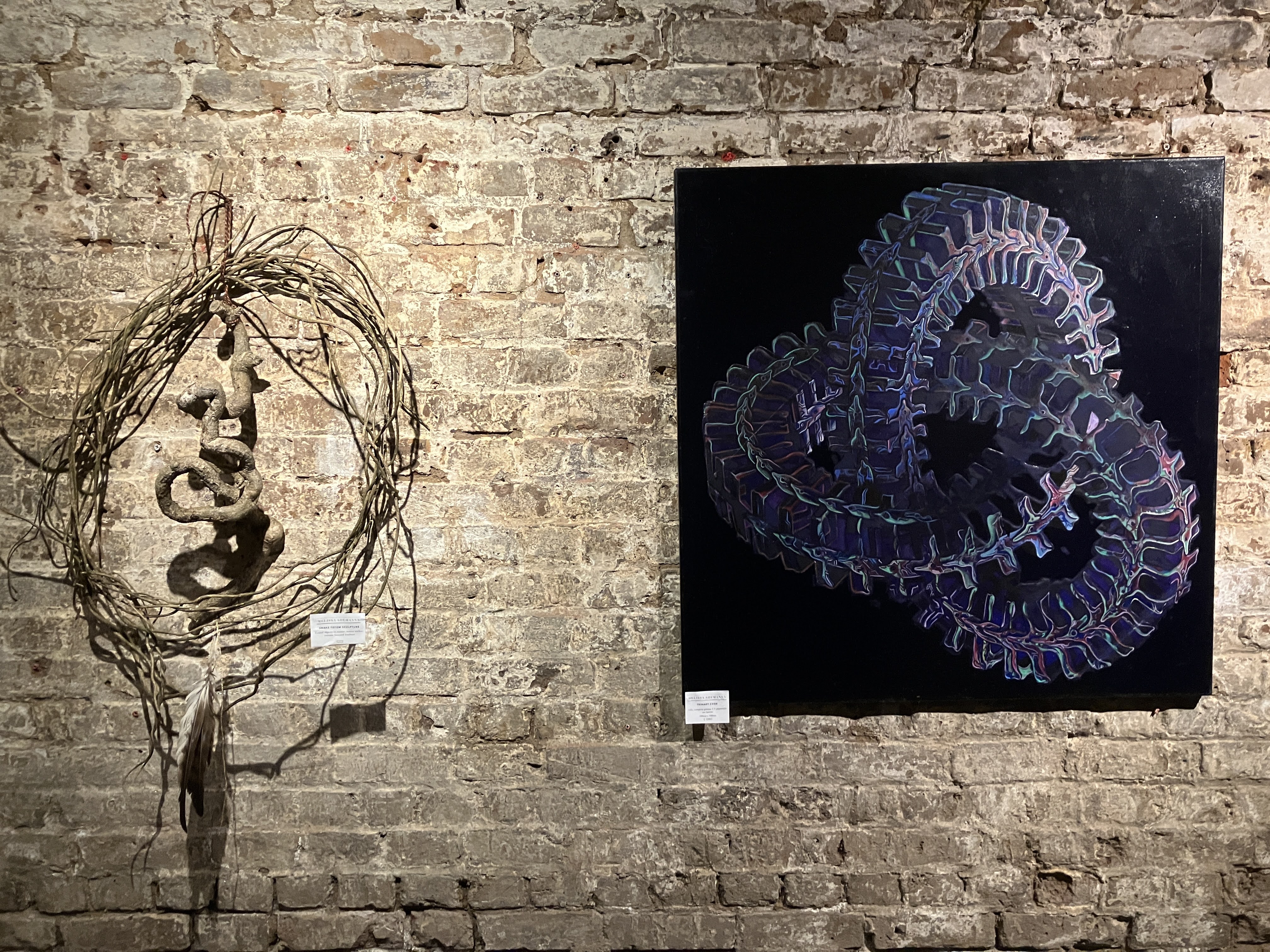
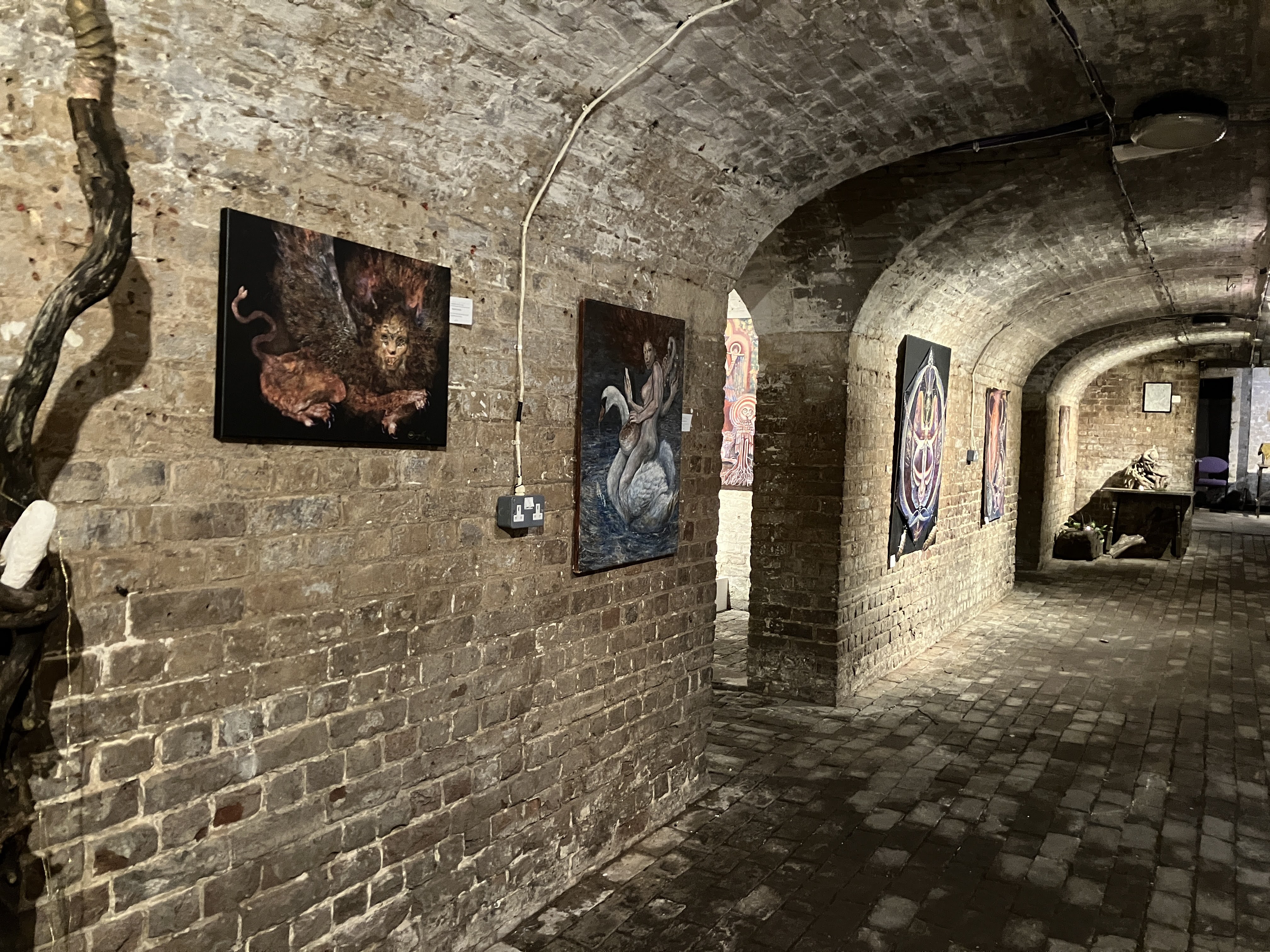
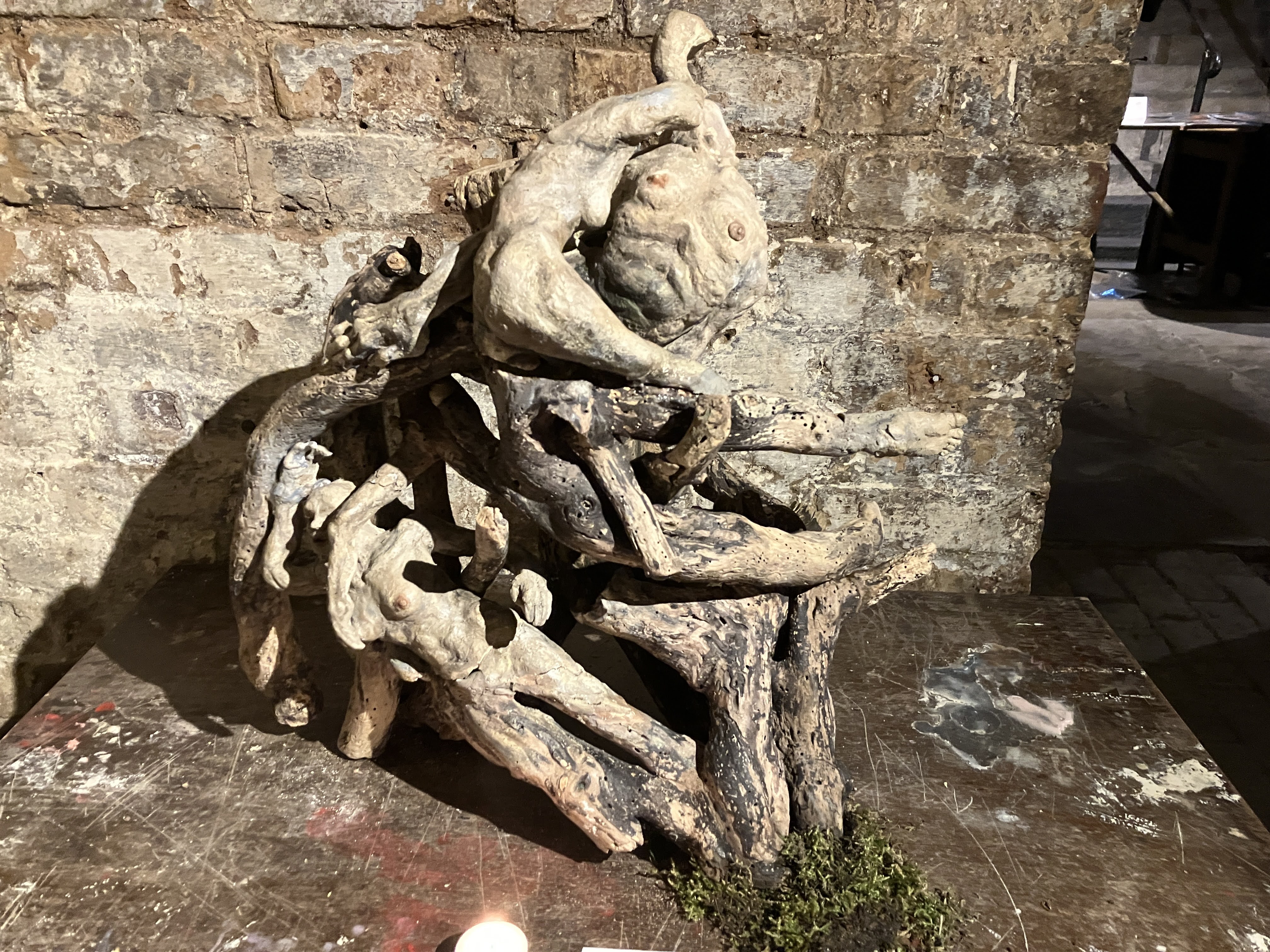
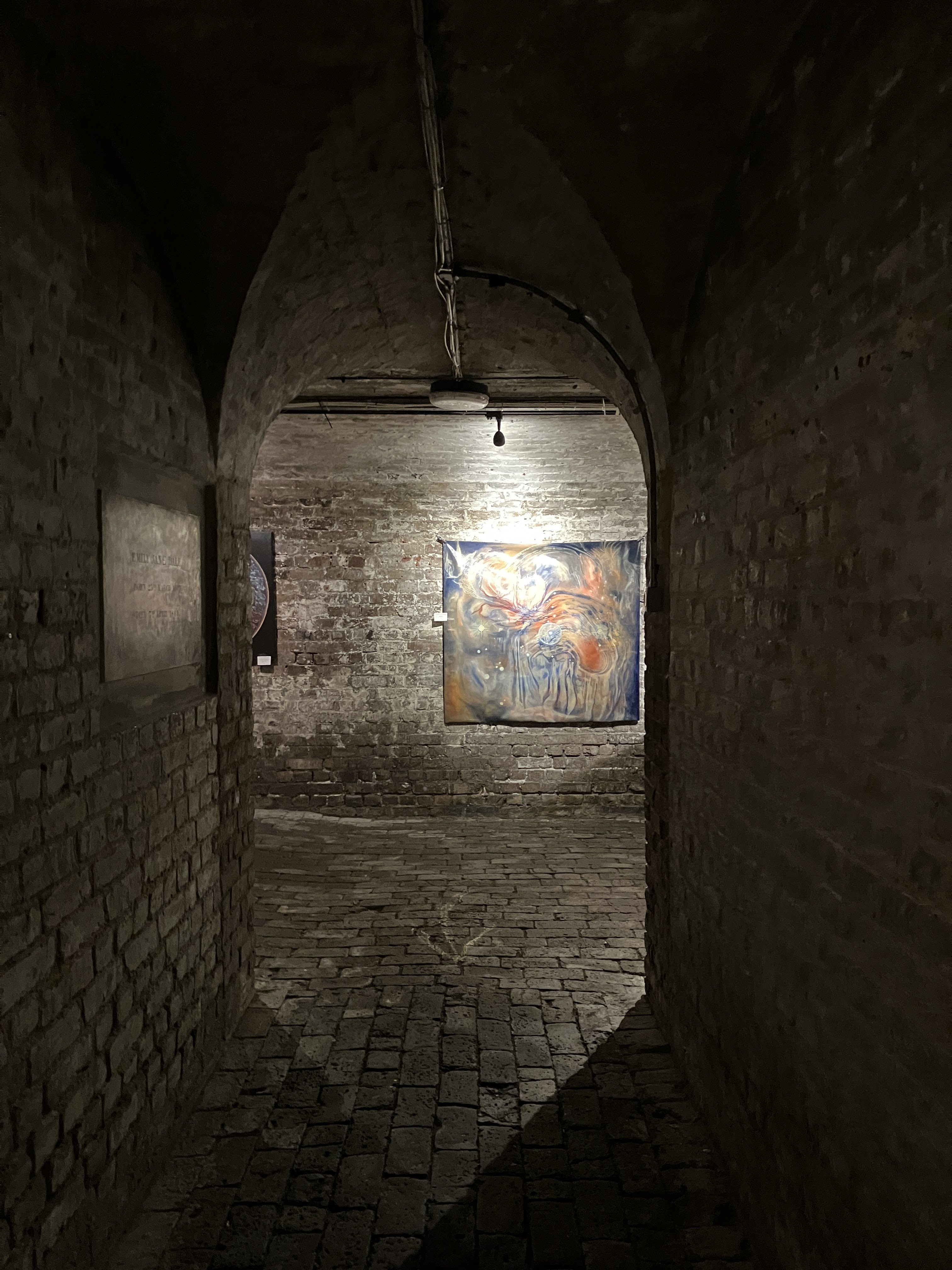
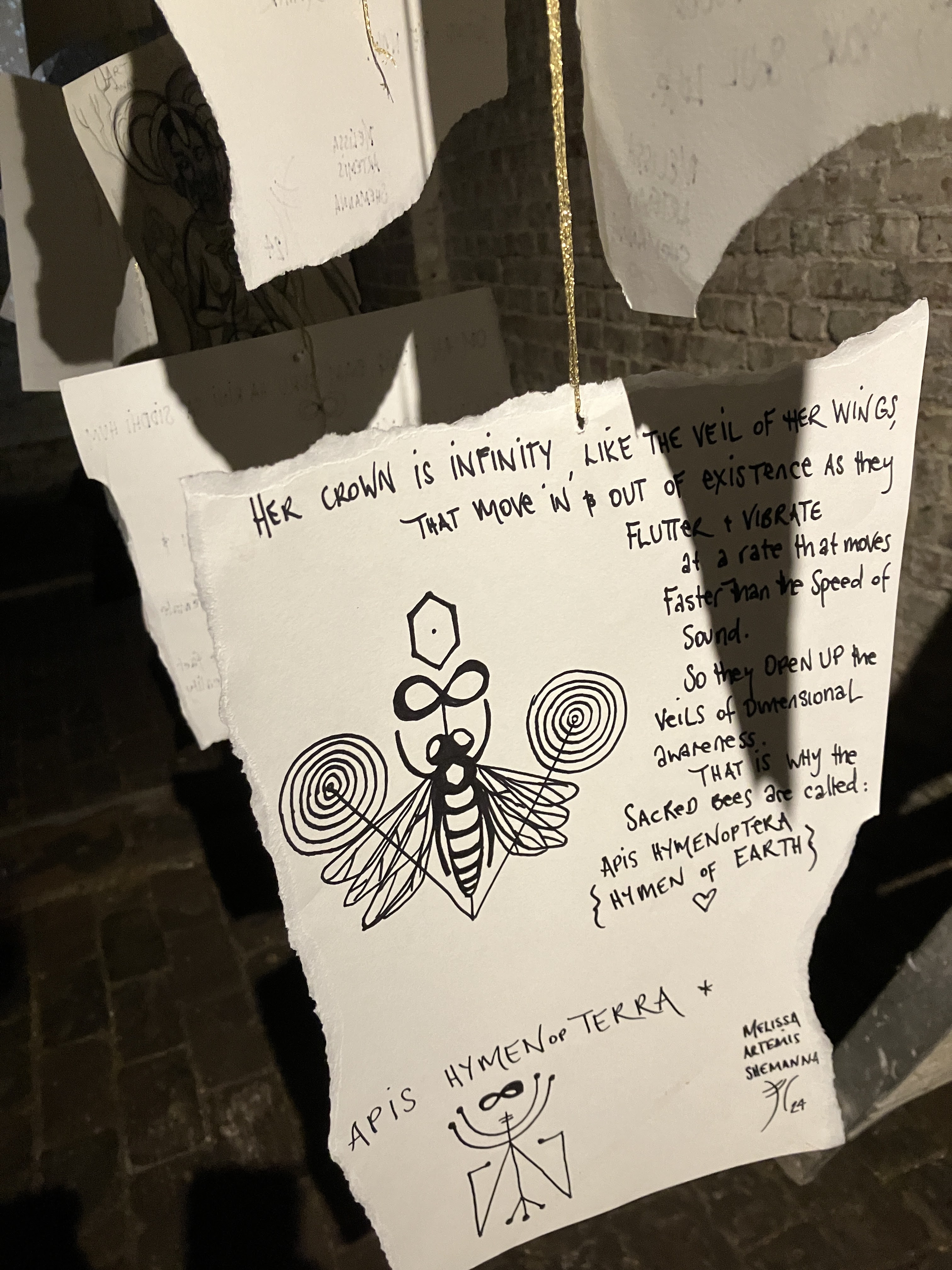
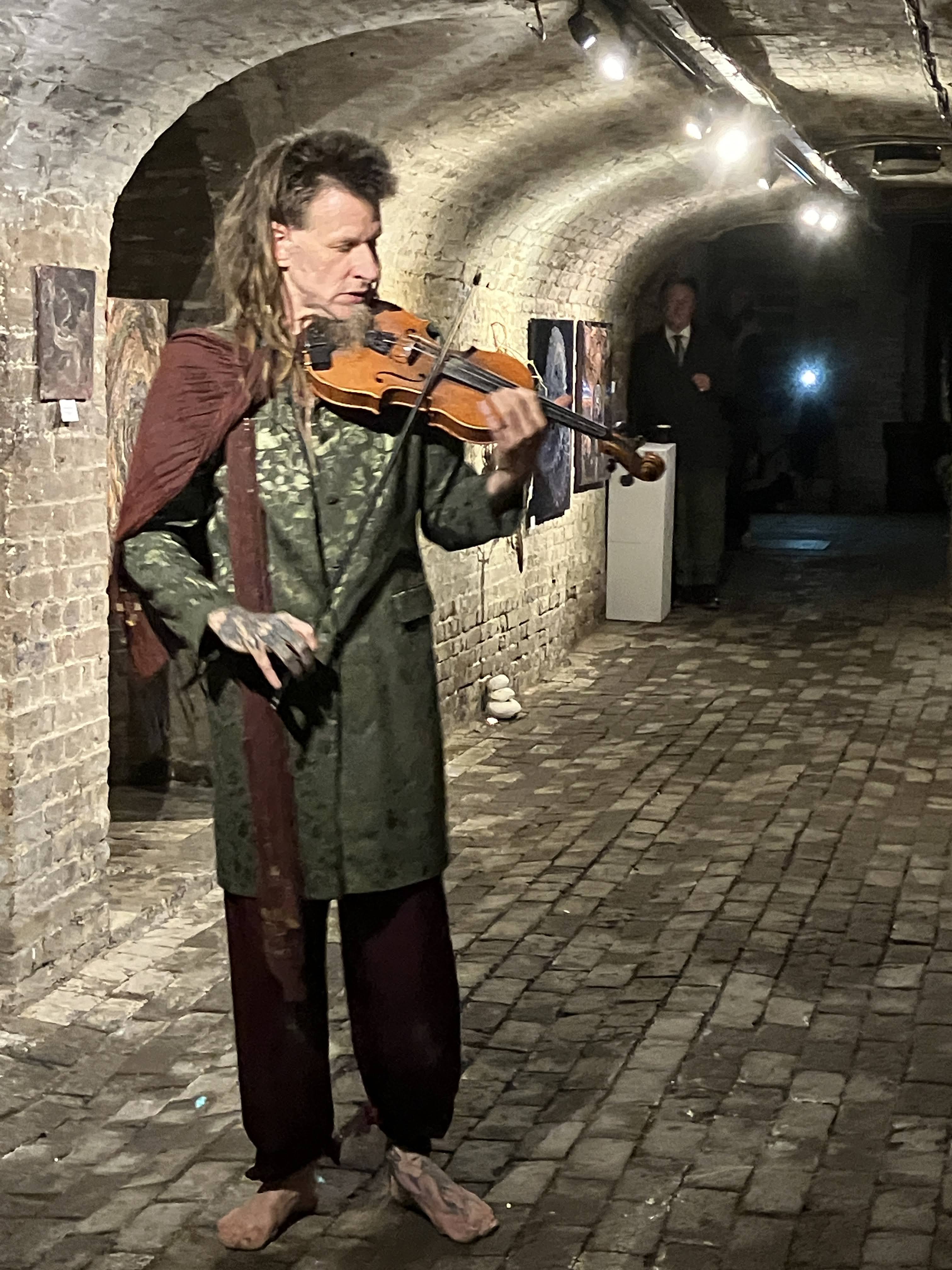

More about these incredible Australian born Europe based artists
THE BLAUE REITER – often imitated never bettered
Kandinsky, Münter and the Blue Rider at Tate Modern
Of the ‘big’ shows this year at the major London museums my clear favourite is this superb exploration of the Blue Rider group, the Munich-based collection of artists from everywhere and sundry that included the soon-to-be superstar Wassily Kandinsky. I won’t lie: Kandinsky has been a massive influence on me. I am just now preparing to teach a whole course on Kandisnky’s Concerning the Spiritual in Art. But the Blue Rider wasn’t just Kandinsky. I have always liked Franz Marc’s work, especialy the delightful cow.
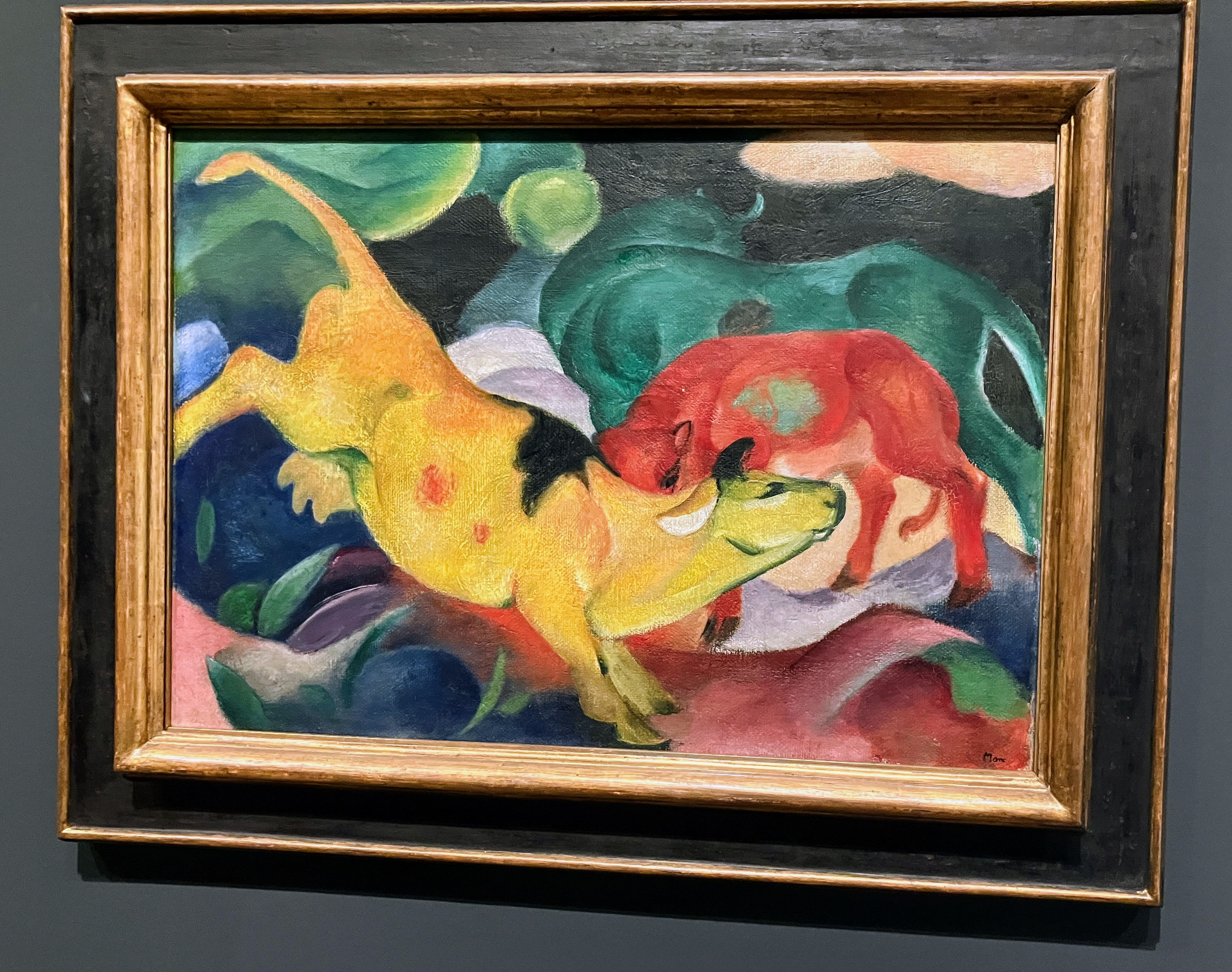
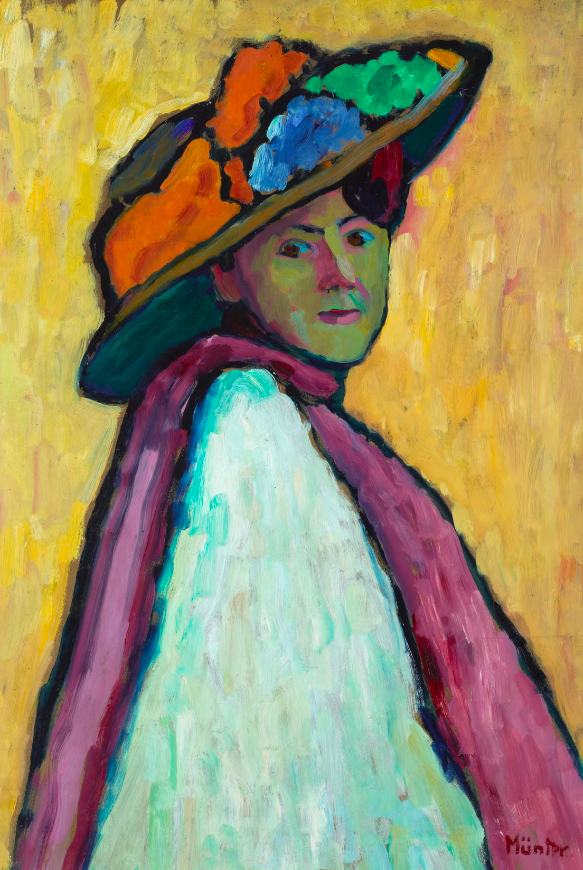
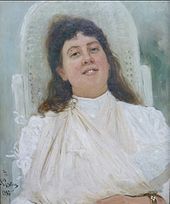
But despite owning a copy of the Blaue Reiter Almanac, I was less knowledgeable about Gabrielle Munter and Marianne Werefkin, two of the female artists in the group. The show brings them both to the forefront where they richly deserve to be, on a even footing with Wassily and Franz. No matter that art history sidestepped them a bit – they shine here. I particularly love Werefkin’s work. Munter’s vibrant portrait of her friend and fellow artist captures the alertness and charm she no doubt had. Ilya Repin’s earlier portrait (see below) does the same in a very different way. In her day, Werefkin was an important artist. A student of the great Repin, she made a mark on the Russian art scene before moving to Munich where she made contact with fellow Russian Kandinsky and then Marc and eventually joined with them in the Blaue Reiter. When the Great War broke out she had to flee to Switzerland where she participated in the Dada Cabaret Voltaire. But the end of the war and the Russian Revolution brought an end to Werefkin’s pension from her wealthy family. Not only that but her partner – artist Alexej von Jawlensky – left for her own lady’s maid. Suddenly impoverished and alone, Werefkin continued to paint. Living in Switzerland as a stateless person was not easy but in 1924 she formed another artist group Der Große Bär doing important exhibitions in Bern and later Berlin. She earned her living by painting posters and picture postcards and writing articles. The ‘Russian’ qualities of her work, which remained largely figurative, can be seen in her use of color – something she has in common with Kandinsky and Marc and her compatriot Natasha Goncharova.
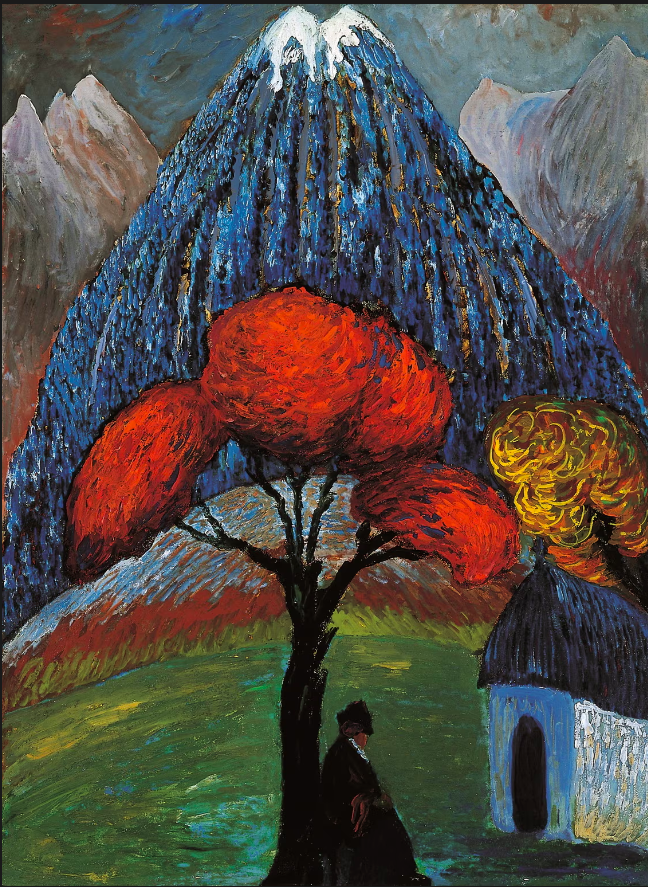
I have been looking for any recently published English-language book on Russian women artists from the 19th and 20th centuries and can’t find one. This book needs to be written. Unfortunately, my grasp of Russian (which is not zero, but definitely not research-worthy) does not stretch to that level of research. In my opinion, the emergence of Russia as an internationally significant artistic nation in the early 19th century is one of the great stories in the history of the arts. This exhibition makes a great contribution to the tale.
 THE ART TRAVELLER
You must be logged in to post a comment.