“Humanity is living through a period of unprecedented transformation. The old paradigms arecrumbling, and we have been catapulted into a stage of not knowing. Here, we face a choice: to return to the familiar for a sense of stability and certainty, or to have the courage to sit with the unknown, to navigate its waters until we find ourselves on a new shore.
From this shared resonance, Liminal Matters was born, an arts-based collective exploring the unknown through the creative process. The pieces you see in this exhibition act as talismanic objects, created deep within our personal rites of passage.”
– Natasha Redina, group founder and co-curator
It’s not really common that I would review an exhibition that I curated but on the other hand the rules are being constantly broken and rewritten so what I’m going to do is, instead of reviewing it I will just present the exhibition as I did to the various visitors that came to the gallery.
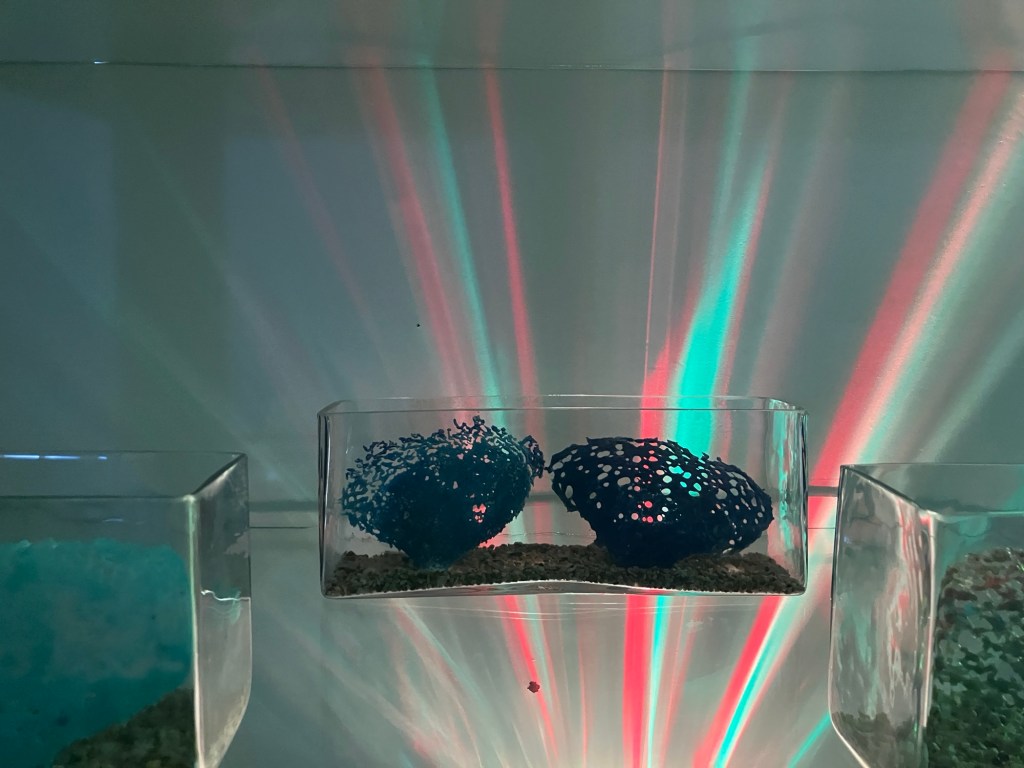
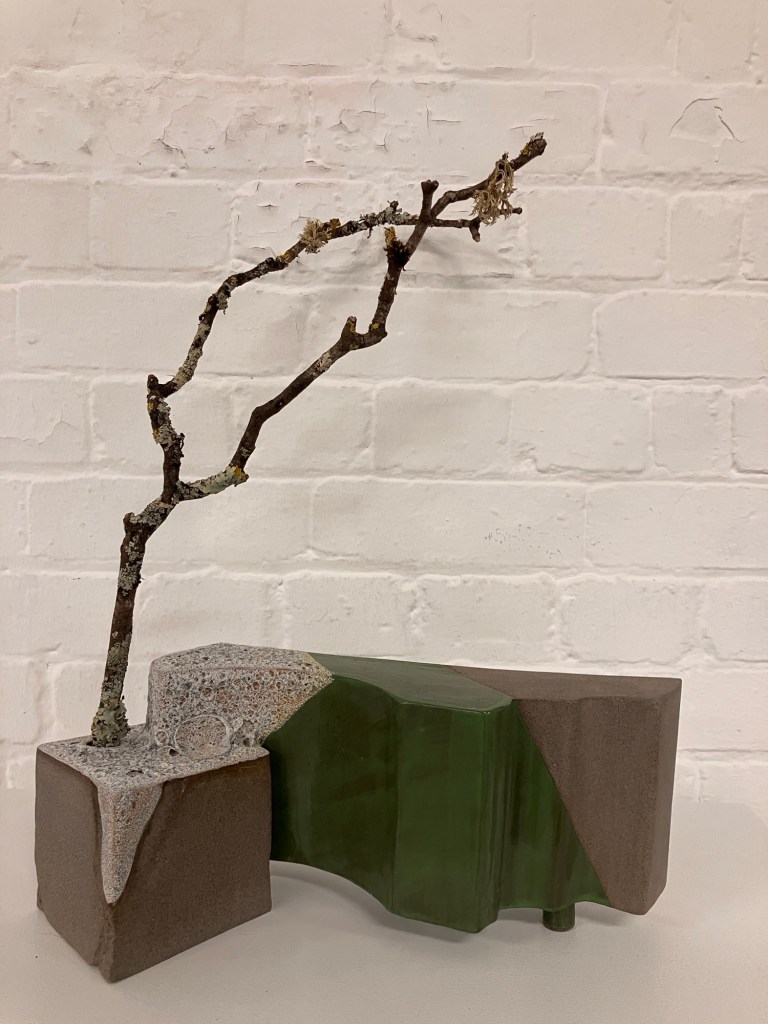
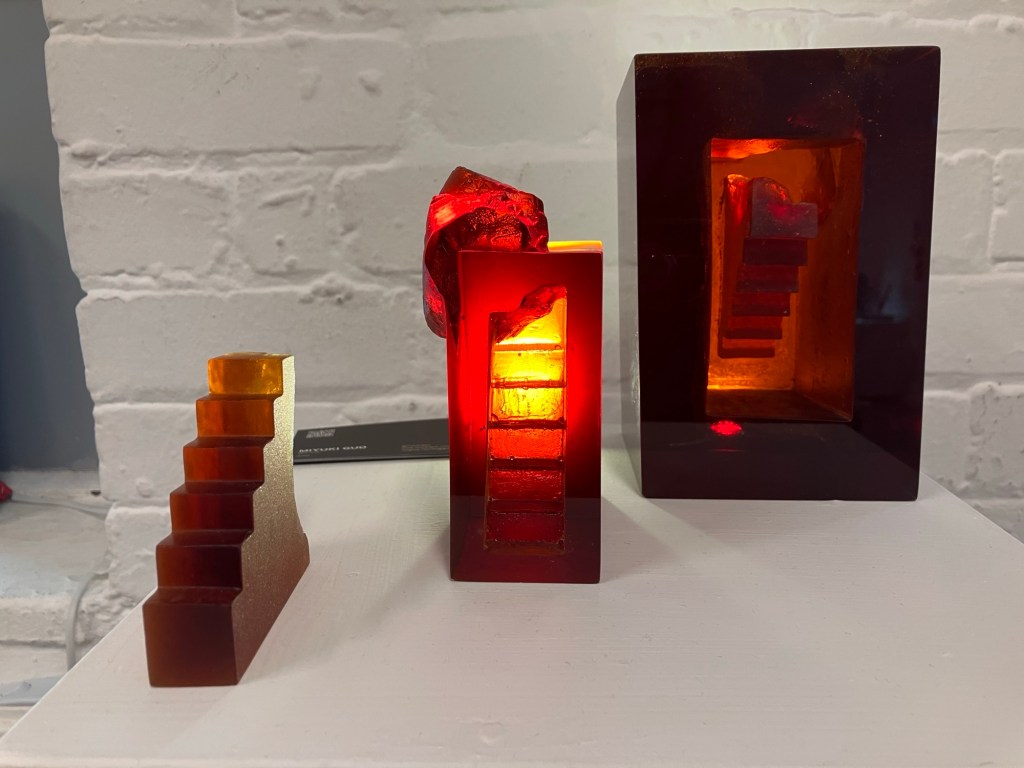
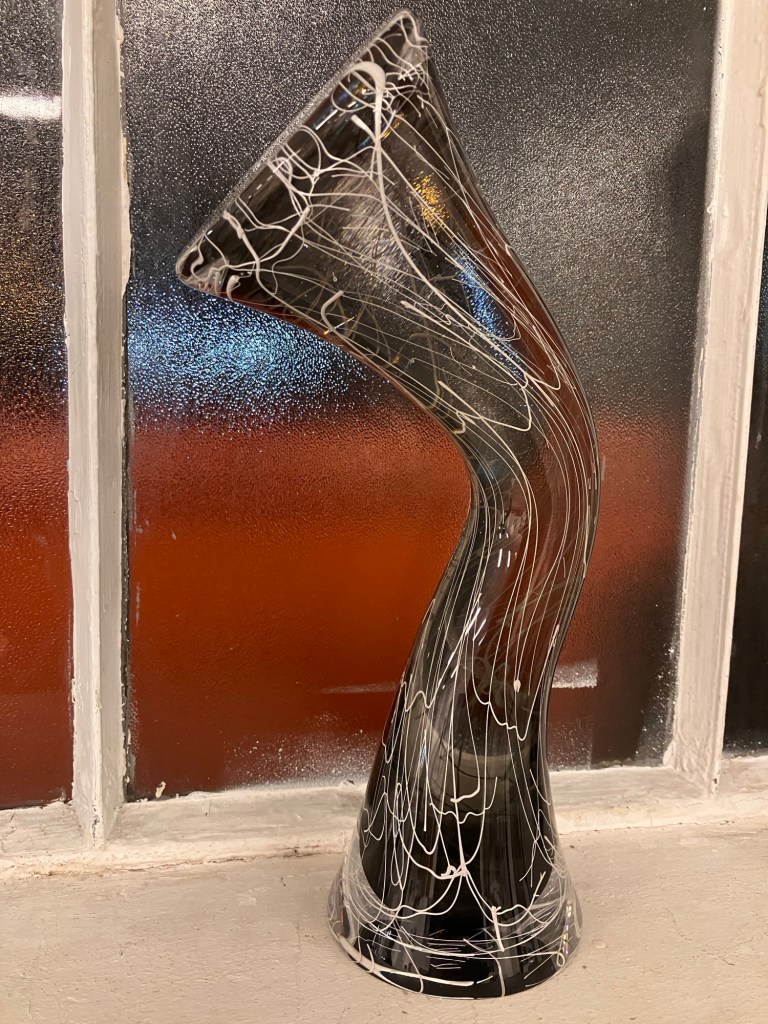
Liminal Matters is a dynamic new collective of artists, designers, and craftspeople united by a material-led practice. Through a shared interest in exploring material transformation and the perceptual thresholds between states, the collective pushes boundaries and blurs the line between the tangible and the intangible. Their work spans a diverse range of media—including ceramics, glass, metal, plaster, textiles, paint and hybrid forms—to examine the interplay between light, form, and the elusive qualities of liminality, both as subject and process.
I was invited by the groups, founder and creator to come in as a guest curator for their first group show . also invited a number of guest artists who are more established to present their work, which is quite different and provides some interesting relationships with the groups work.
This timely exhibition offered an essential meditation on materiality, transition, and renewal. The works in the show probe themes as rich and varied as ancient history, social and emotional otherness, trauma, sensuality, the body, the natural world and the home. What unites these artists is a robust sense of innovation: each member acknowledges and, in many cases, implements, traditional craft techniques with contemporary, future-facing ideas and presentations.
Techniques and Media
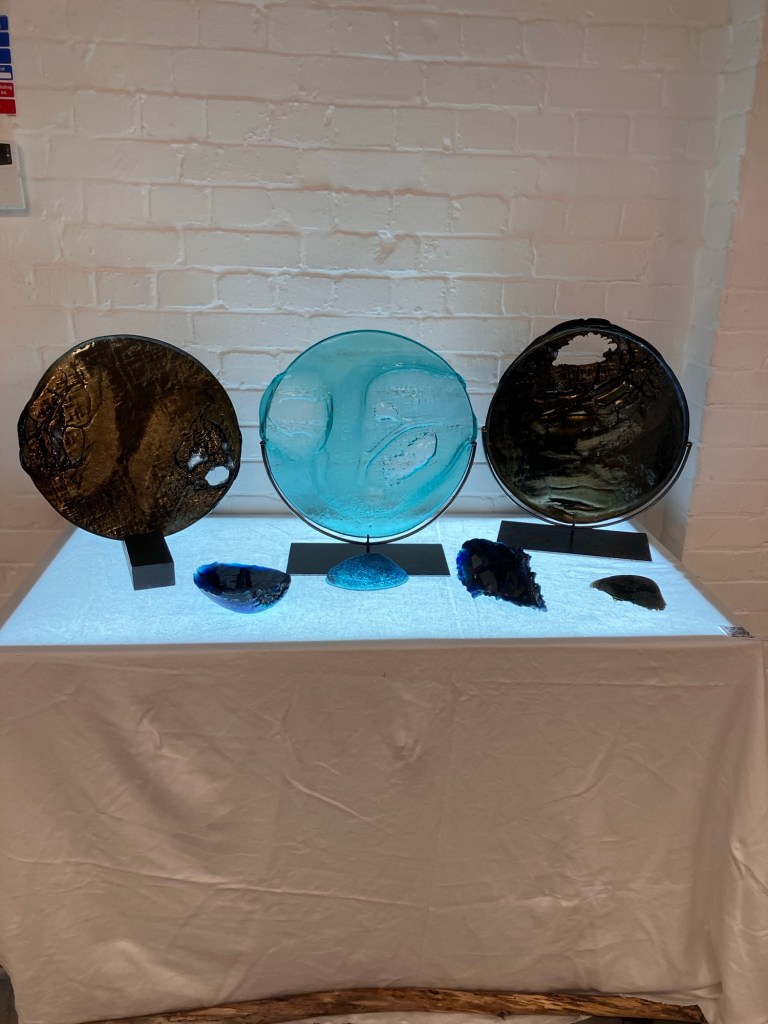
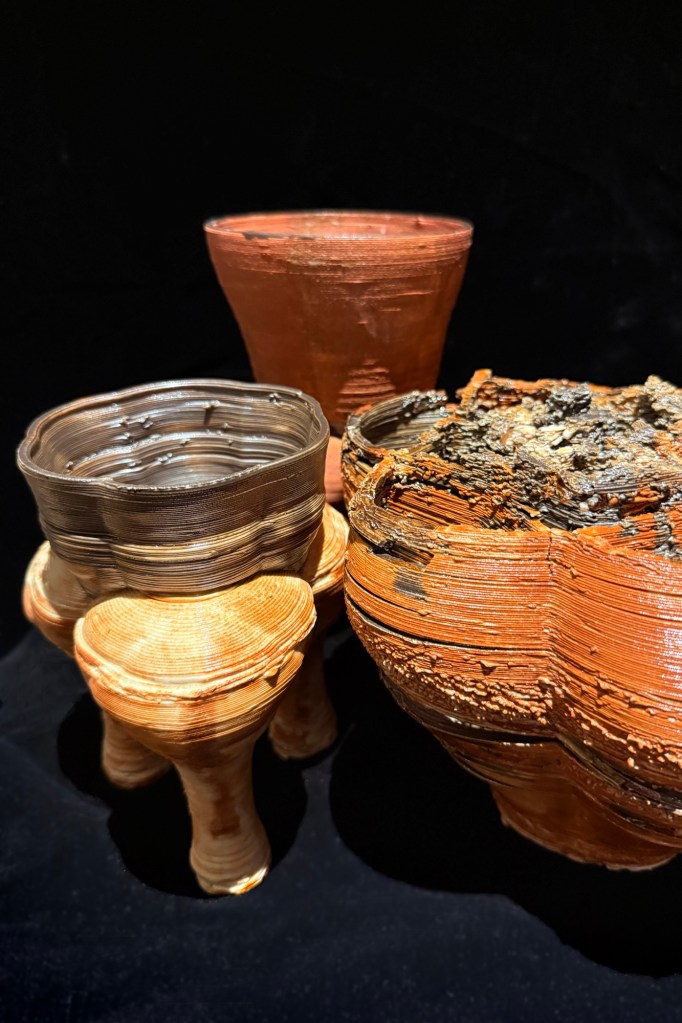
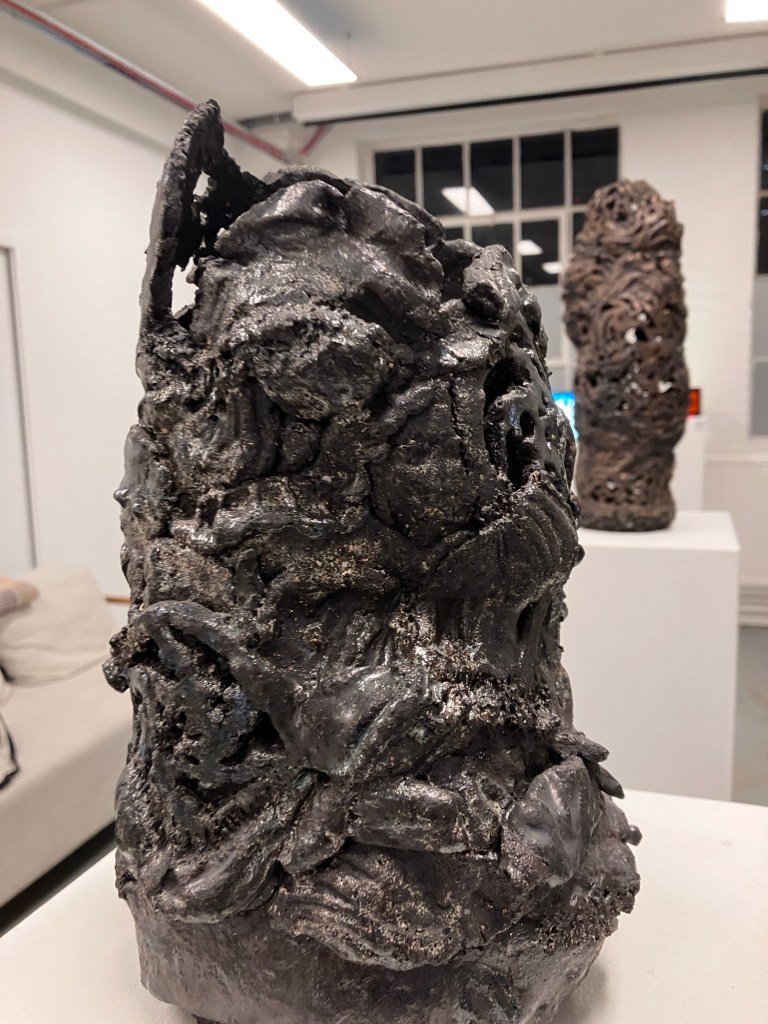
Within the collective, practitioners employ an impressive spectrum of techniques and materials that reflect their commitment to both tradition and innovation. The reflective and transparent qualities of glasswork are explored through methods ranging from blowing and staining to carving and casting. Ceramics are explored in all their possibilities, including handbuilt, slip-cast, and wheel-thrown approaches that honour both the sculptural and functional qualities of the medium. Plaster is shaped through mould-making and sculptural processes, resulting in both decorative and structural forms. The collective’s expertise extends into metalwork and the exploration of new materials such as silicone and variform, embracing the possibilities offered by contemporary substances. No process is dismissed: 3D printing, laser etching, film and virtual reality sculpture push the boundaries of their material explorations. This diversity of methods fosters a vibrant inter-material dialogue, creating an environment where the history of craft meets the future of artistic possibility.
Inspirations and Concepts
The collective draws inspiration from poetry, cinema, philosophy, the materiality of language, and the natural world. By playing with juxtapositions and exploring liminal spaces, the artists create work that is at once modern and resonant with the past. The atmosphere of traditional craft is ever-present, yet the artworks remain relevant and contemporary.
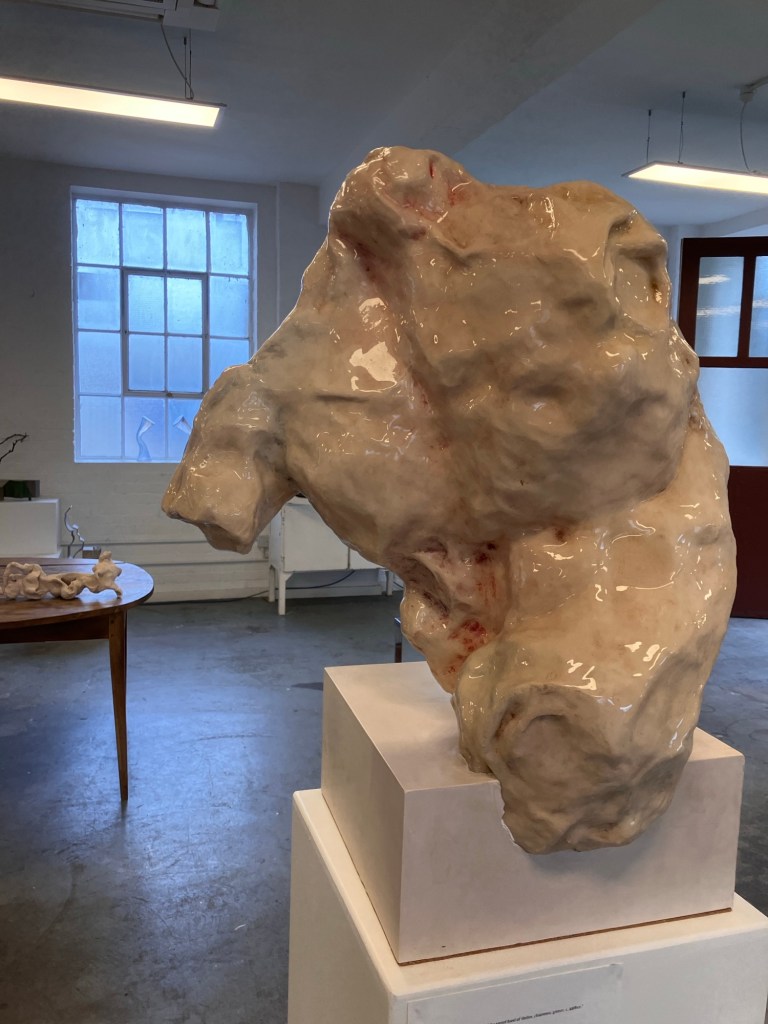
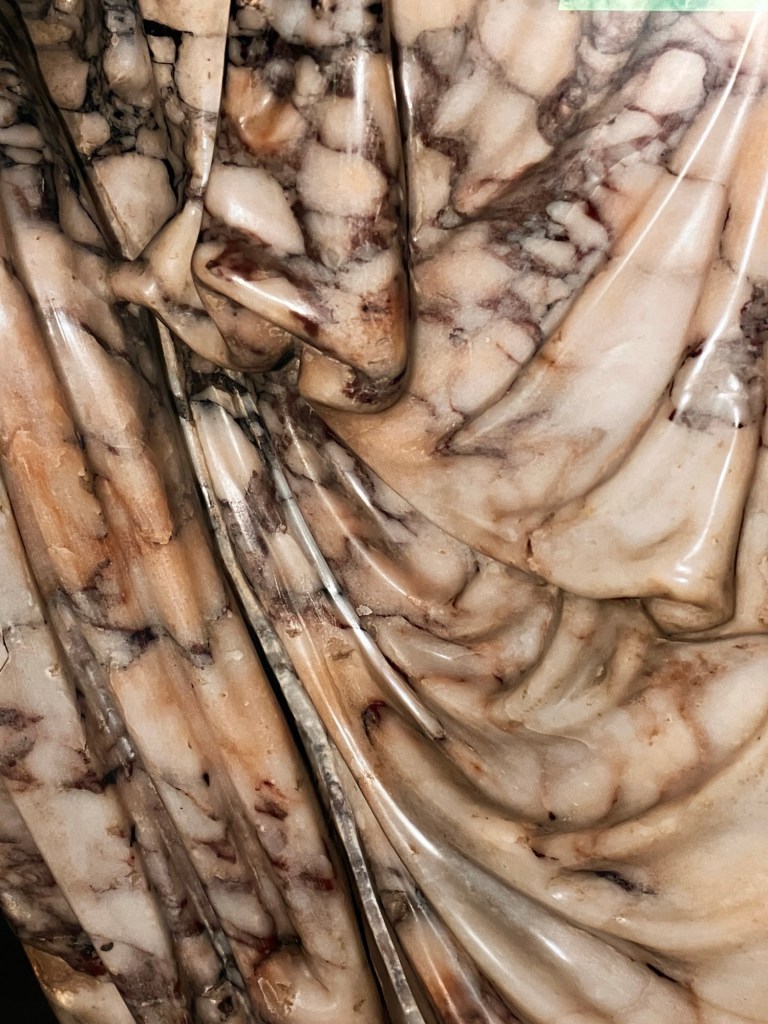
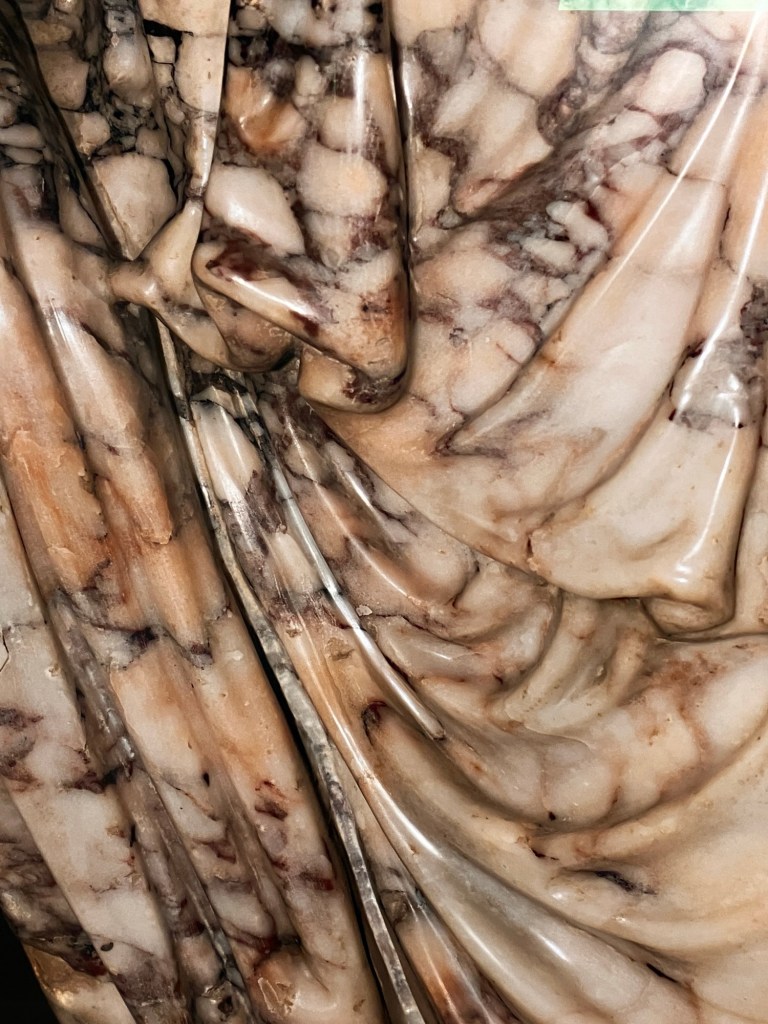
Jota, for example, blurs the boundaries between flesh and stone with life-size statues inspired by—and sometimes directly referencing—artefacts housed in institutions such as the British Museum and the Cast Court. These works, which resemble both ruins and living forms, prompt viewers to reconsider the very notion of the artefact, making history feel present and alive. Natasha Redina’s glass practice explores the space between consciousness and the unconscious, working with light and glass to create immersive experiences. Mae Mougin’s work channels the movement and mutability of the natural world in ceramic and glass.


The artists of the collective are all graduates of the Royal College of Art. The members exhibiting at Woodseer Gallery are: Andie Haycock,Nikki Holy, Lisa Hellrup, Anna Butler, Emma Sproat, Kurt Lyons,Mae Mougin, Zixuan Zhang, Chien-Jui Huang (Ray), Dean Hollowood, Natasha Redina, Harshena Kapoor, jota, Viviane Hayeong, Leah Jelf, Miyuki Guo, Mar Villegas, Zoë Scutts.
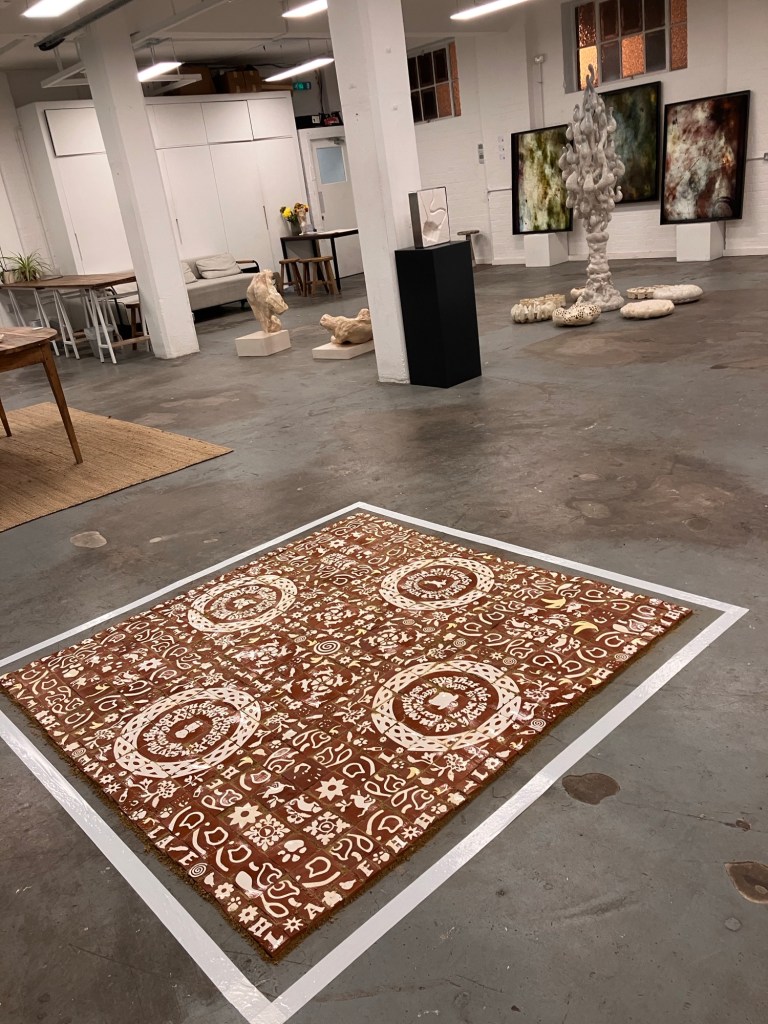








Curator and Guest Artists
The exhibition is curated by Gillian McIver, whose vision joins together the varied practices of the collective. Additionally, four distinguished guest artists have been invited to participate alongside the collective:
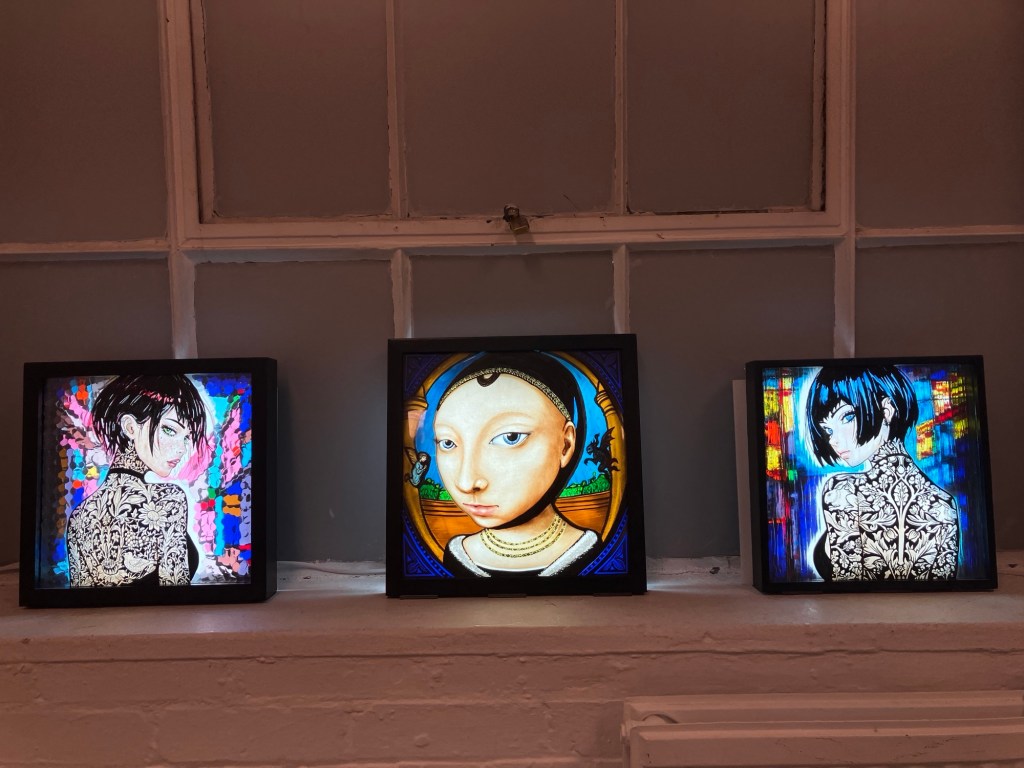
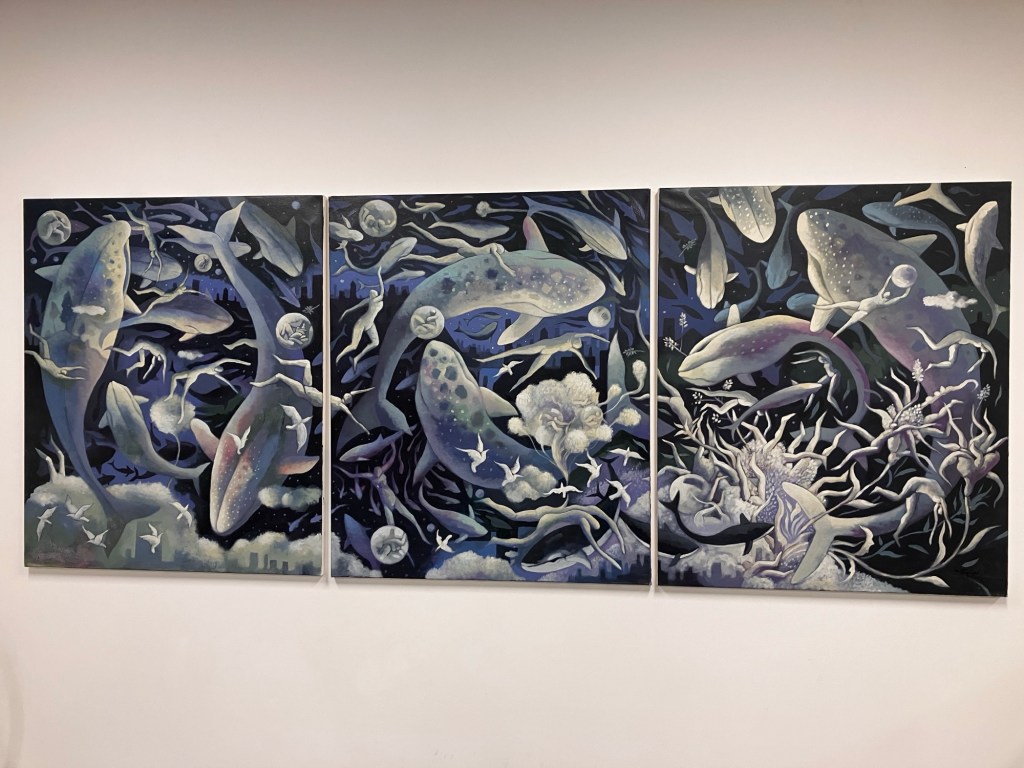
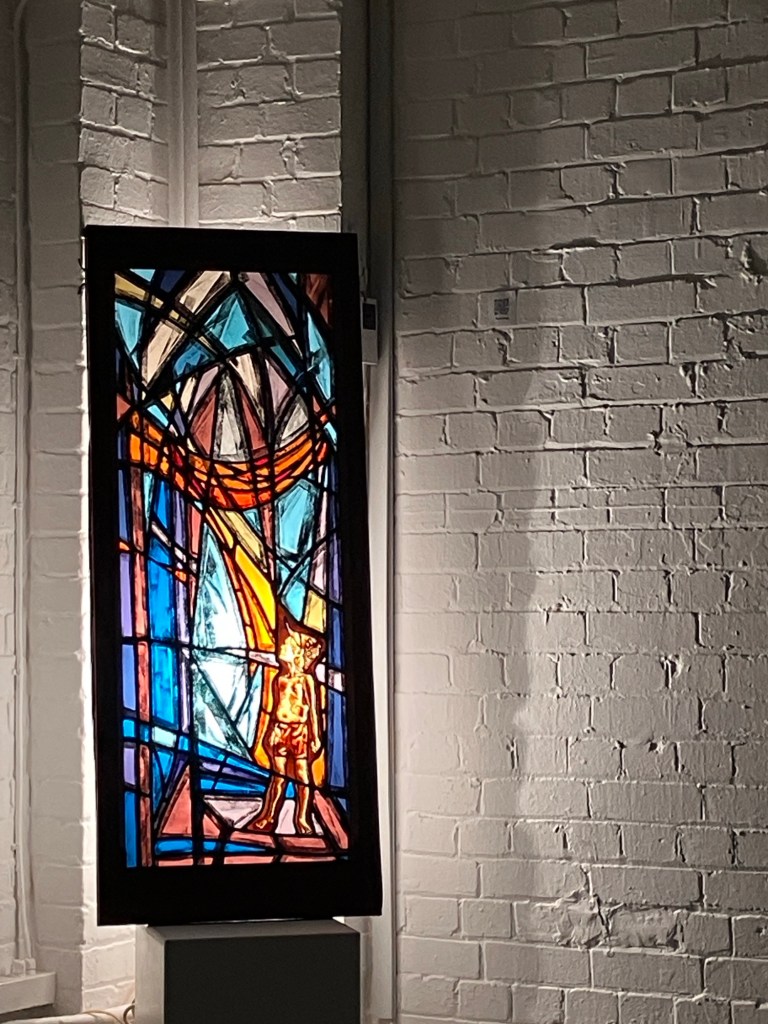
Santo Previtera employs a spontaneous approach to painting, transferring onto canvas the visual impressions he derives from his observations of nature. The sun-drenched landscapes presented here inhabit a perceptual space that oscillates between abstraction and realism. Nazir Tanbouli’s compositions originate from his imagination; in this exhibition, he unveils a sublime and enigmatic underwater world, inspired by the renowned Valley of the Whales in Fayyum. Stained glass artist Piotr Frac, meanwhile, engages with tradition by devising designs that draw upon the longstanding heritage of stained glass, yet are distinctly contemporary in their execution. Photographer Lucy Sparks is guided by an intuitive yet critical approach. Her lens lingers on minute details and visceral textures, harnessing the visual language of luxury, fashion and advertising to uncanny effect.

@liminal_matters
 THE ART TRAVELLER
You must be logged in to post a comment.