The Museum of ceramics in the beautiful Spanish city of Valencia is an incredible building both inside and out
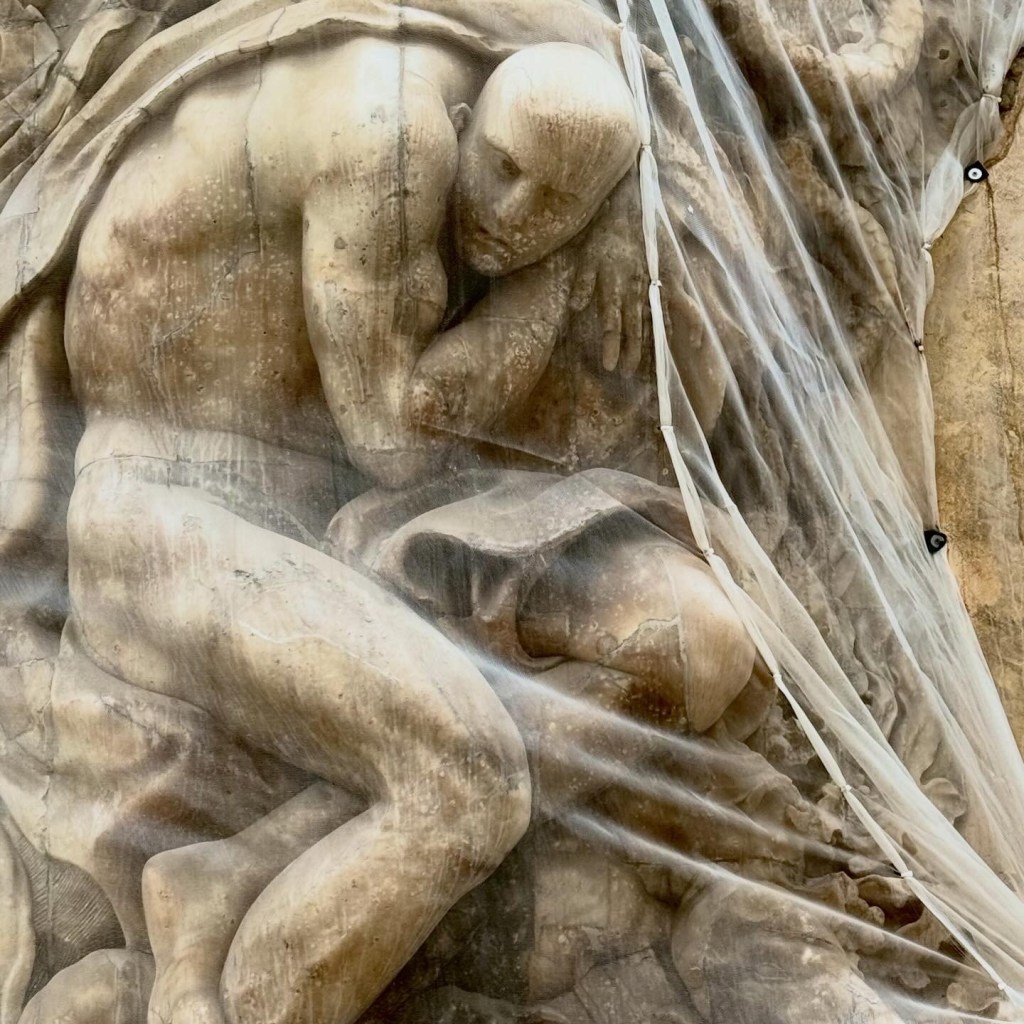
It is a historic home which was turned into a museum in the 1950s
The exterior dates back to the 15th century and has been remodelled and restored many times since then
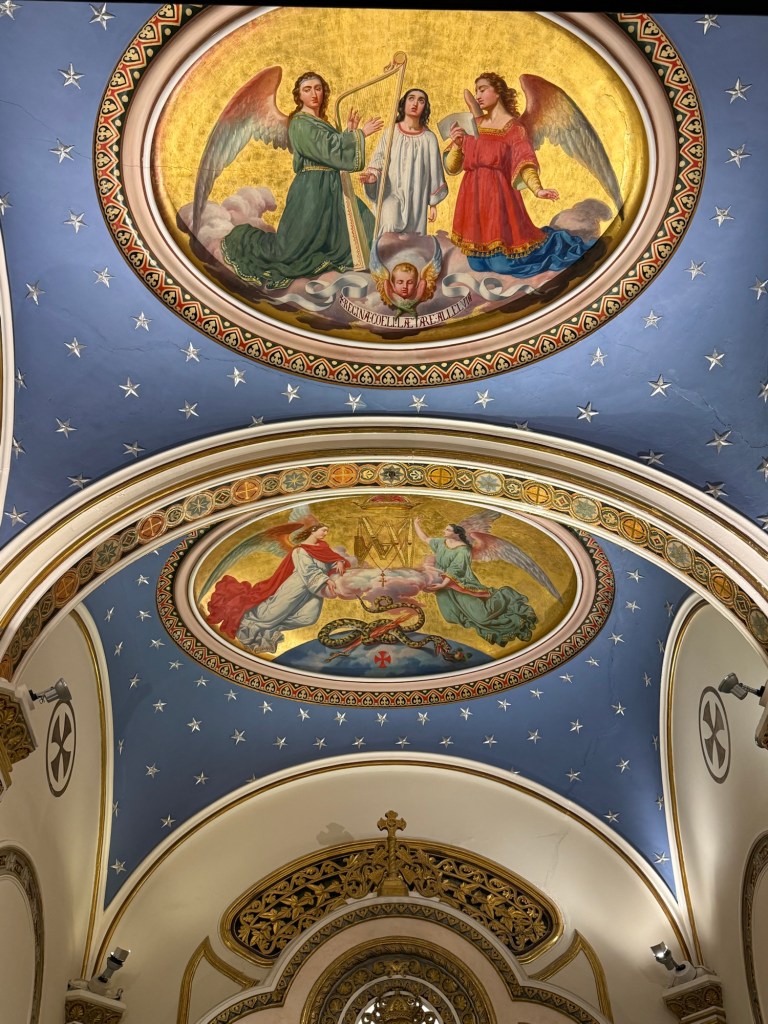
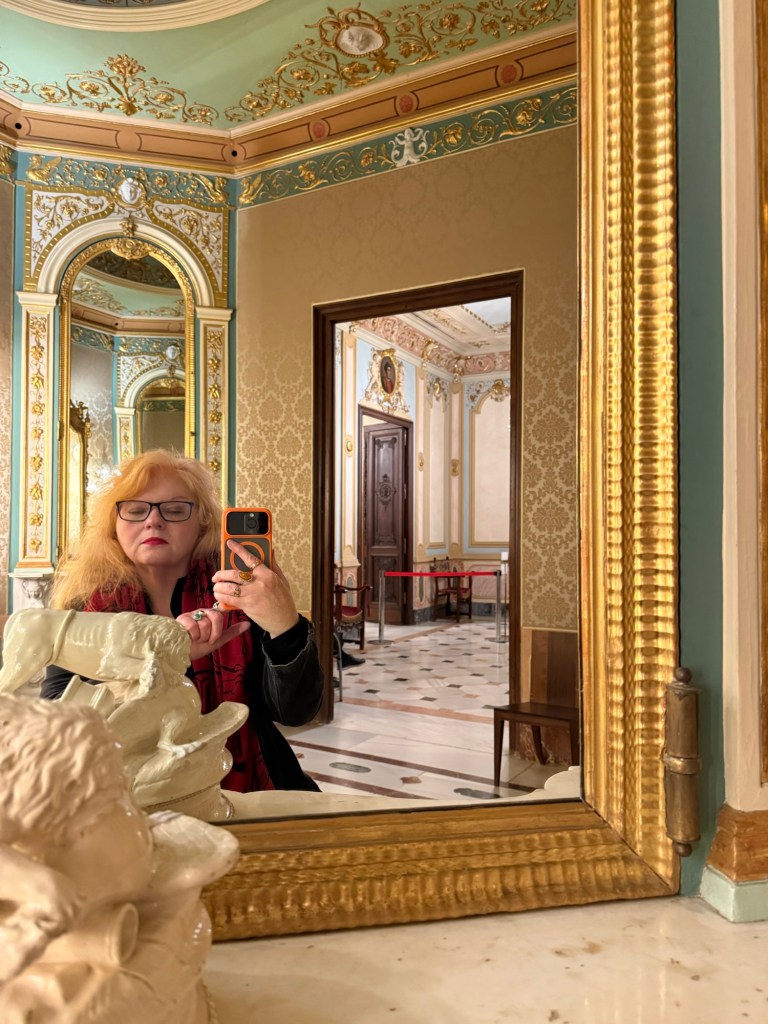
The same with the interior, but you still get a sense of the size and shape of the rooms despite many different iterations of the interior decor
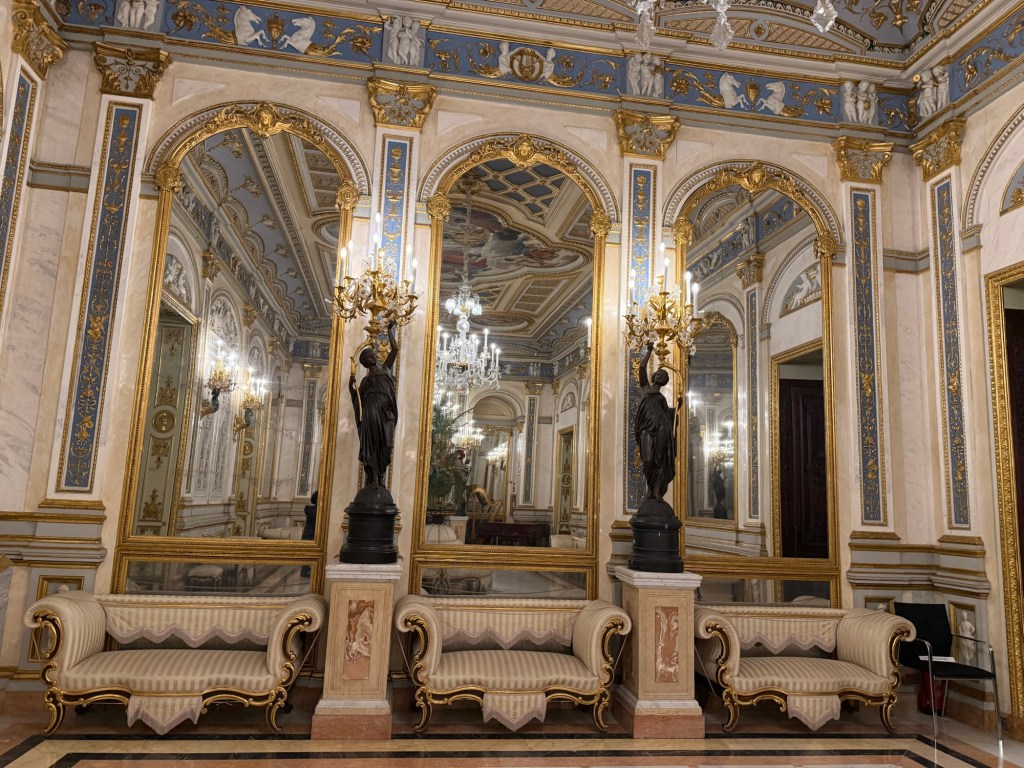
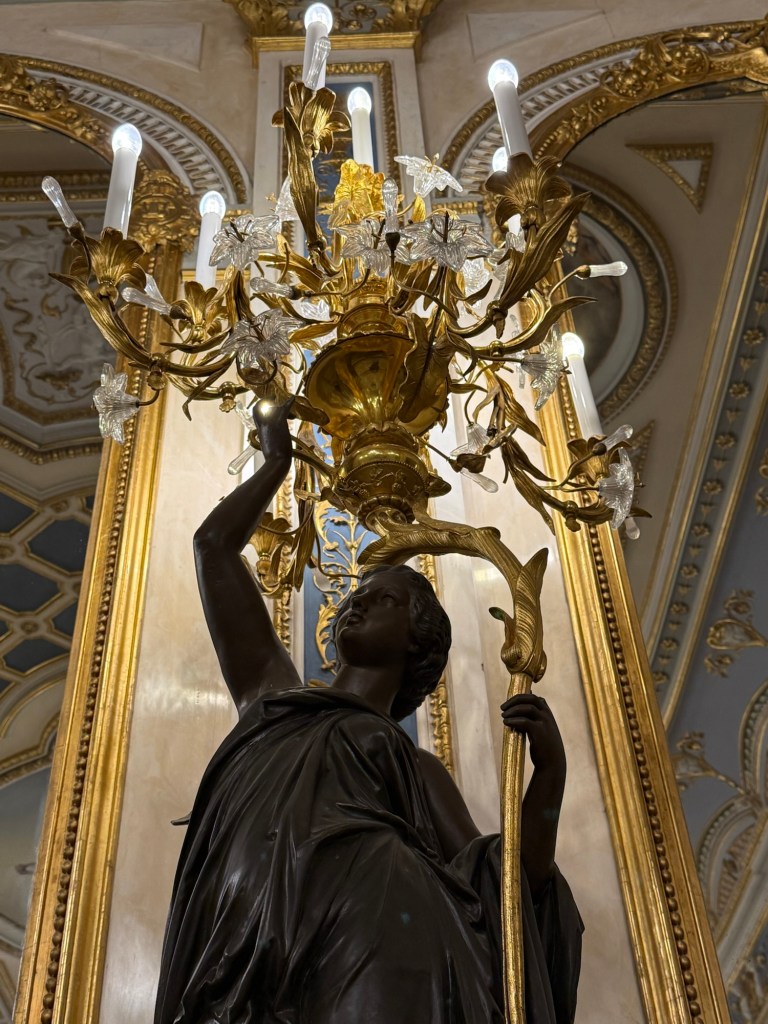
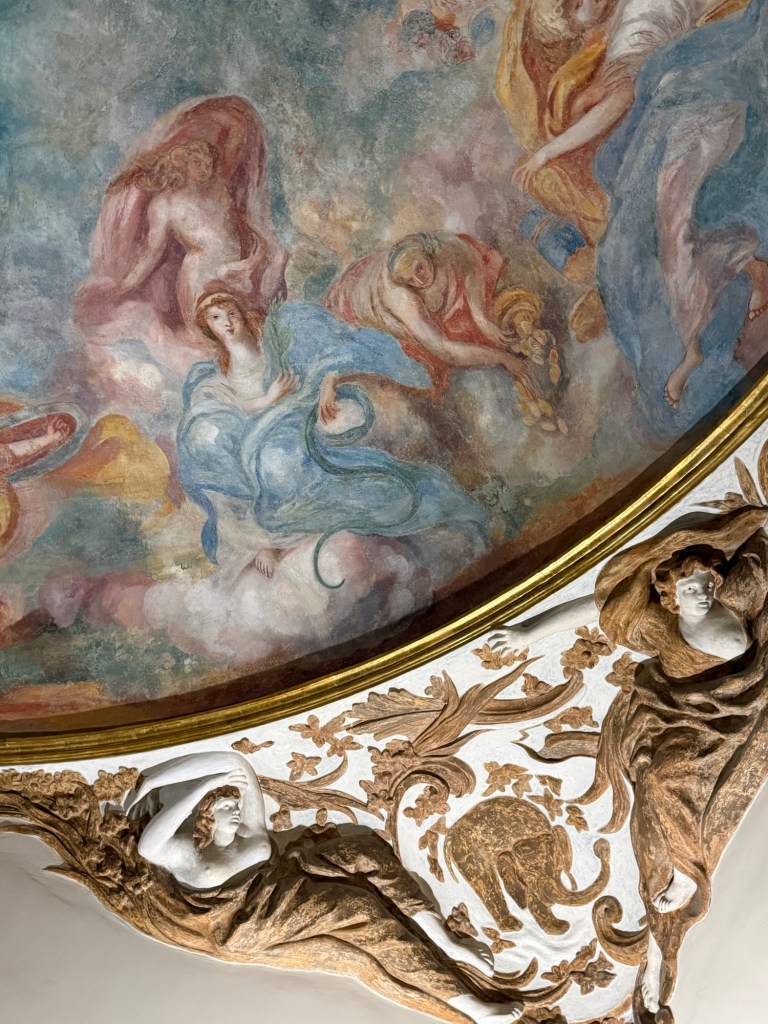
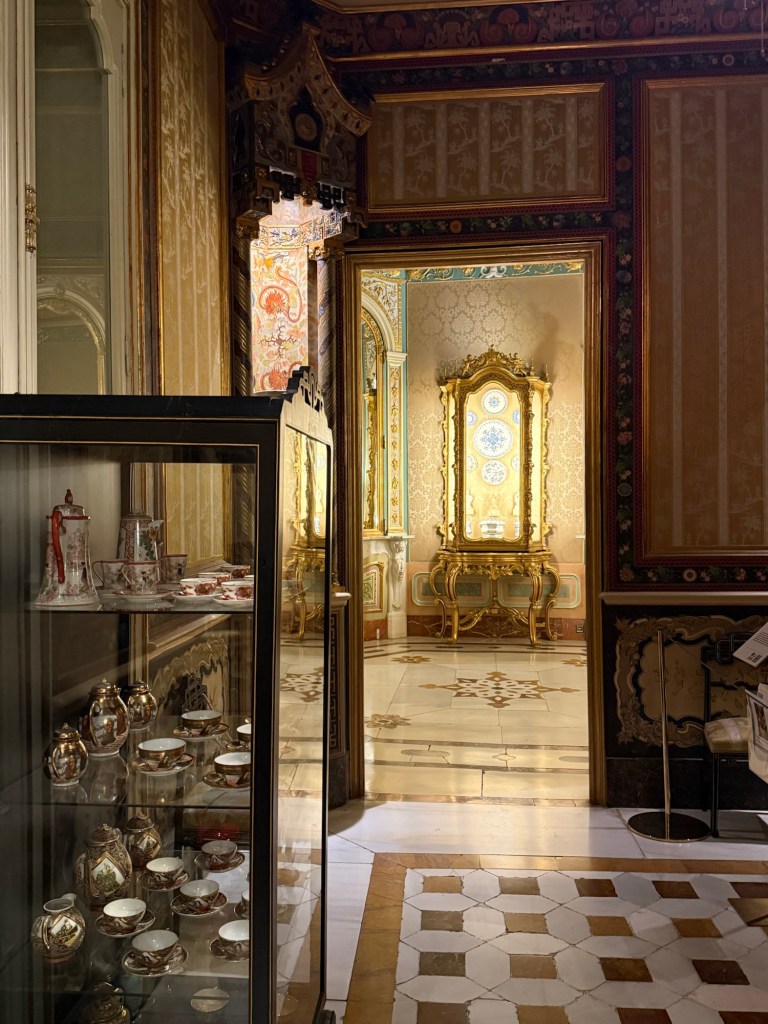
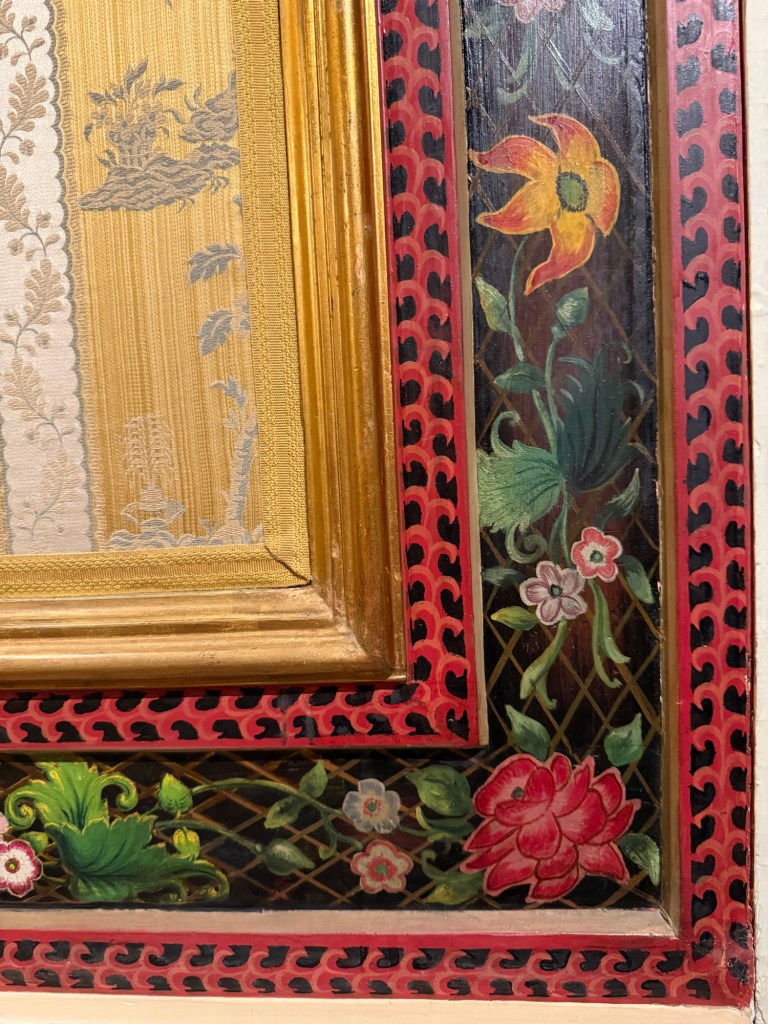
One thing I found very interesting is there are rooms decorated in the Rococó style (see above ) but they date actually from the 19th century – so they resemble almost a stage set. They are deliberate reconstructions of the decor and furniture from a century earlier. I wasn’t aware that there were many people doing that, and I don’t know if it was particular to this family or was a Spanish fashion or maybe was more widespread. In any case the attention to craftsmanship and taste is very interesting because it’s not exactly Rococó but there’s many of the qualities of Rococo. Those people who know more about applied art and design than I do will have a better idea of it but it certainly strikes me as fascinating and also beautiful.

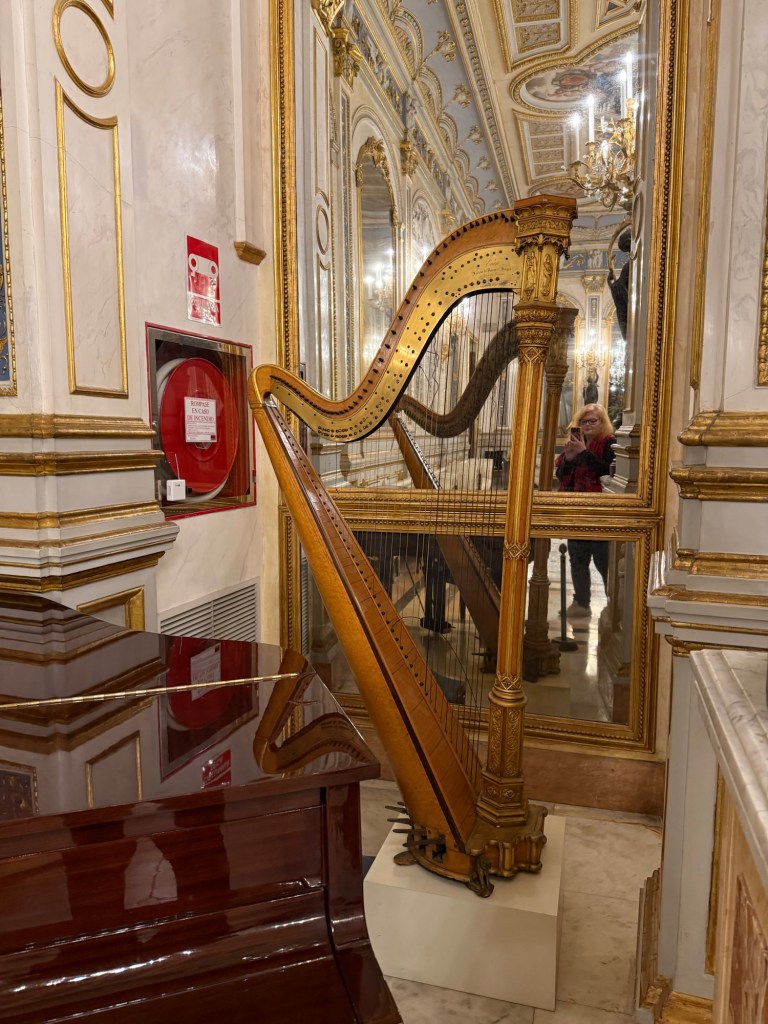
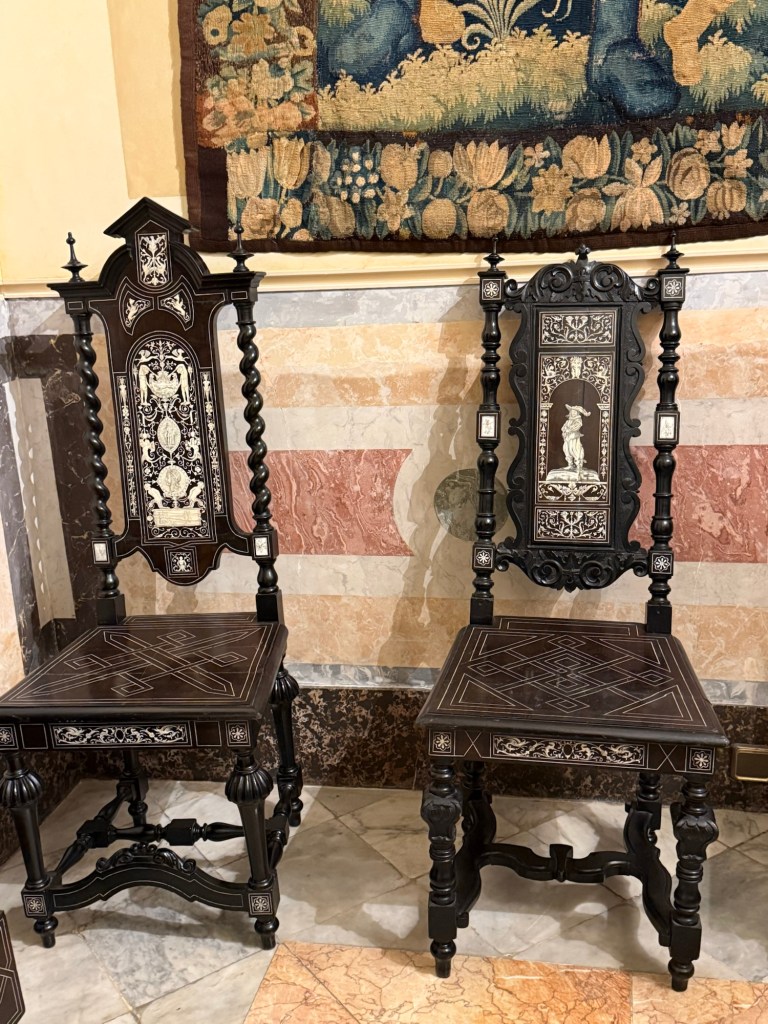
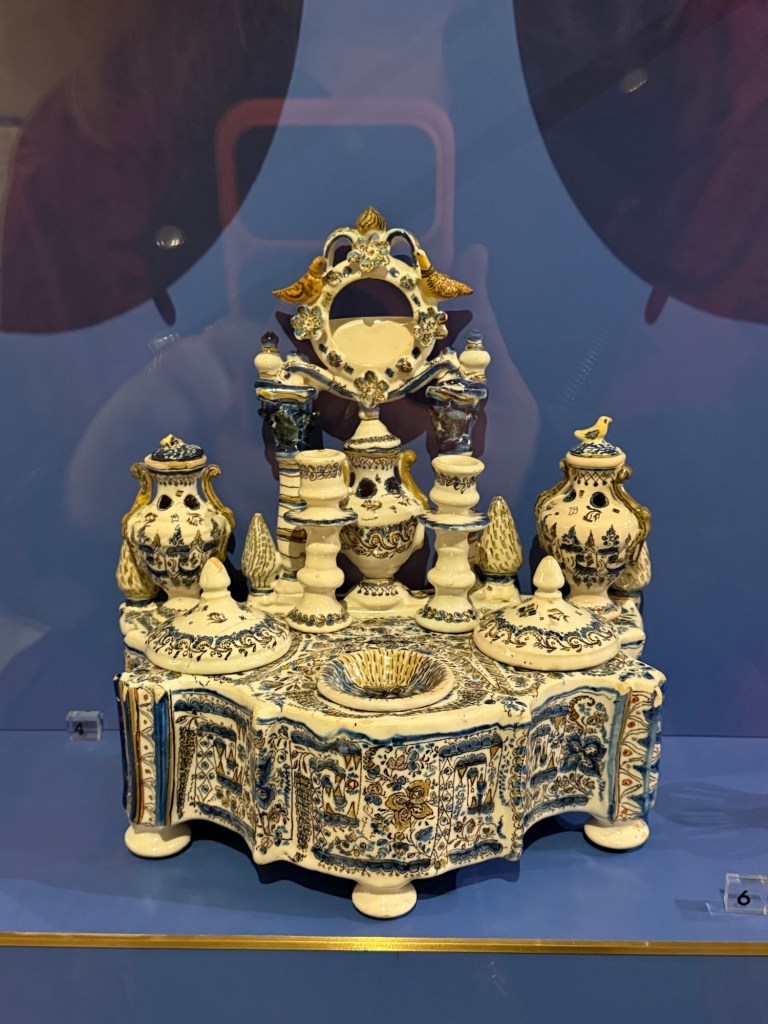
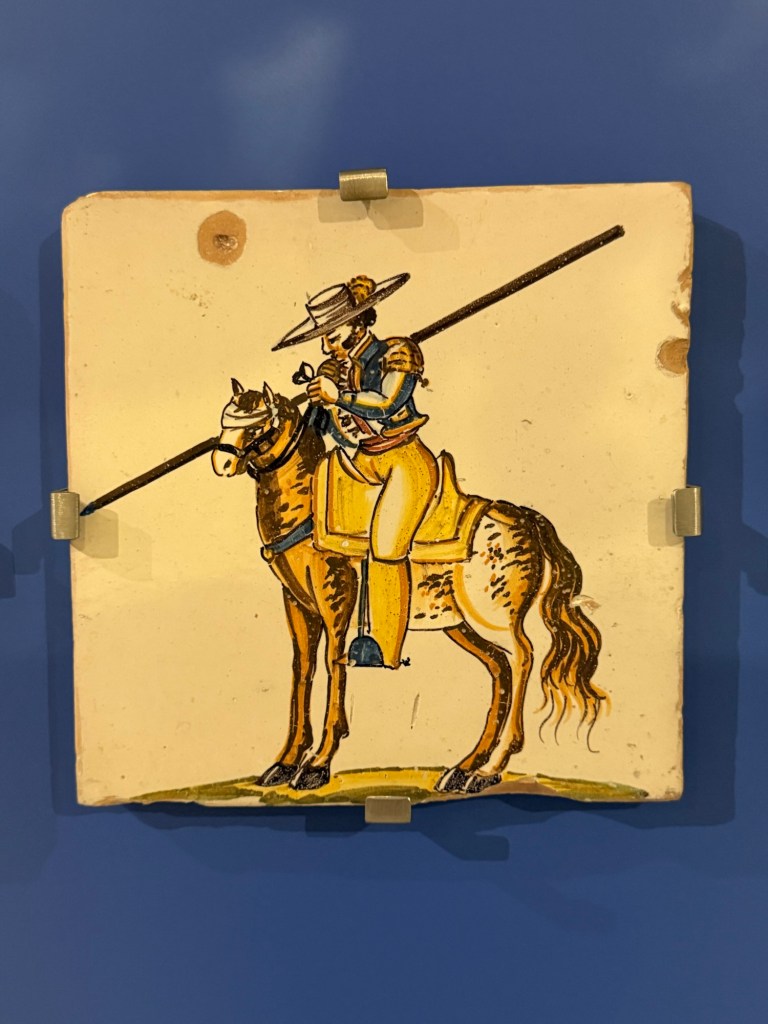
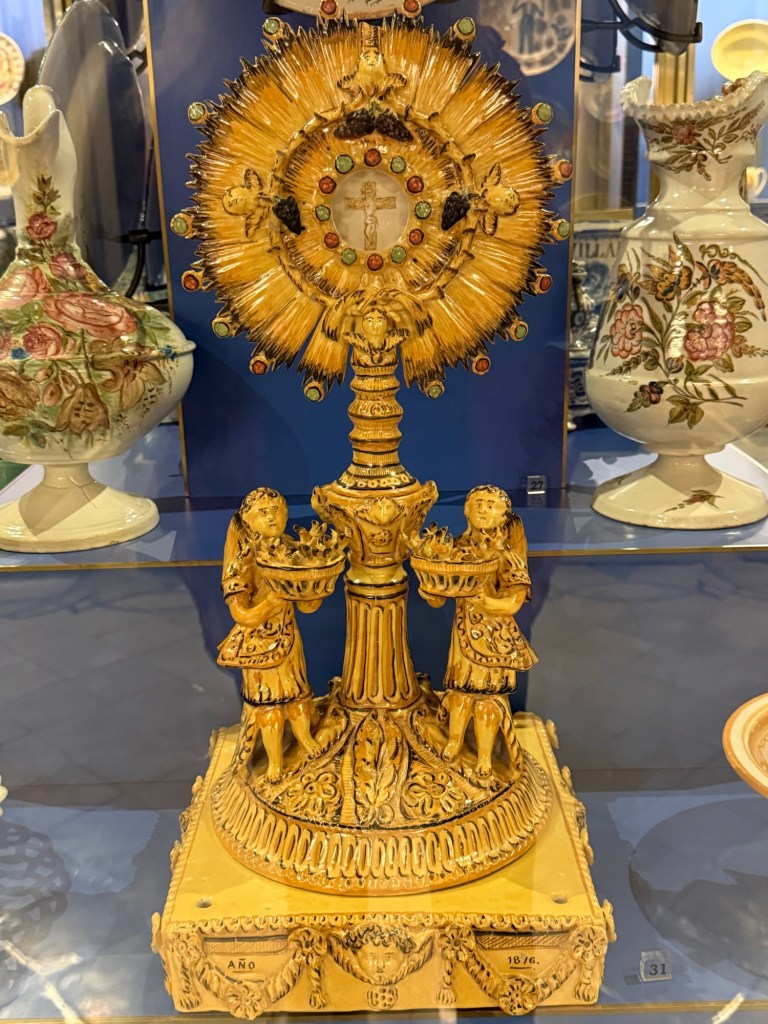
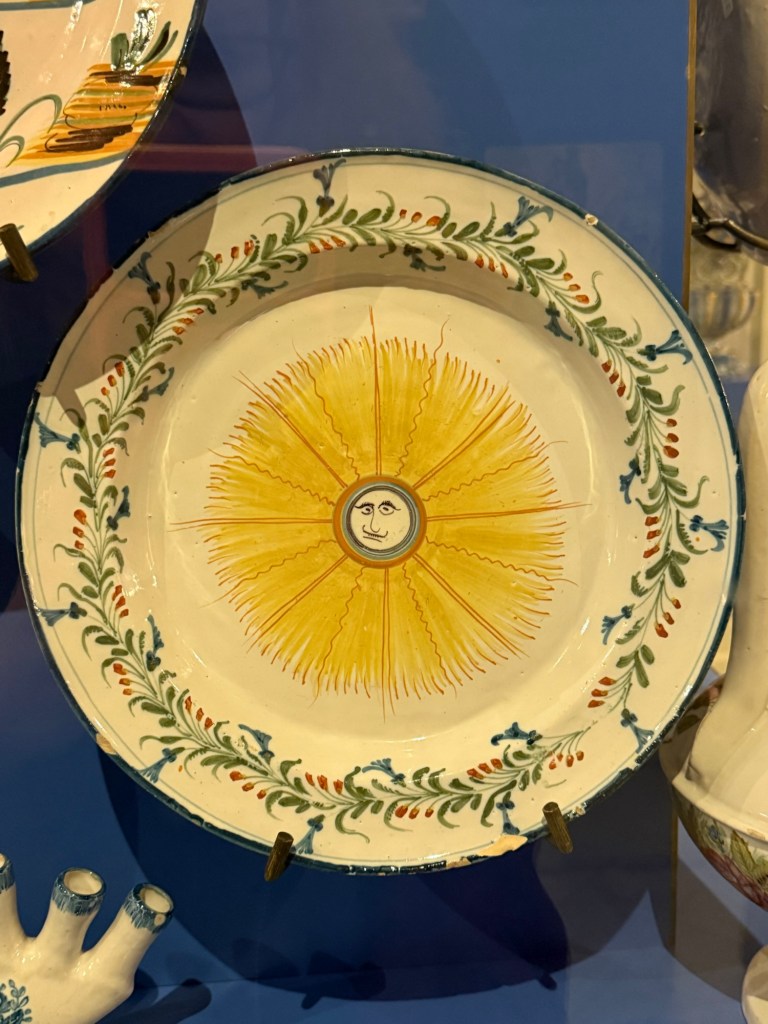
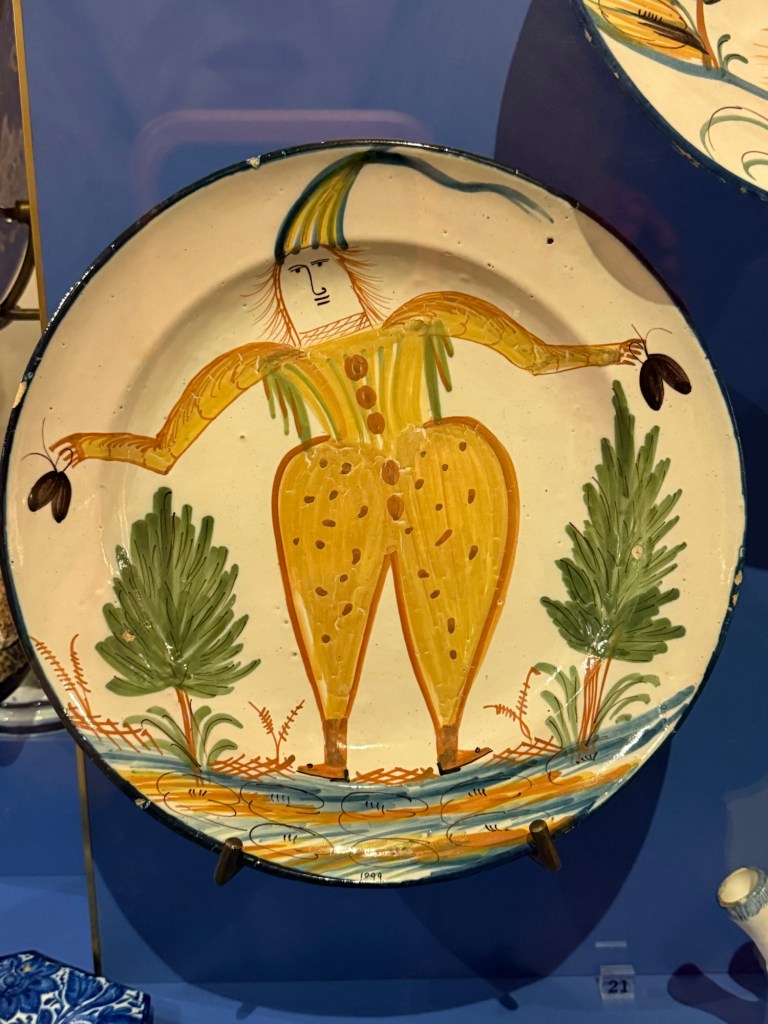
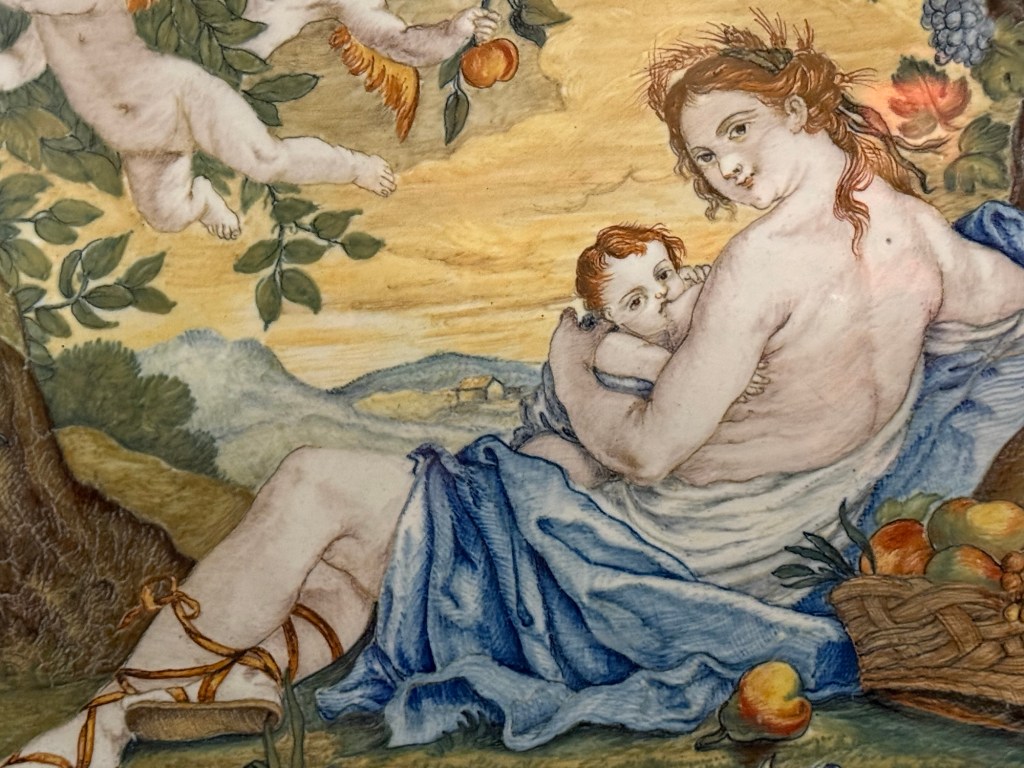
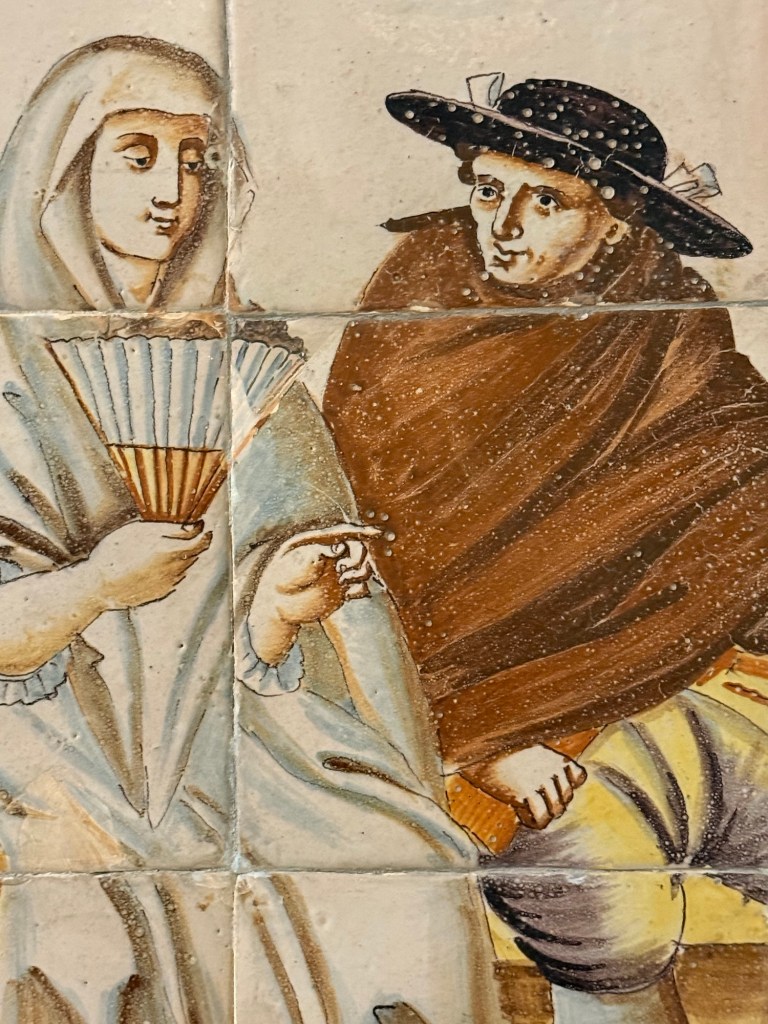
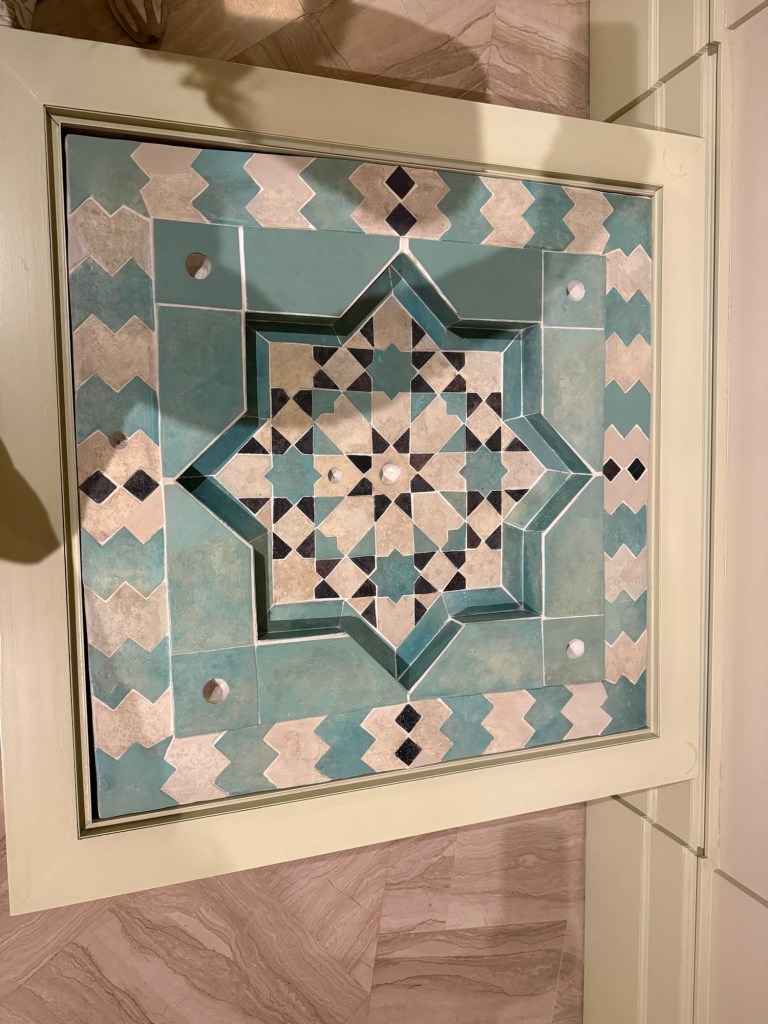
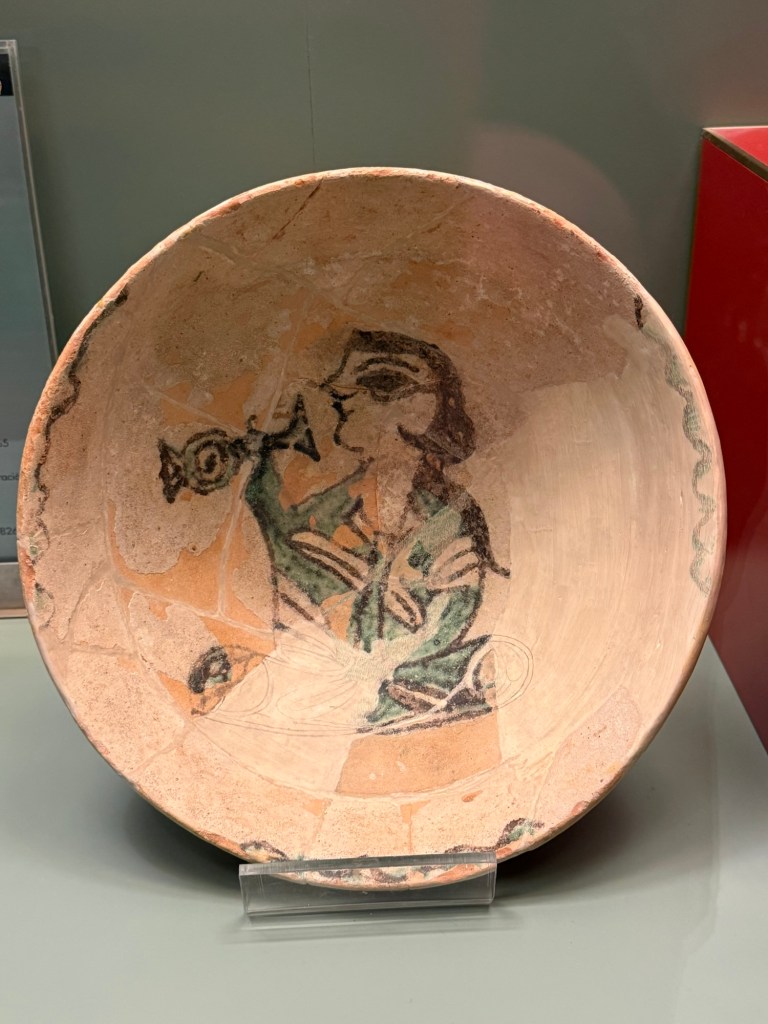
Although it is a museum of ceramics, it contains many other things than ceramics and of course the interior architecture is also fascinating. As for ceramics I’ve only become interested in ceramics over the last couple of years before that to be honest I always thought they were boring but I have changed my mind quite dramatically. I now see ceramics as a fascinating craft which has an incredibly long history and different cultures and different areas have their own approaches to ceramics which is endlessly fascinating. Spanish ceramics in particular have their own history of design and they are really culturally unique and quite wonderful. The Iberian Peninsula that is Spain and Portugal have such an amazing tradition of ceramic tiles. You see them in the street and you see them in interiors and they are really wonderful. I don’t think I will ever get tired of seeing them. They’re also really resilient so you will often see quite old ones just there in the street where they’ve been for hundreds of years. I want to learn more about the ceramic tiles of the Iberian region.
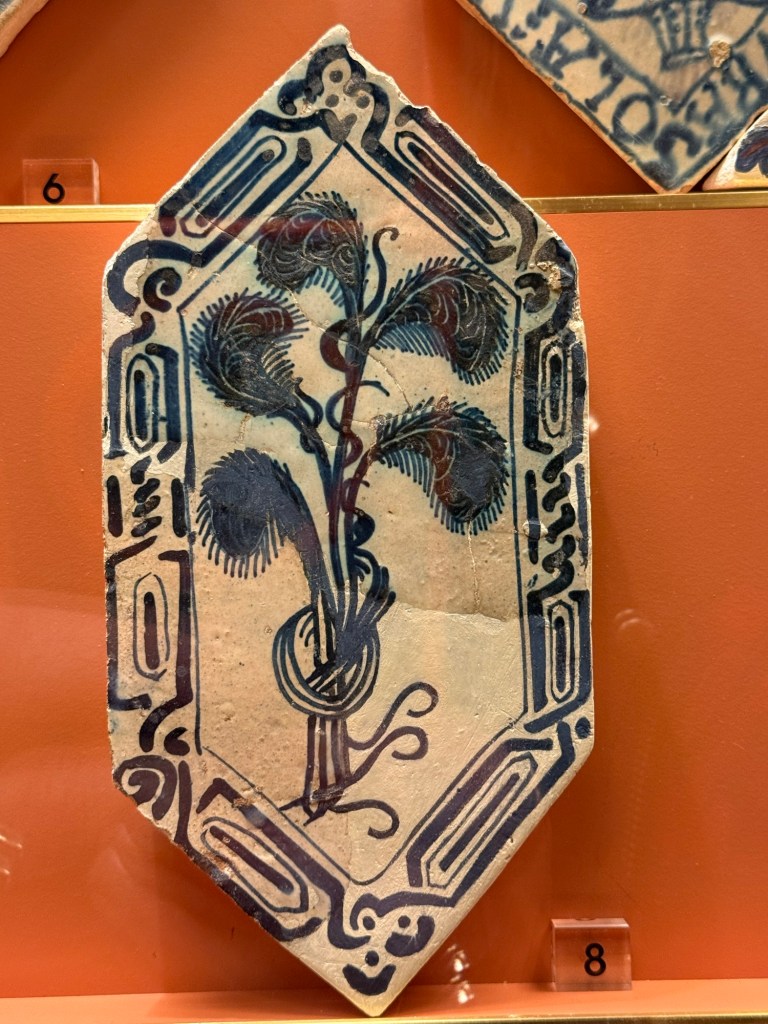
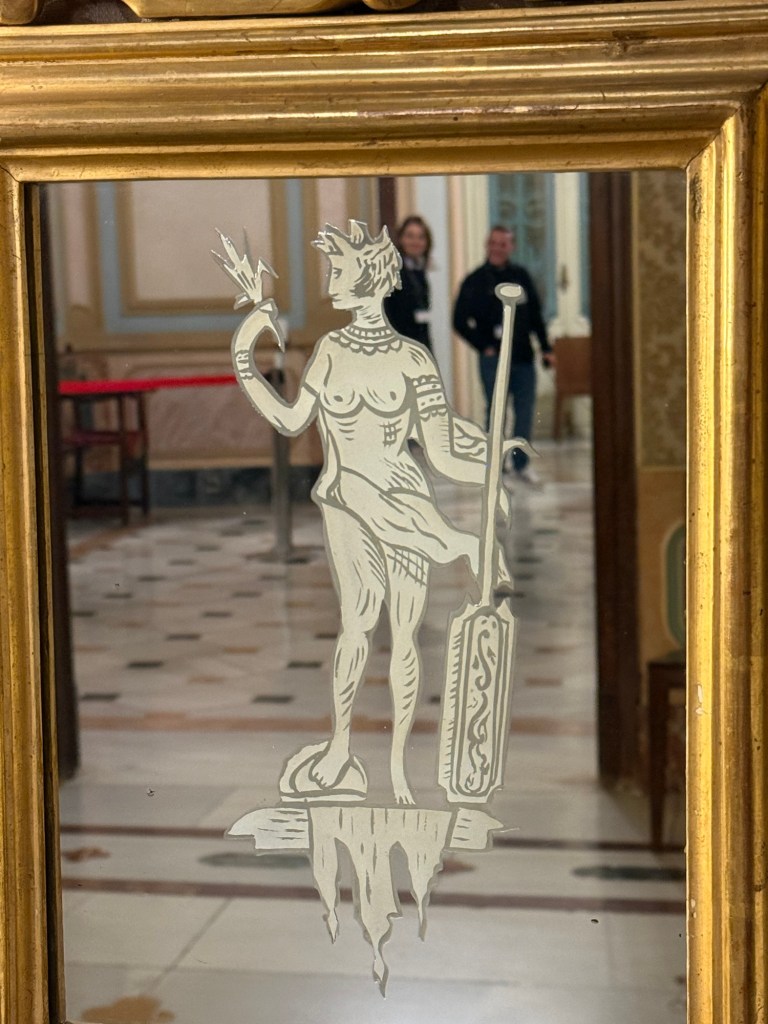
Ultimately, it is a fantastic museum of applied arts and contains everything from wonderful ceremonial carriages a sedan chair furniture and tapestries as well as a wealth of wonderful ceramics from all periods of Valencia civilisation
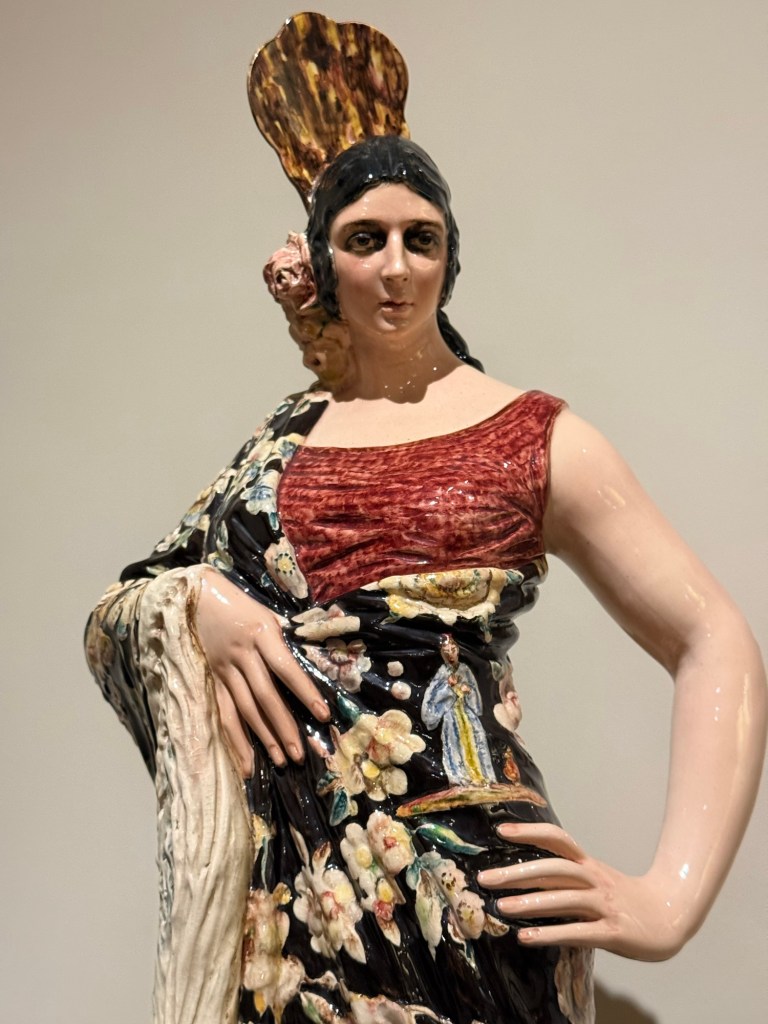
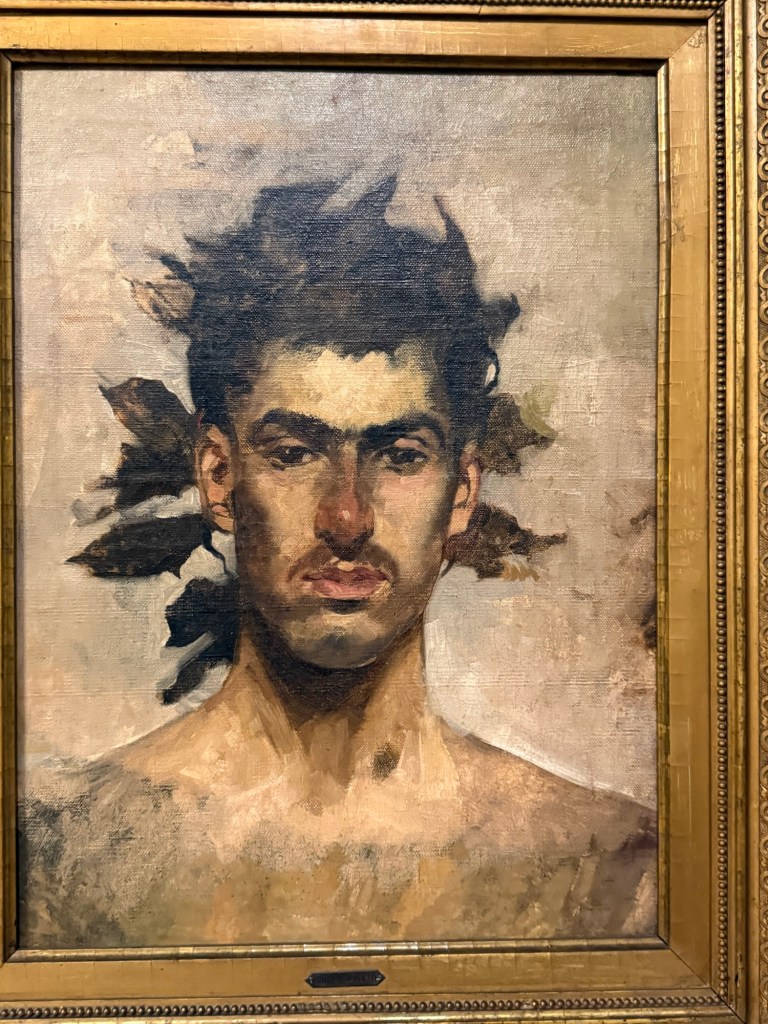
Spain has an amazing history of art much of which is not well known outside of the Hispanic speaking world which I think is unfortunate although we are very aware of well-known people like Velasquez Miro, Picasso Goya and Dali there are many other artists who are more than worthwhile and should be seen. Since I have been quite often in Spain over the last couple of months, I’m going to be posting quite a lot of Spanish art over the next little while so please do watch this space.
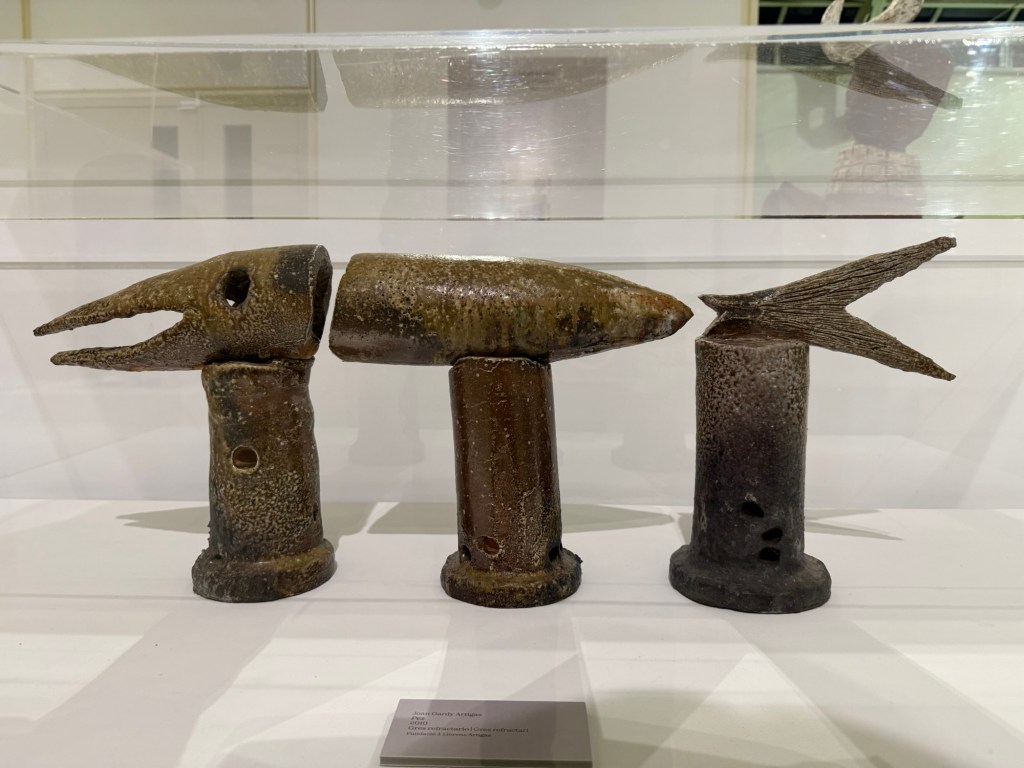
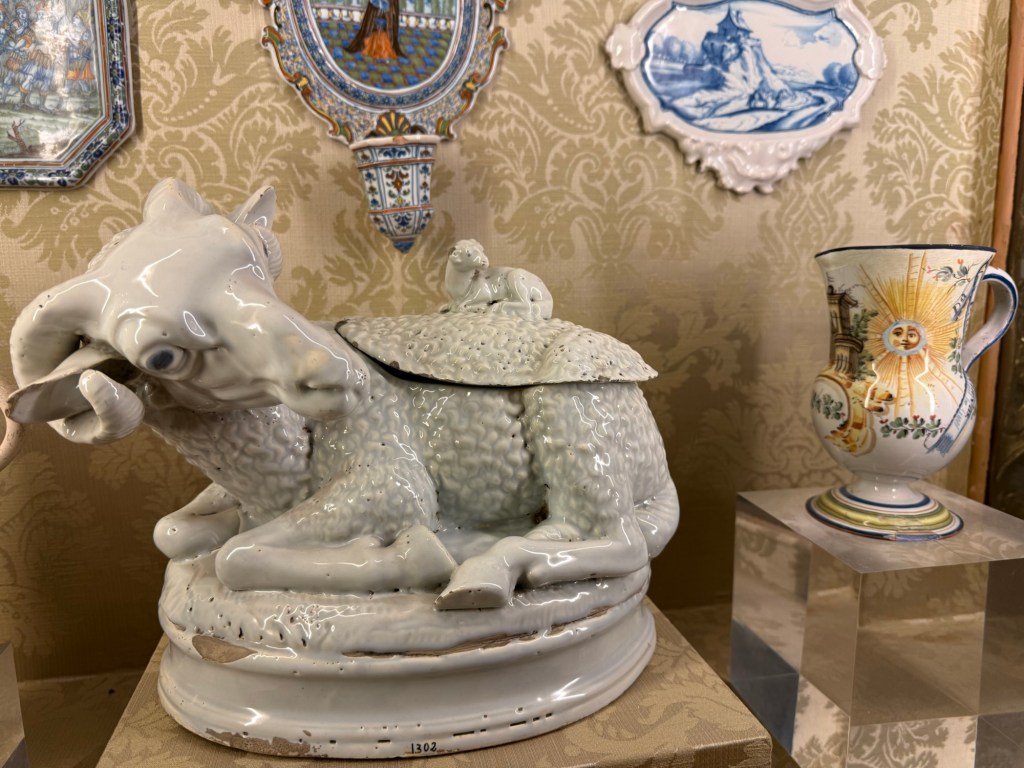
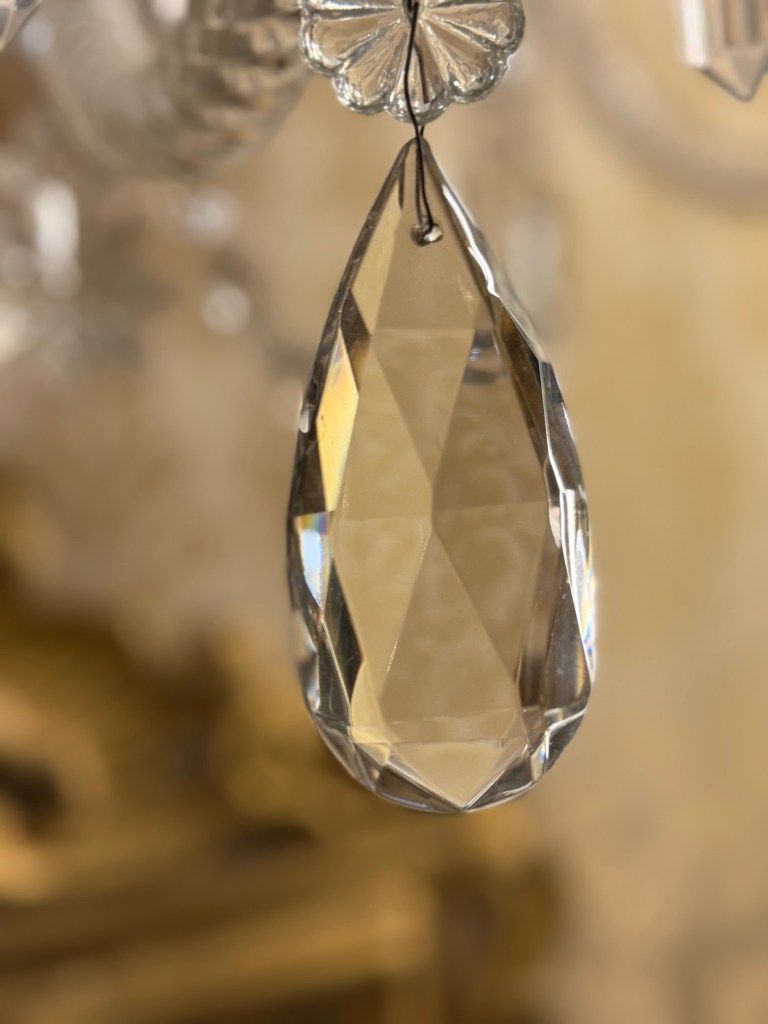
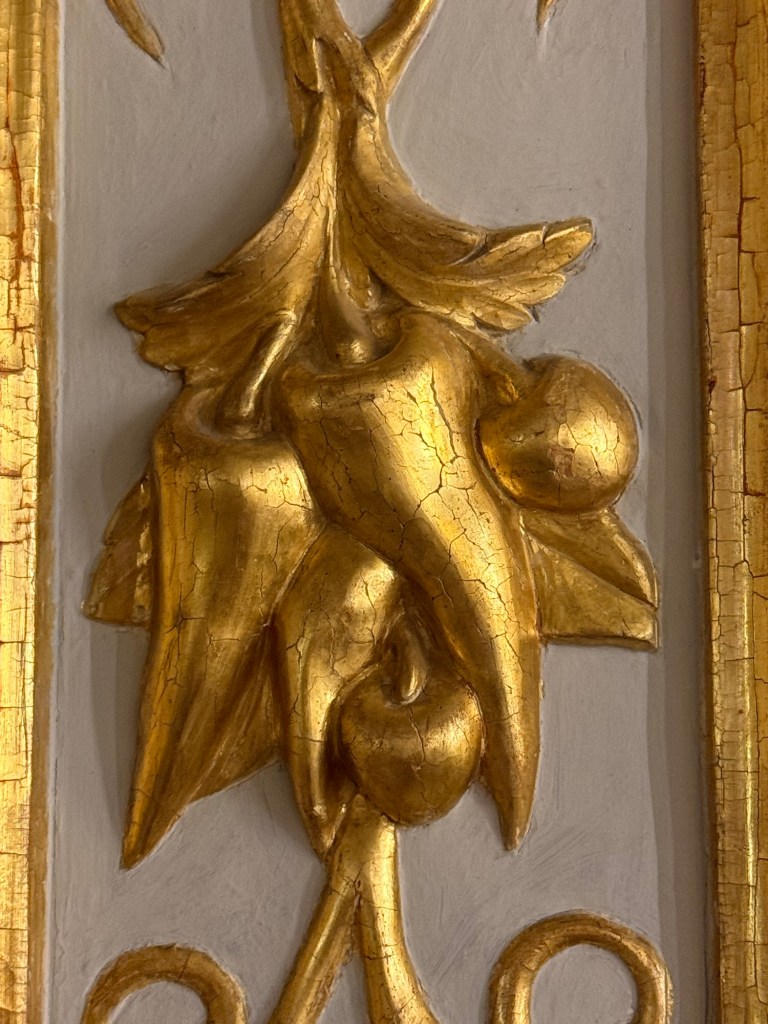
The Museum of ceramics is open Tuesday to Sunday in Valencia; it doesn’t have a café but it does have lockers and there are many cafés nearby. It is in a very beautiful area close to other museums and I don’t think you should miss it if you visit Valencia..
 THE ART TRAVELLER
You must be logged in to post a comment.