A luminous journey through art, myth, ritual and the pull of the celestial
The Saatchi Gallery
To – 8 SEPTEMBER 2026
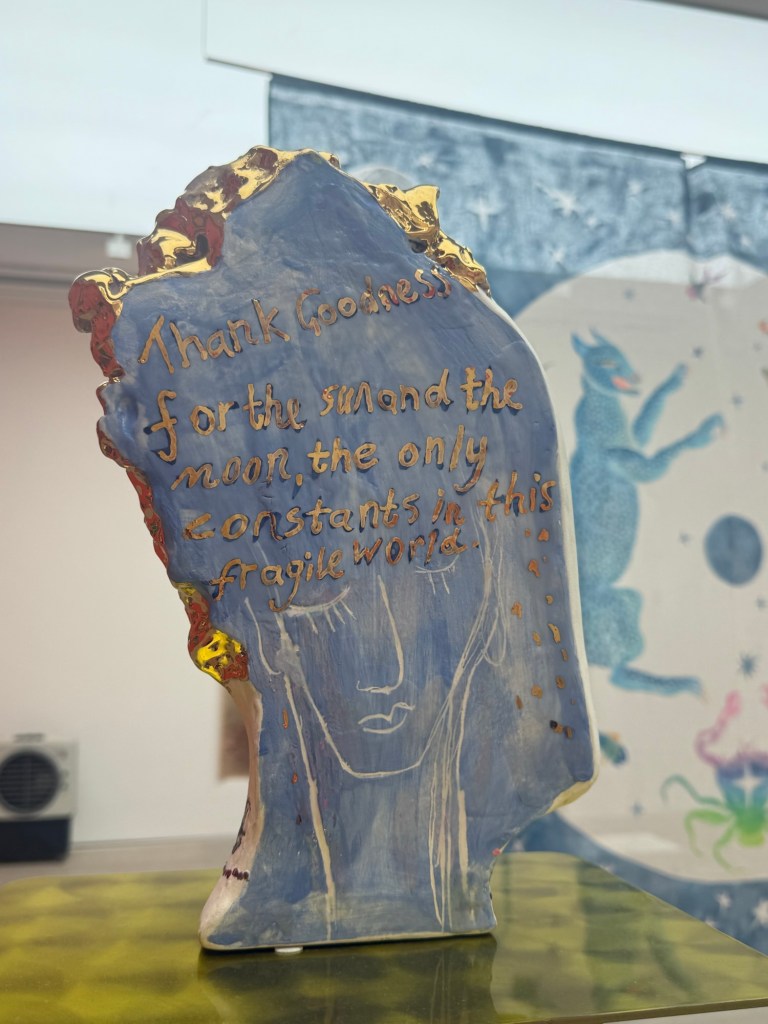
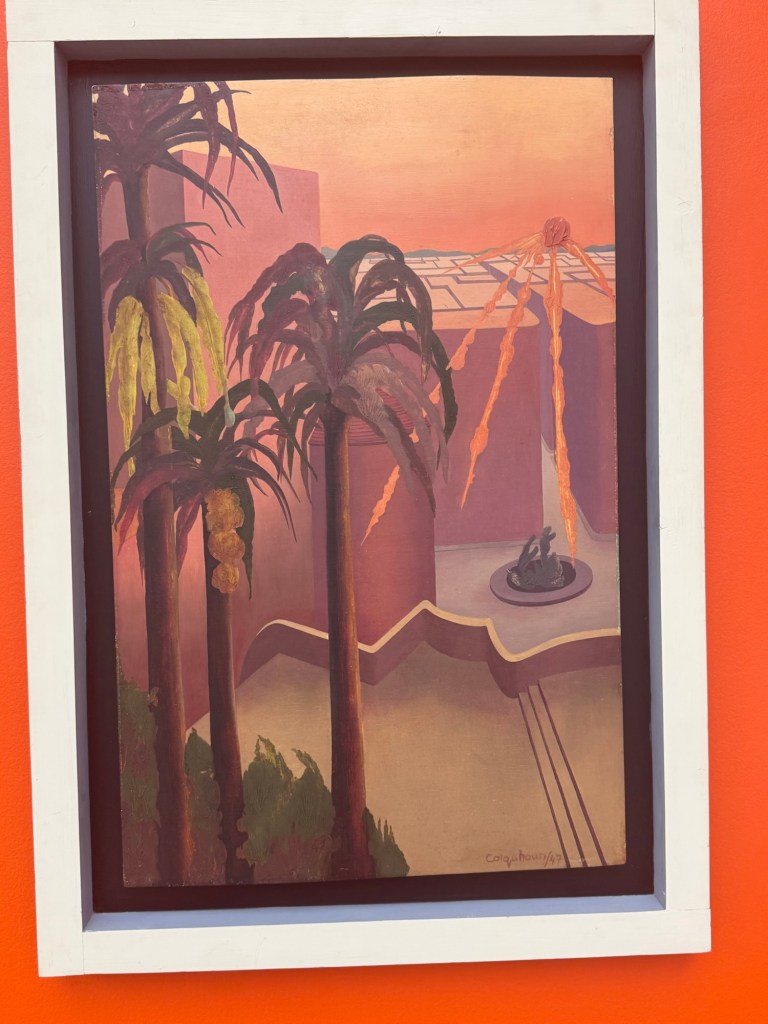
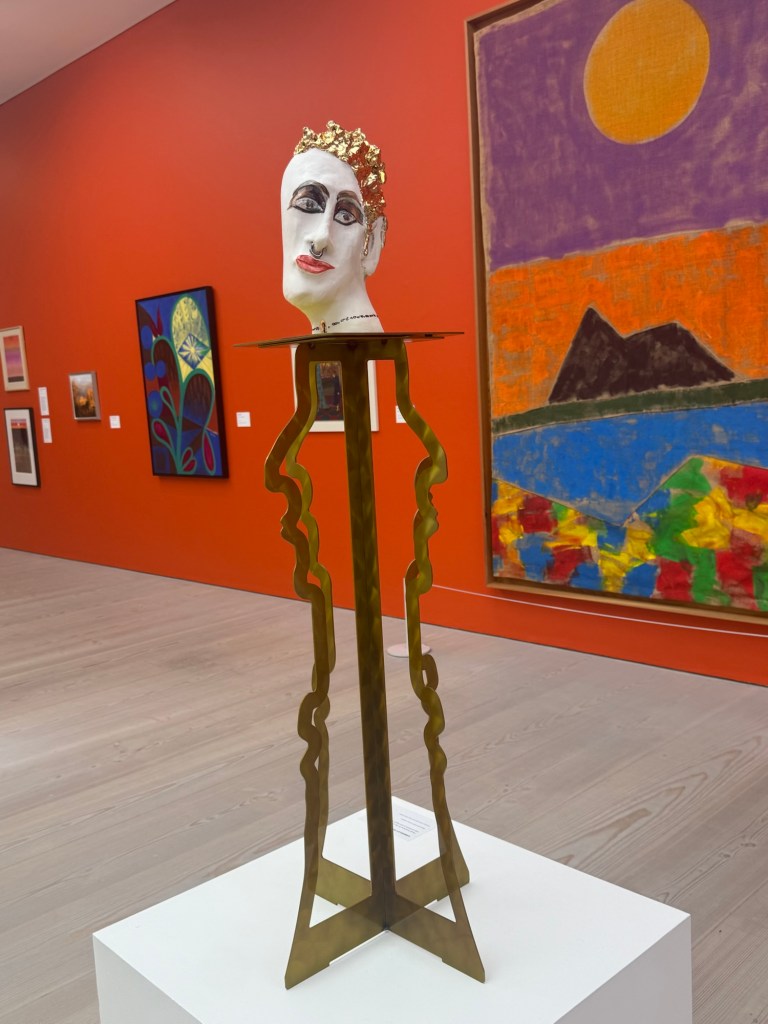
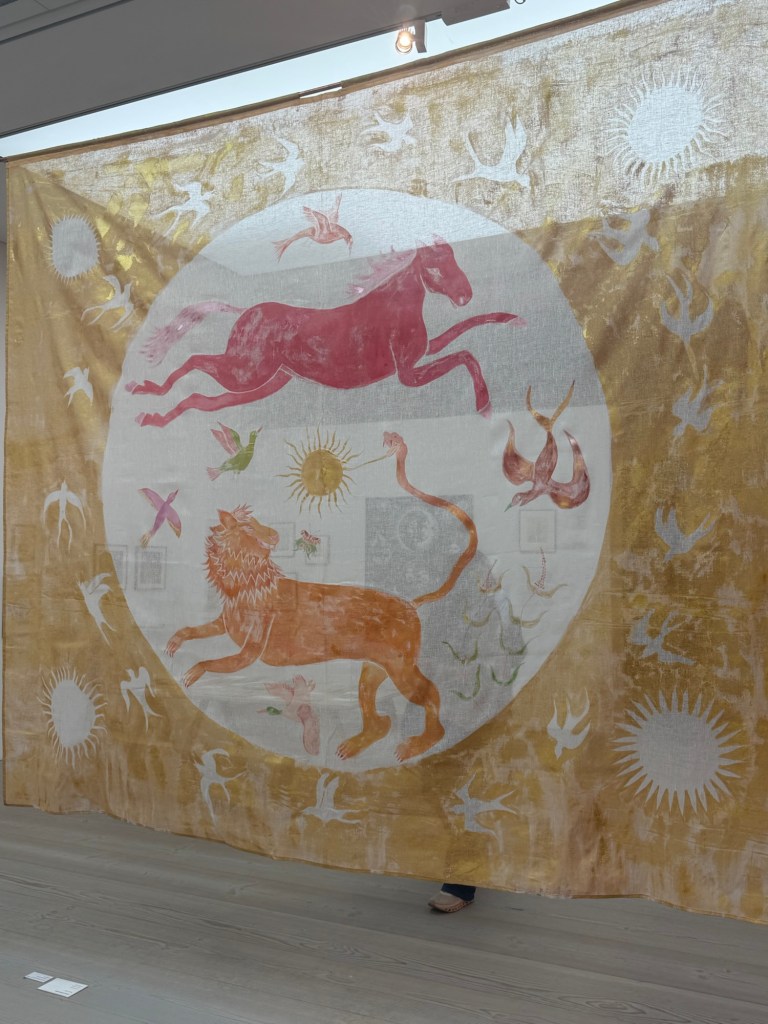
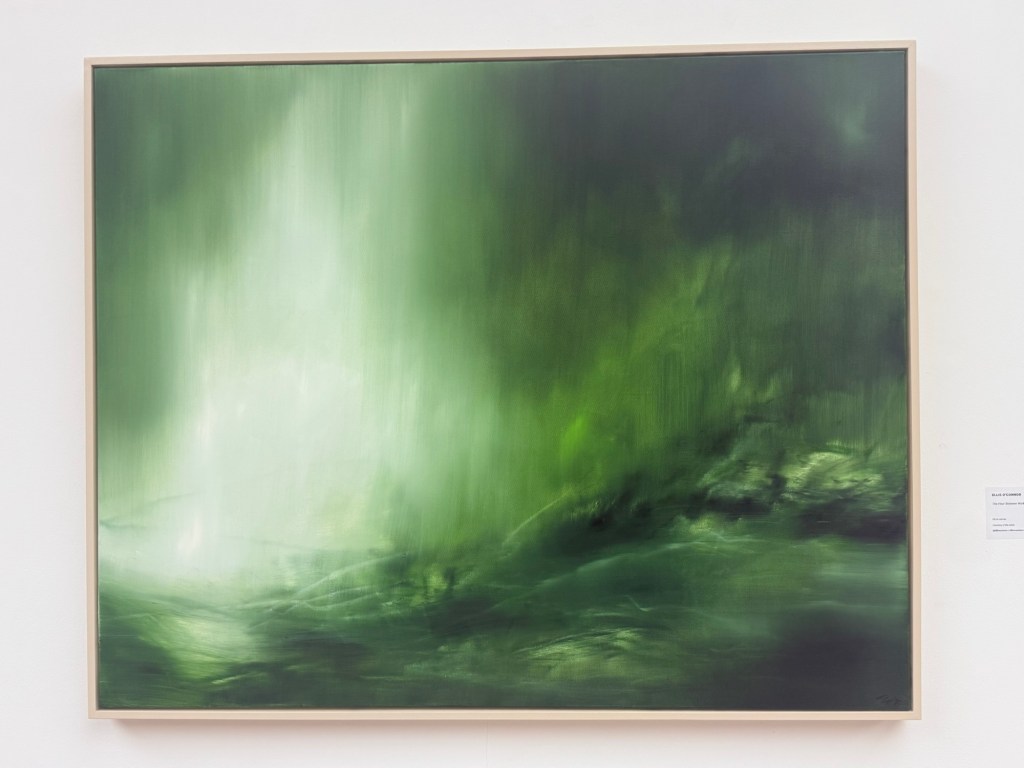
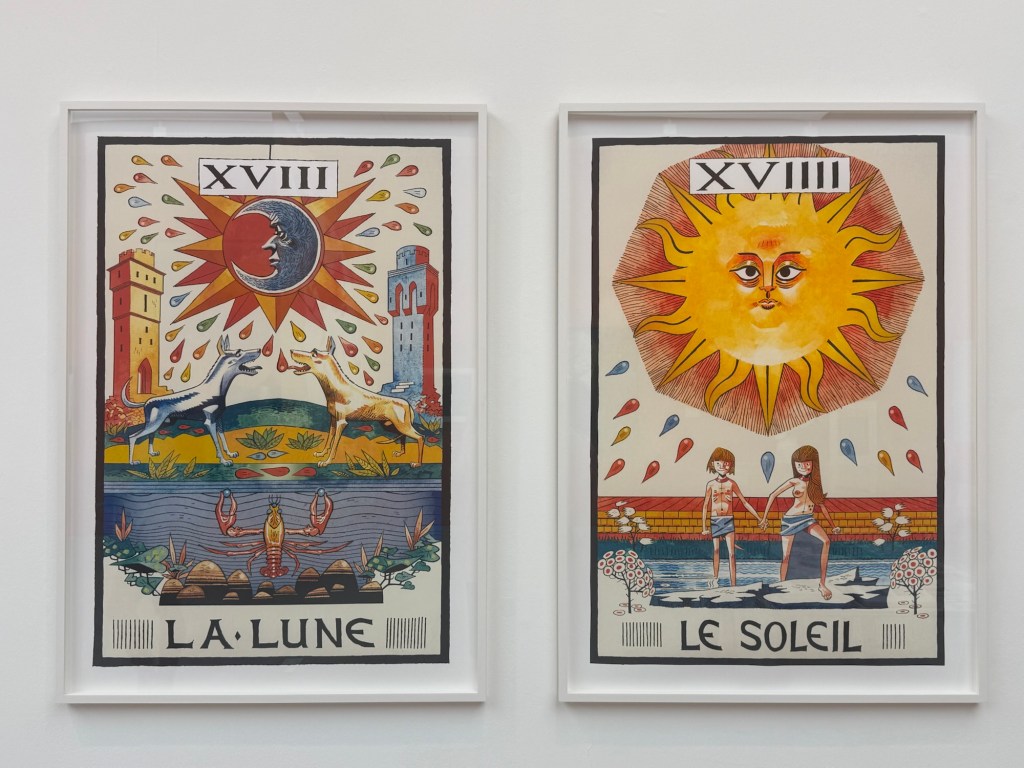
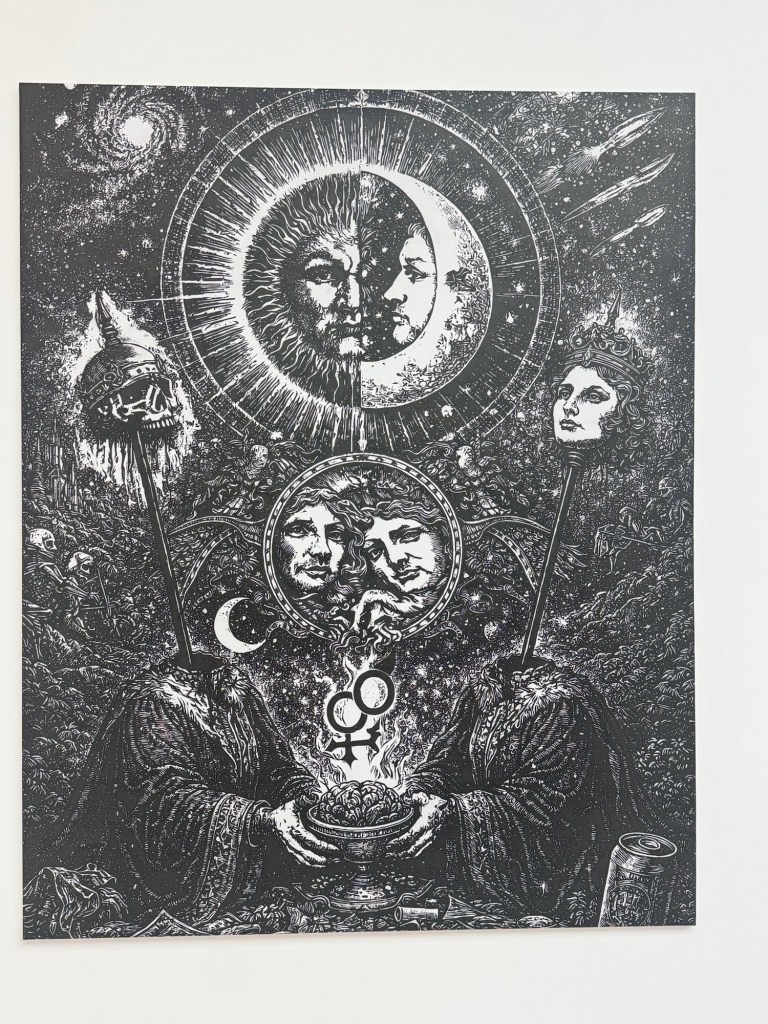
There is still time to visit the Saatchi Gallery in Chelsea and see The Sun and The Moon: Art Inspired by the Celestial, a richly conceived exhibition for anyone drawn to those two commanding presences in the sky.
Perhaps I am especially receptive because these themes already matter to me: light and darkness, ritual and time, myth and science, and the strange intimacy of looking at something impossibly distant and finding it speaks to ordinary human life. Even so, the exhibition’s scope is impressive. Across two floors and nine major spaces, it traces how the Sun and the Moon shape creativity, curiosity and belief across cultures and centuries.
Its strength lies in that breadth. The curators bring together a genuinely global range of material, allowing well-known contemporary artists, past masters, archival objects and emerging voices to sit alongside one another without crowding the argument. The result feels expansive but coherent, organised as a 24-hour cycle that moves from dawn through daylight and into night.
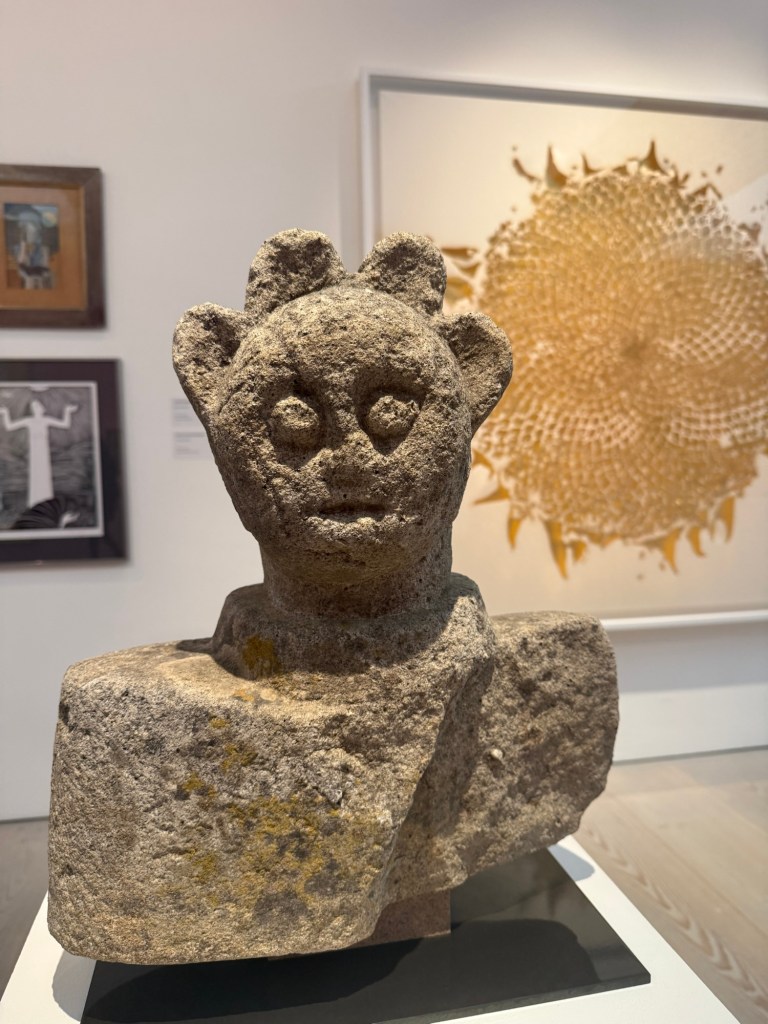
The first four chapters focus on the Sun. Dawn considers early belief systems and mythologies; The Sun Rising turns to time, seasons and ritual; Zenith explores the Sun at its height and its relationship to the body; and Setting Sun closes the sequence with transformation.
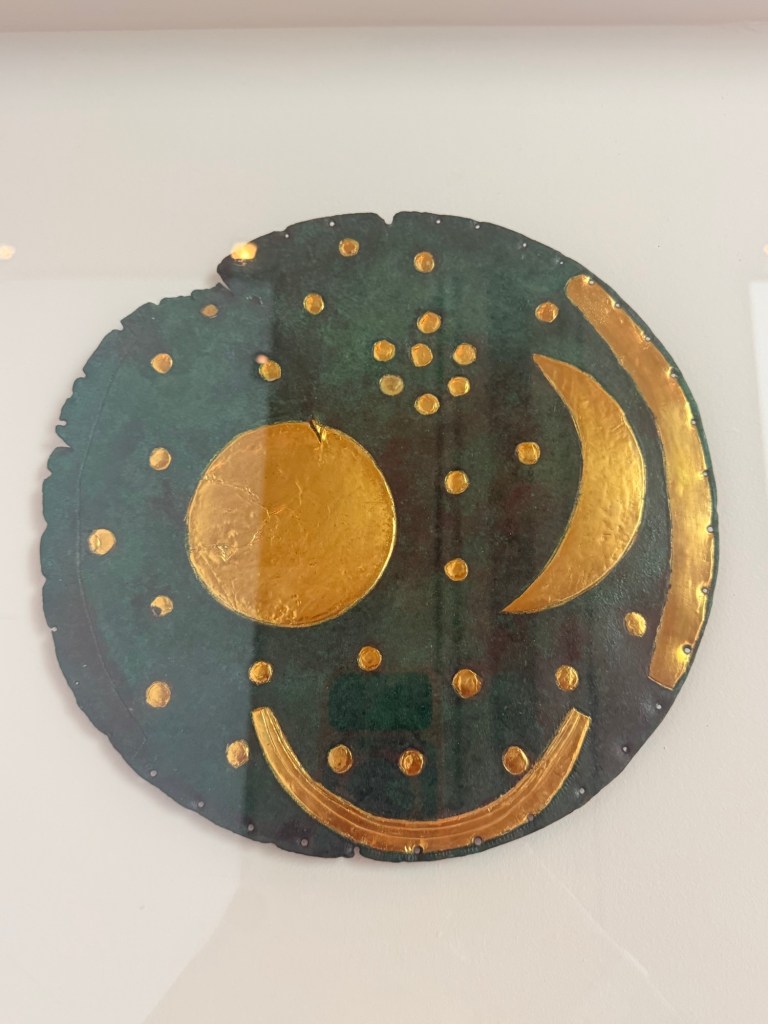
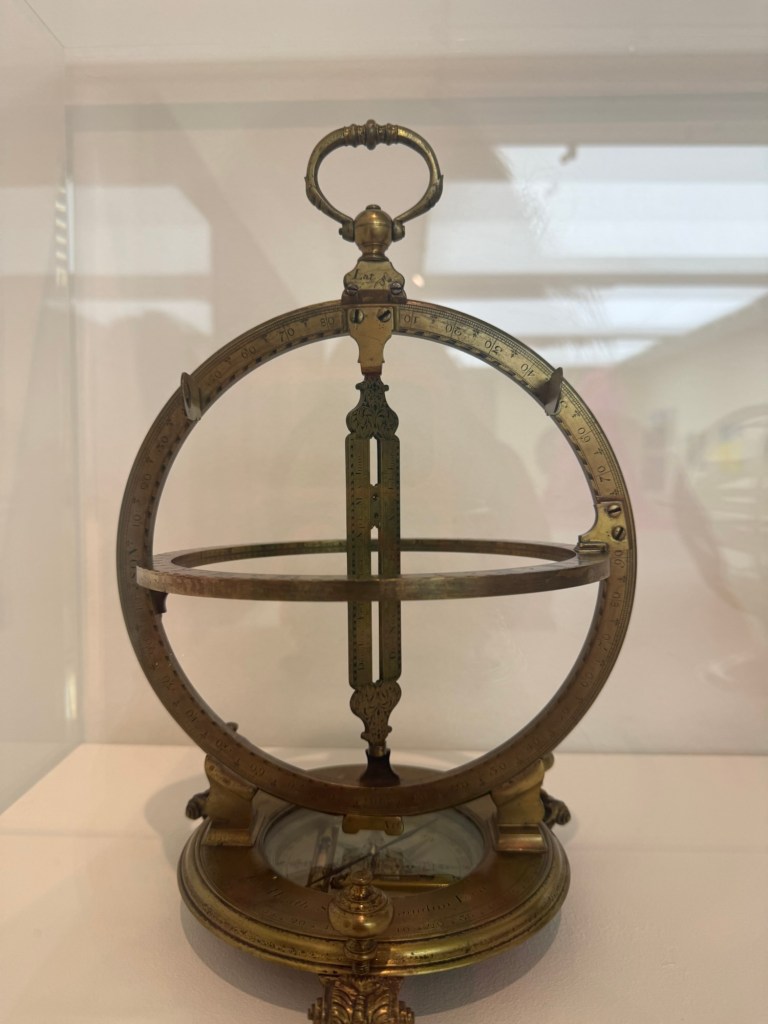
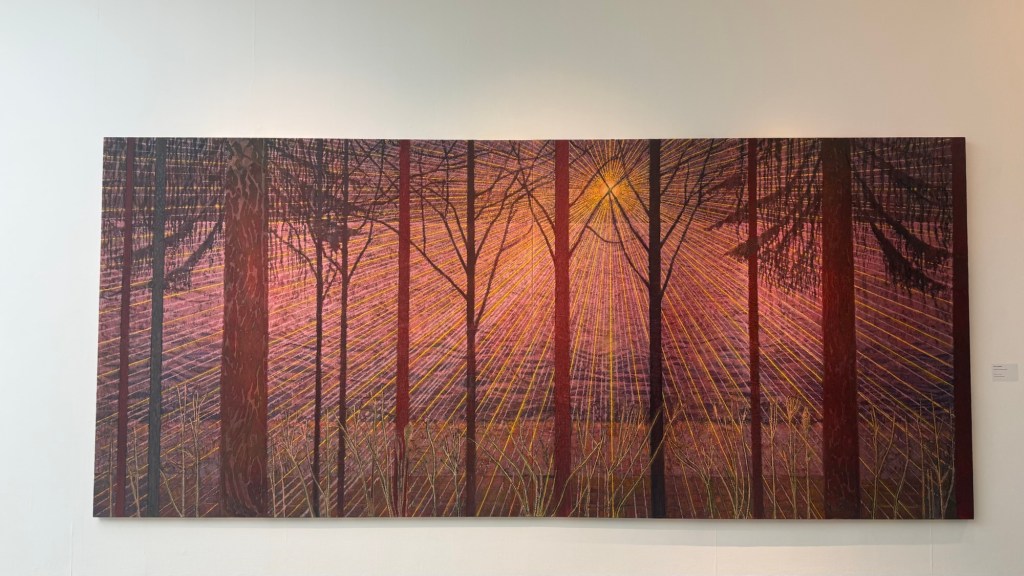
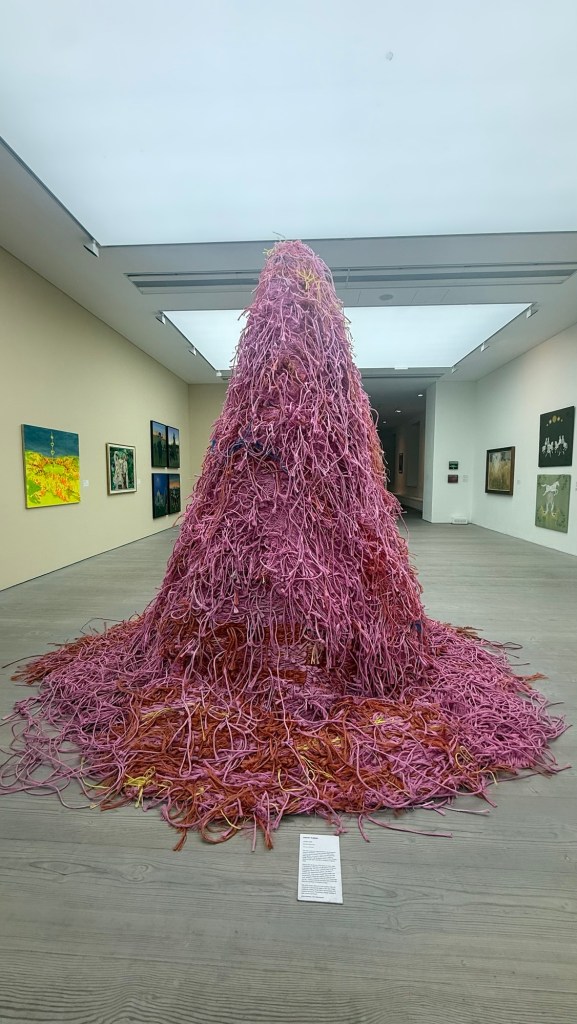
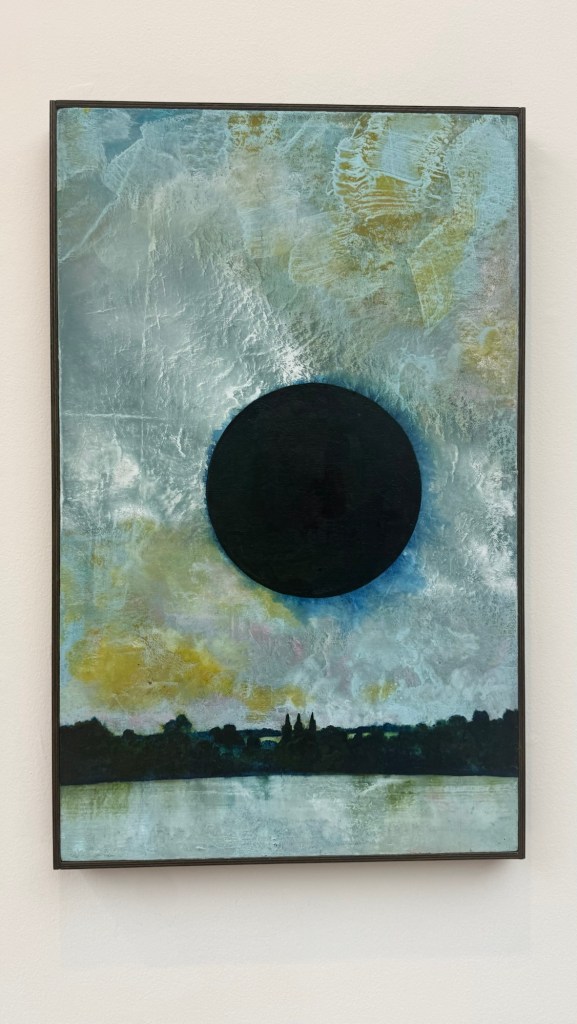
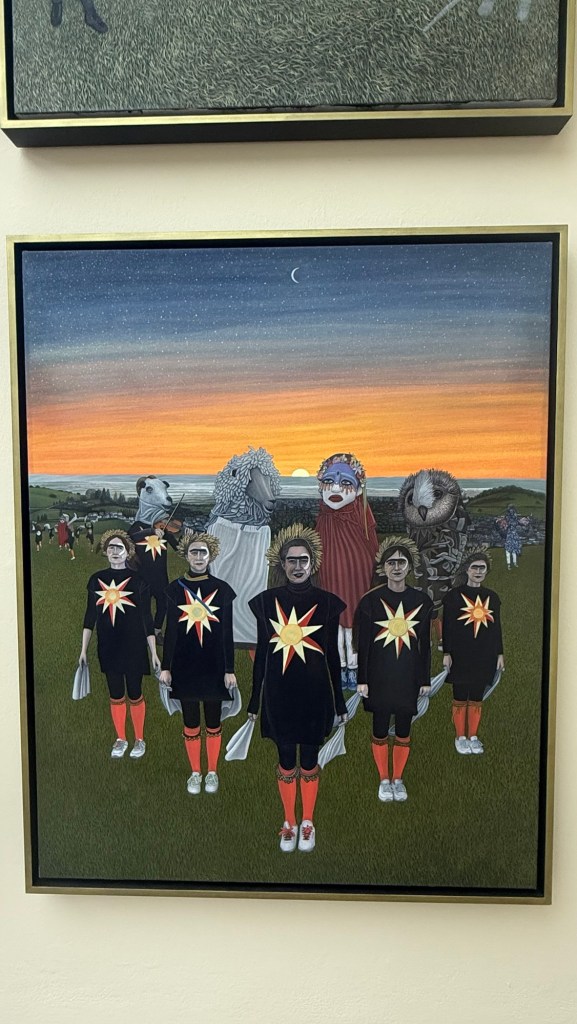
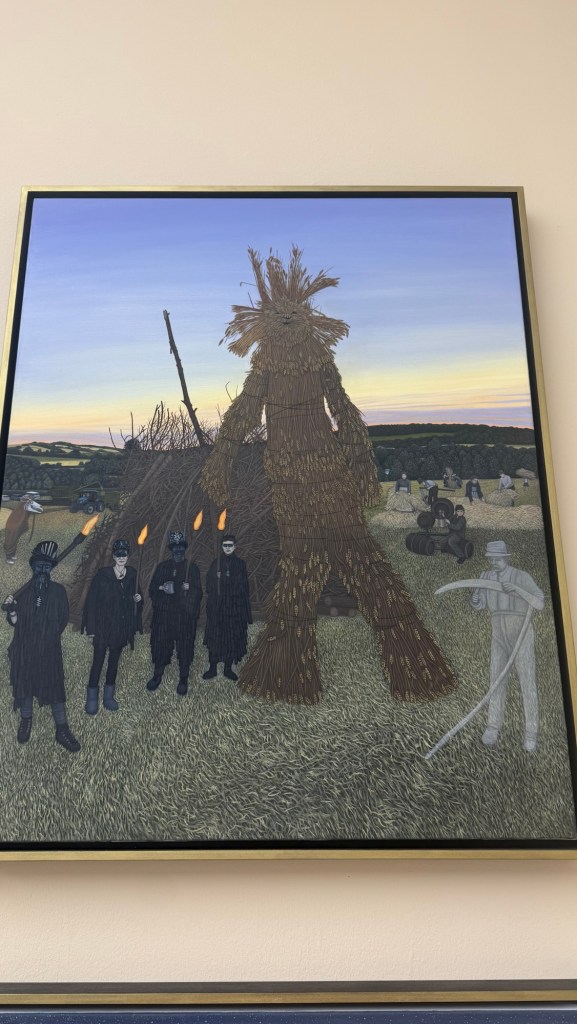
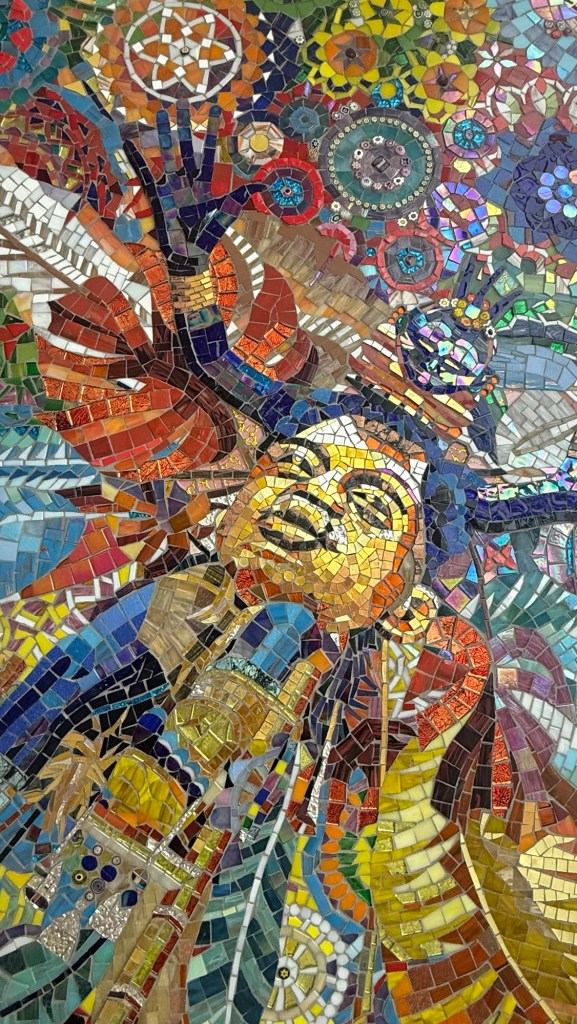
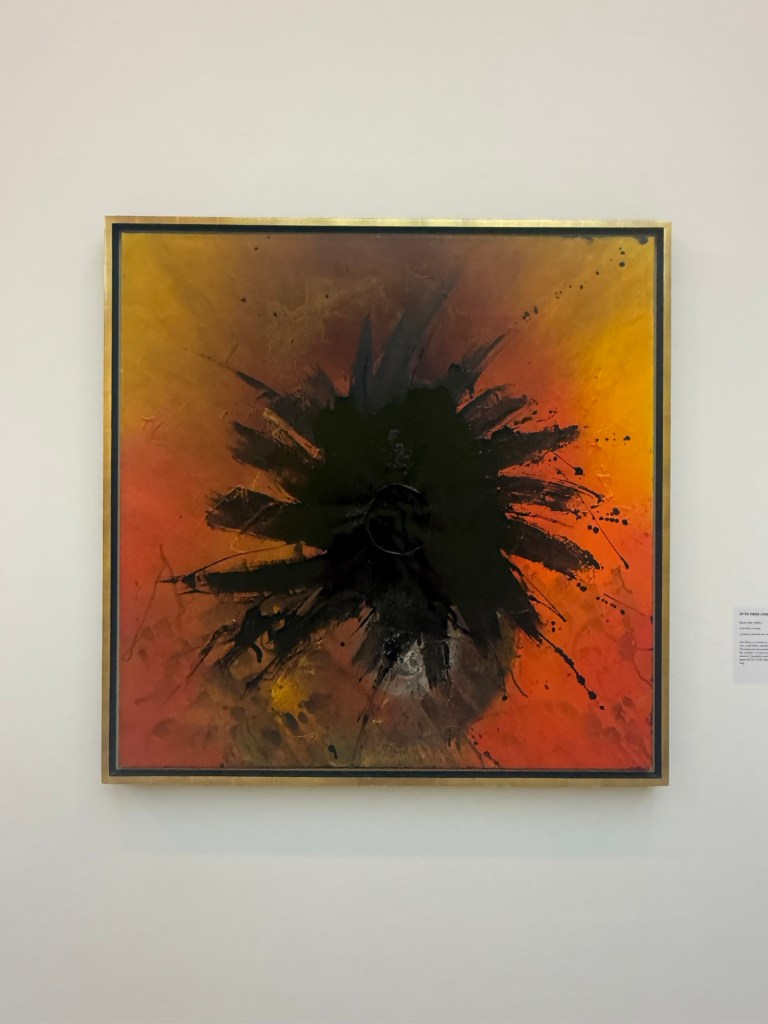
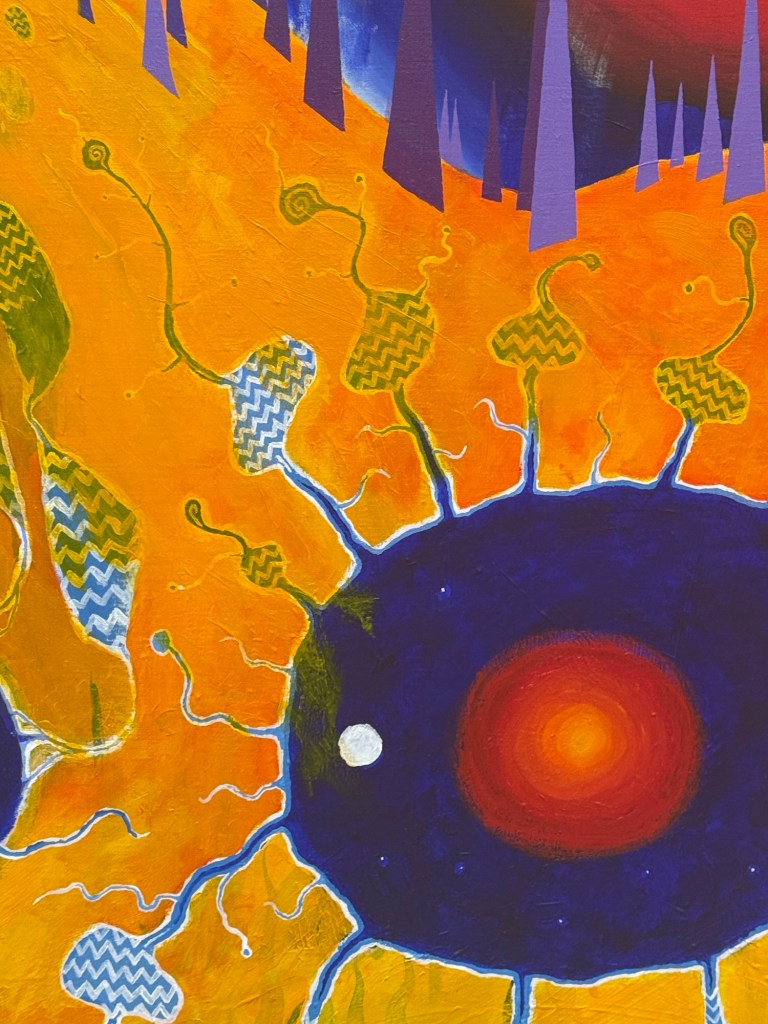
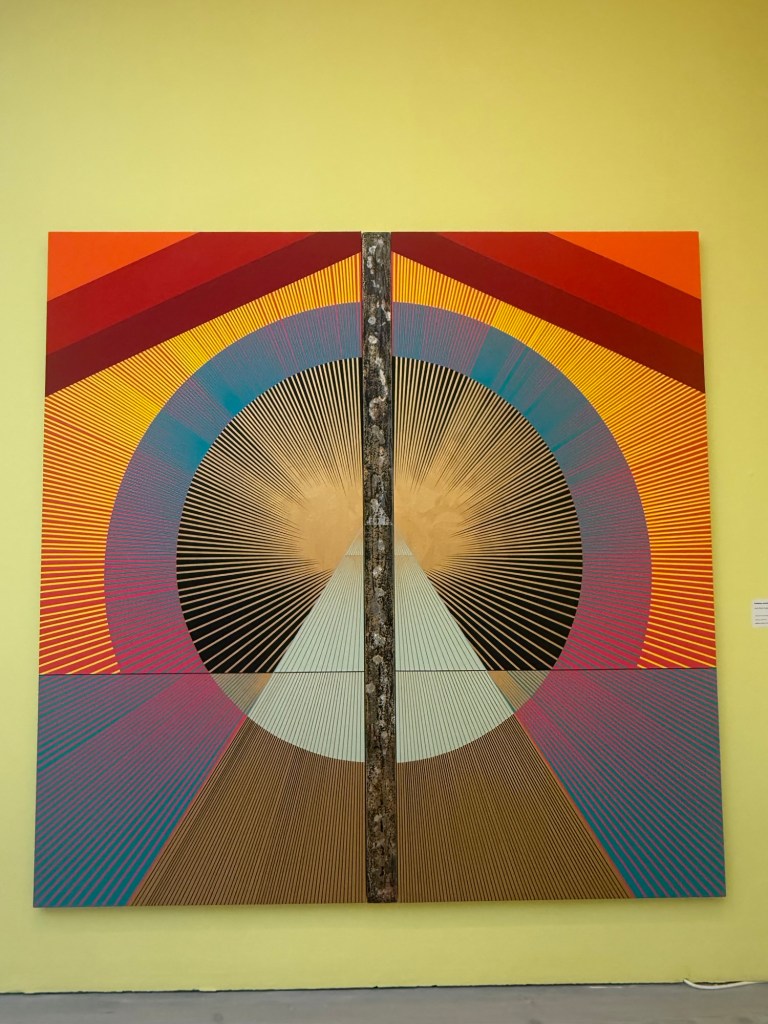
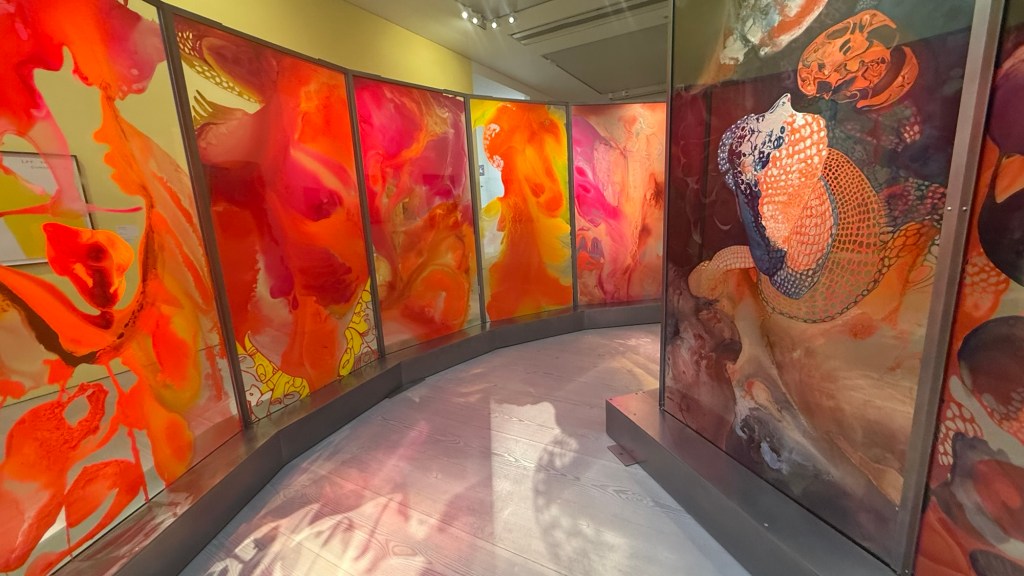
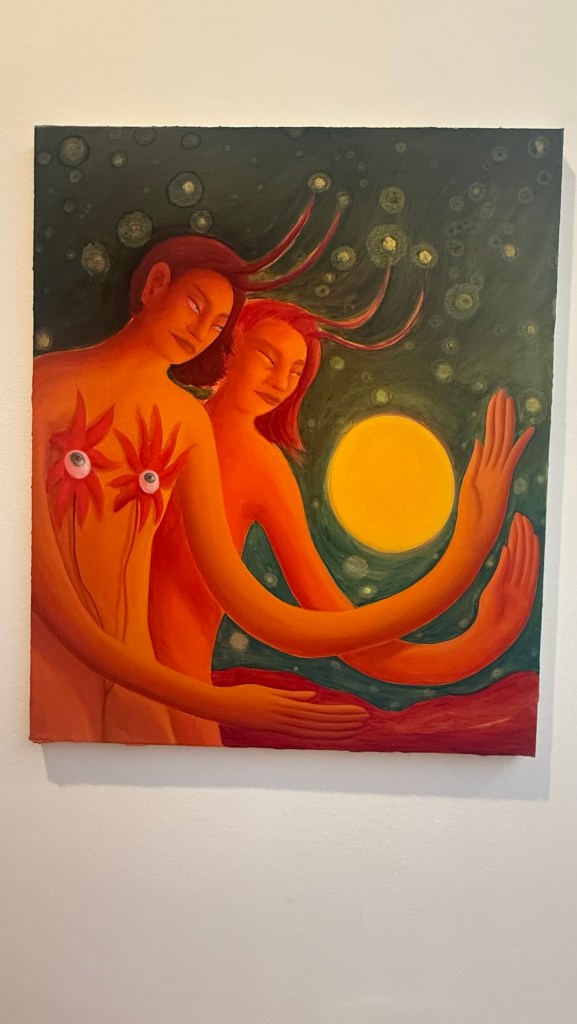
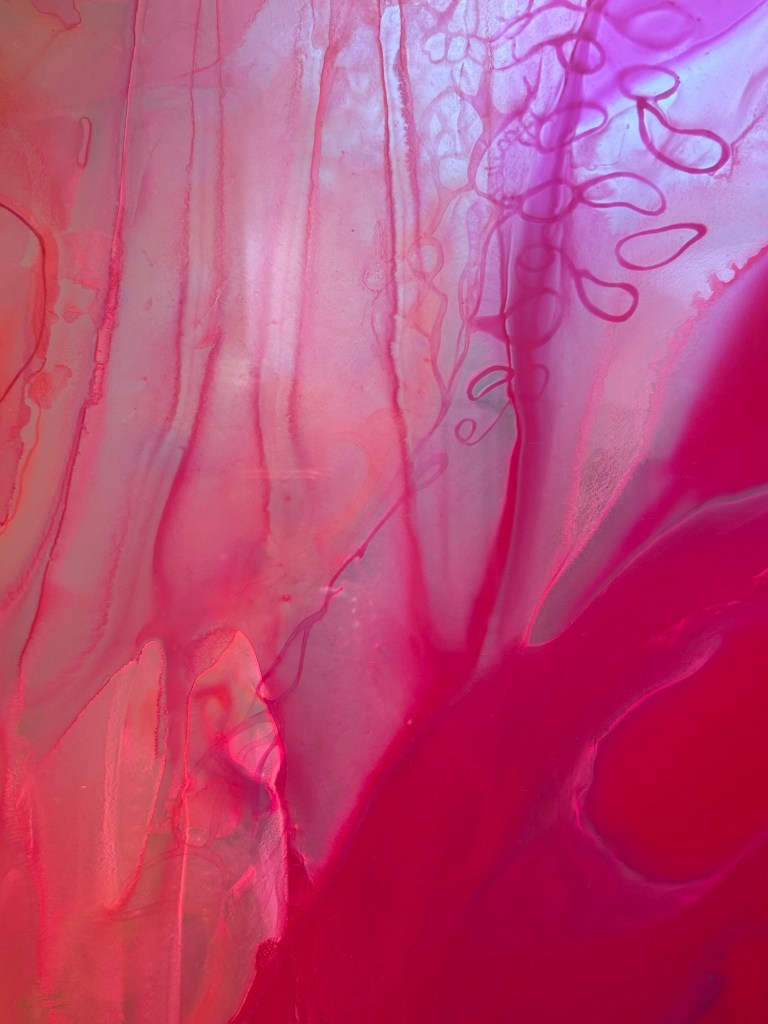
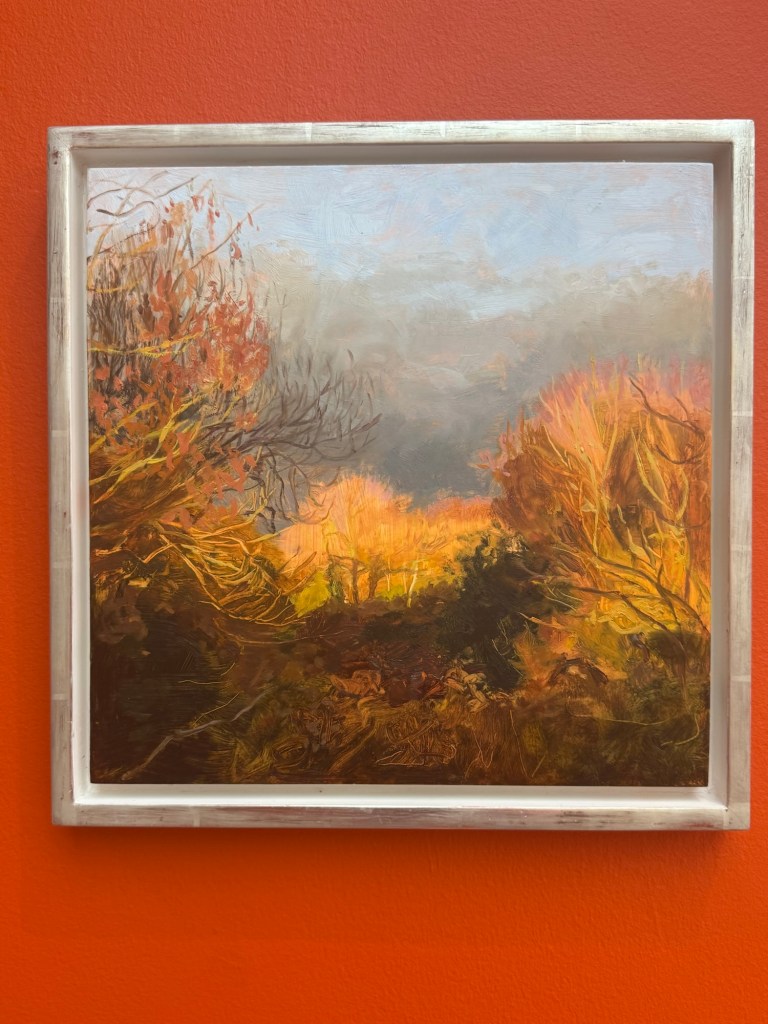
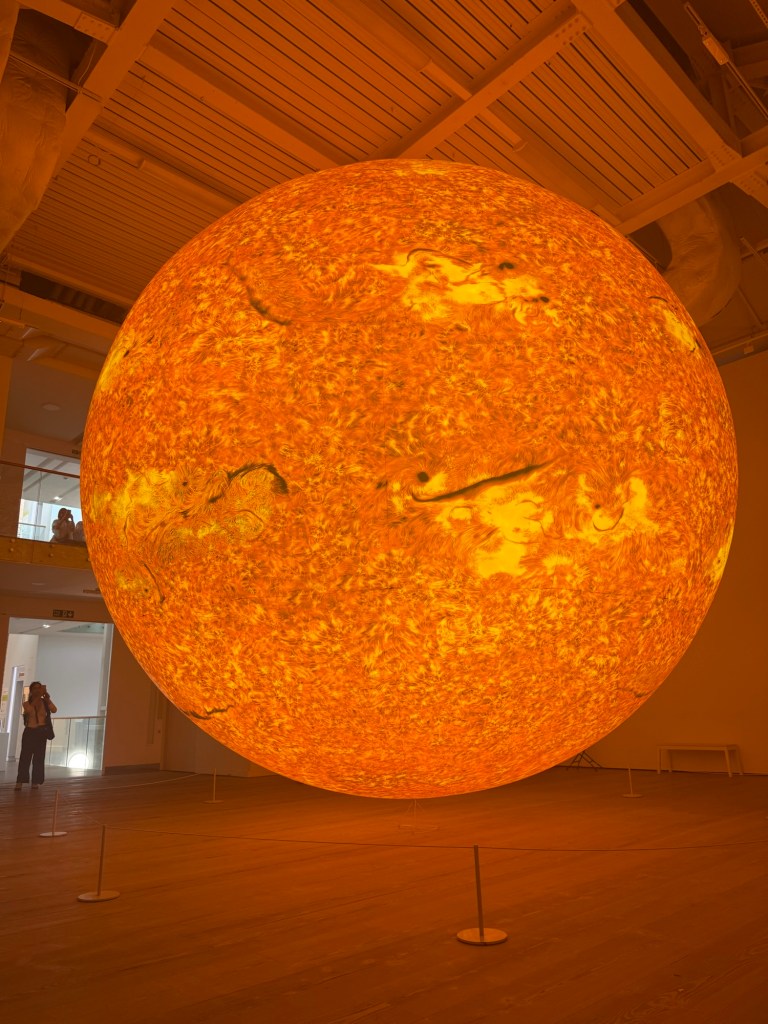
At the midpoint, Luke Jerram’s Helios stops the exhibition in the best possible way. Suspended in a double-height gallery, this monumental globe-like Sun is made from a collage of more than 400,000 photographs of the solar surface. I sit before it for half an hour, watching its heatless radiance hold the room.
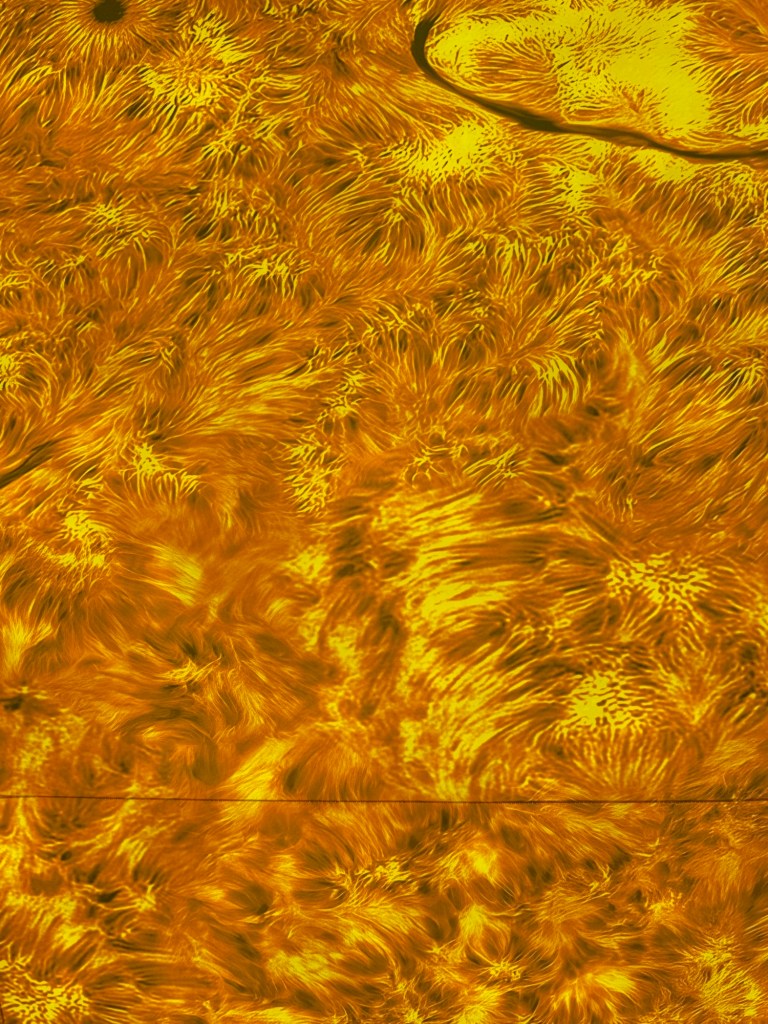
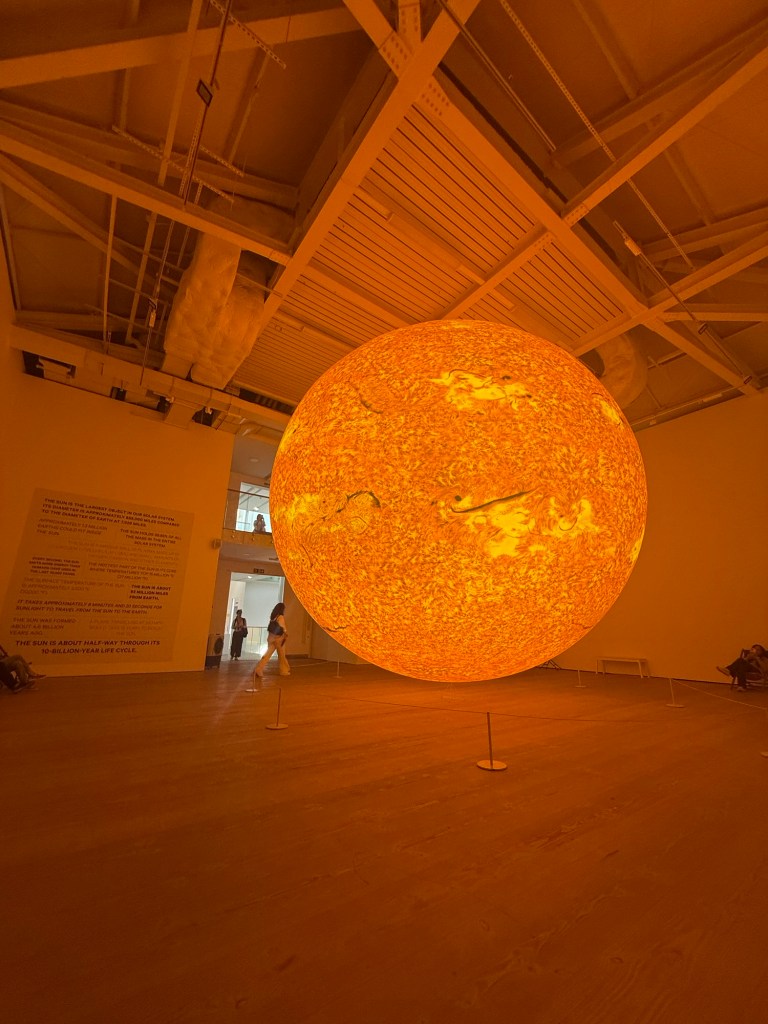
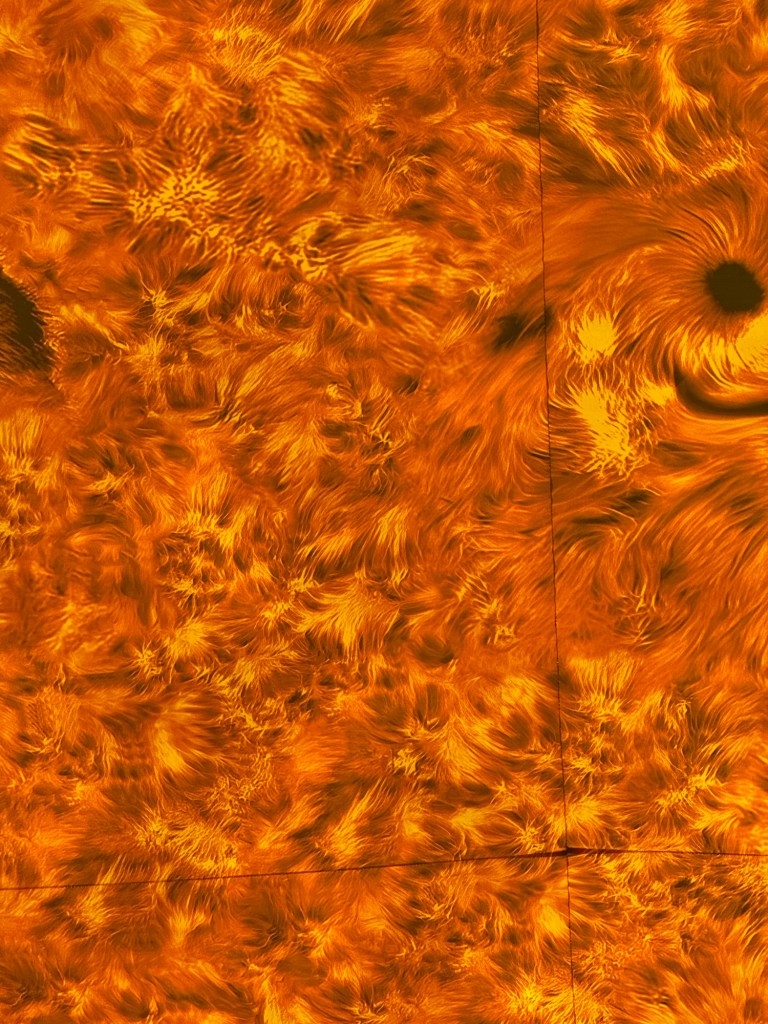
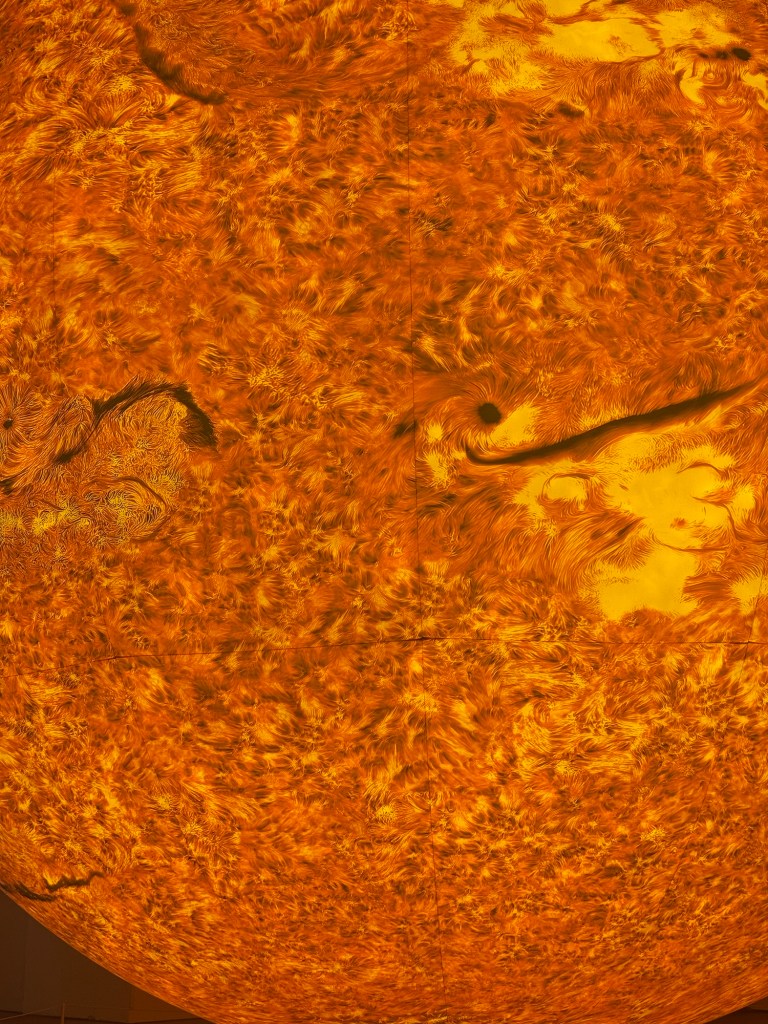
The Moon takes over in the second half. Evening introduces its pull on artists through works including Saad Qureshi’s large-scale split moon, suspended in space. I particularly love this work.
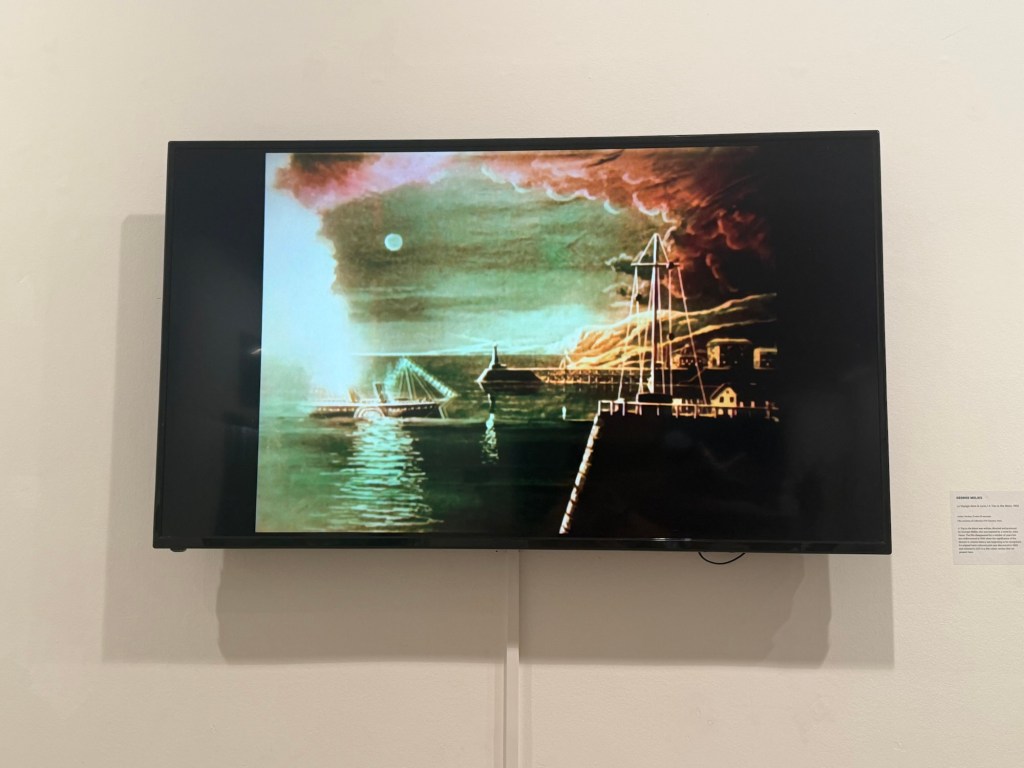
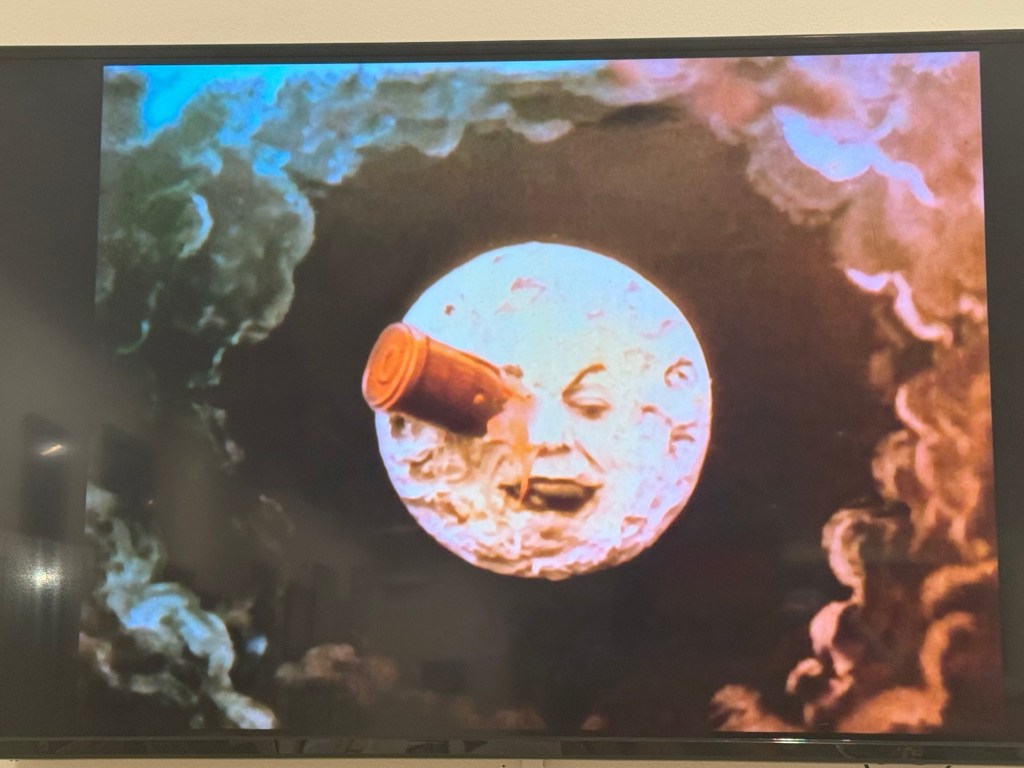
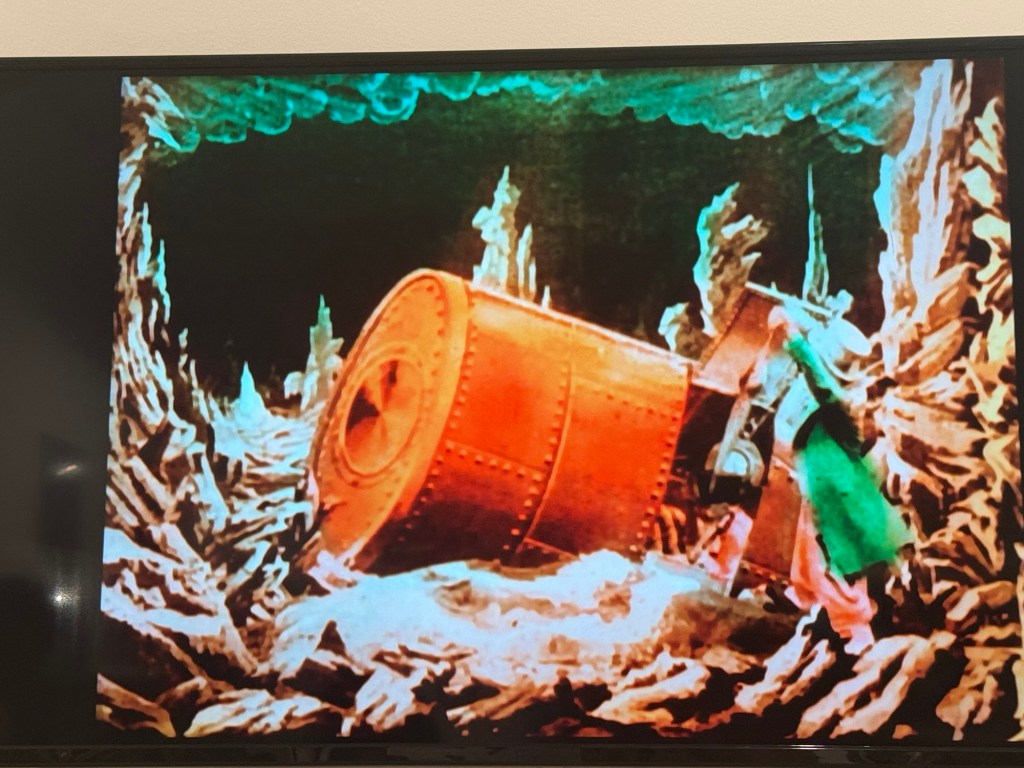
Walking on the Moon turns to the Apollo missions and the cultural imagination of space exploration, highlighting not only astronauts and spectacle but also the craftswomen and designers who help make such missions possible. While I don’t find this as interesting as the more spiritual aspects of the theme, it was an appropriate intervention into the discourse. At its centre is Moon Landing, a collaborative work by Margo Selby and composer Helen Caddick. I was pleased to see a beautiful restoration of Georges Melies film A TRIP TO THE MOON. I’d only seen it on a computer screen before: it was wonderful to see it presented well and in the context of the exhibition. It is a terrific piece of work!
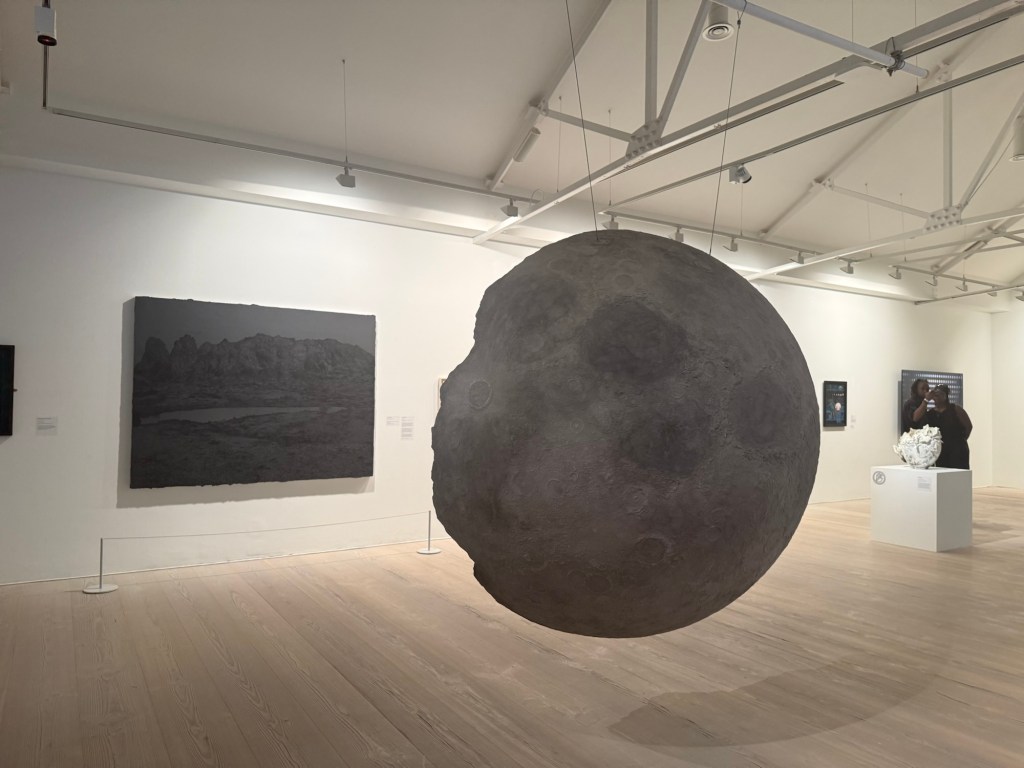
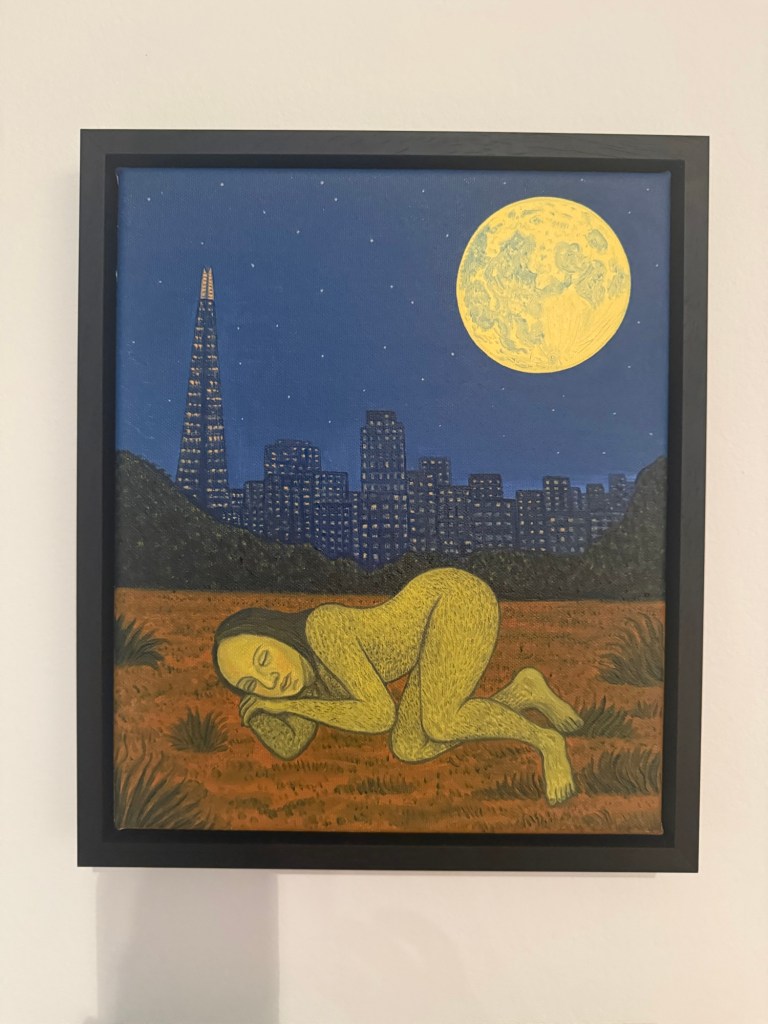
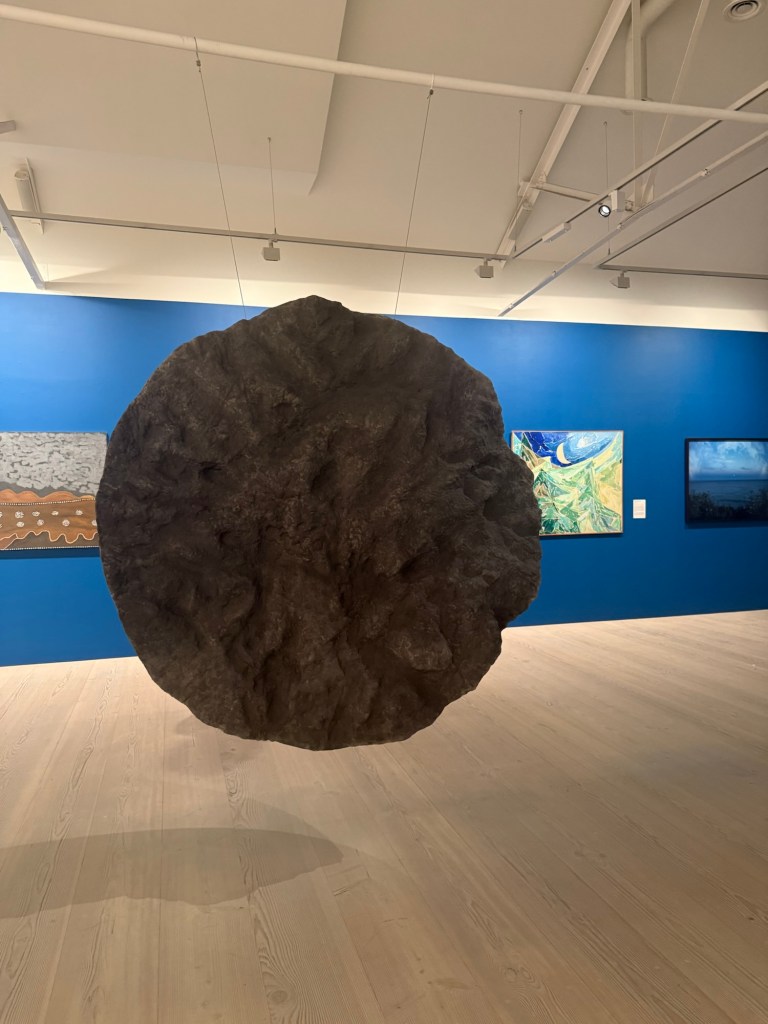
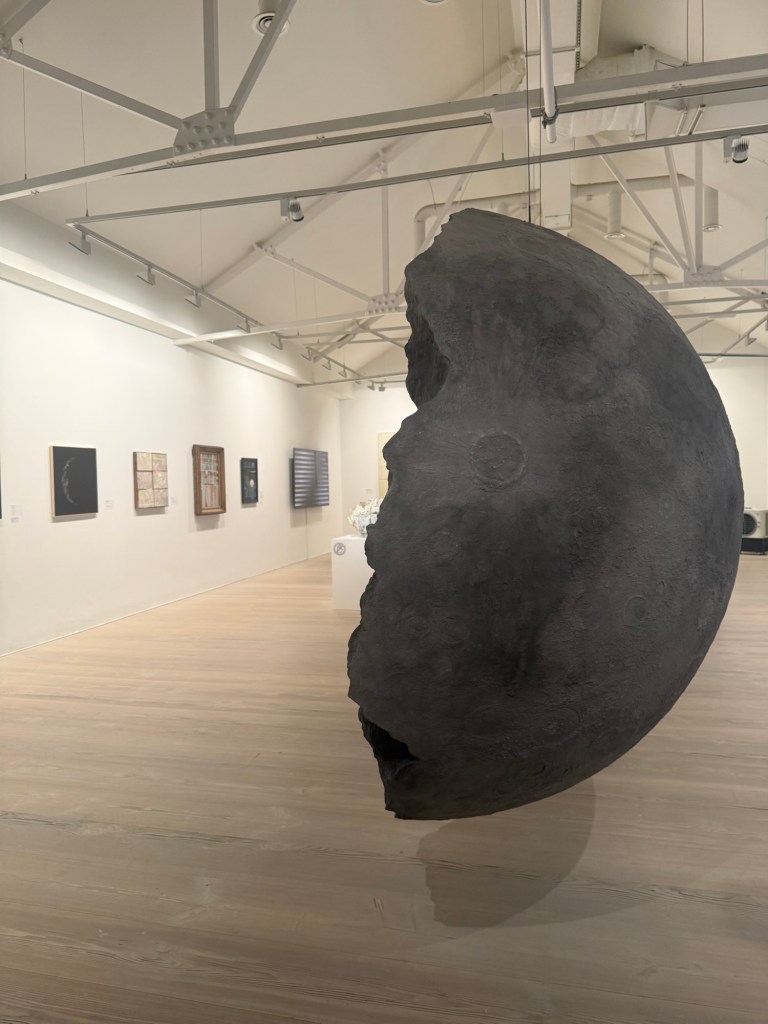
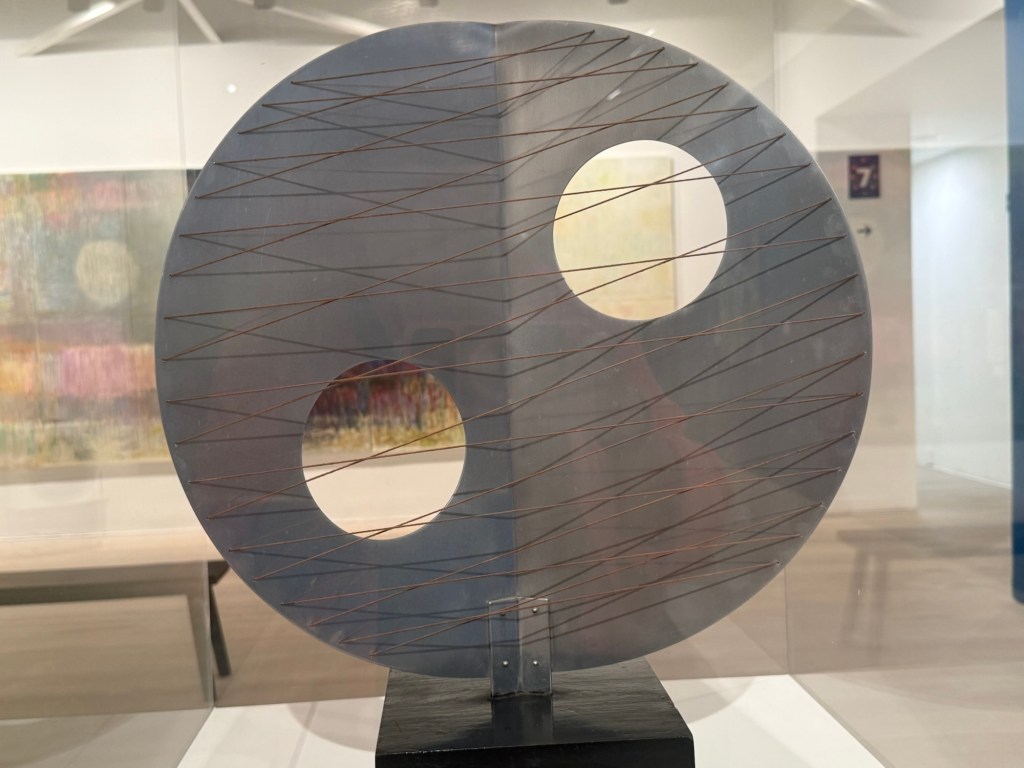
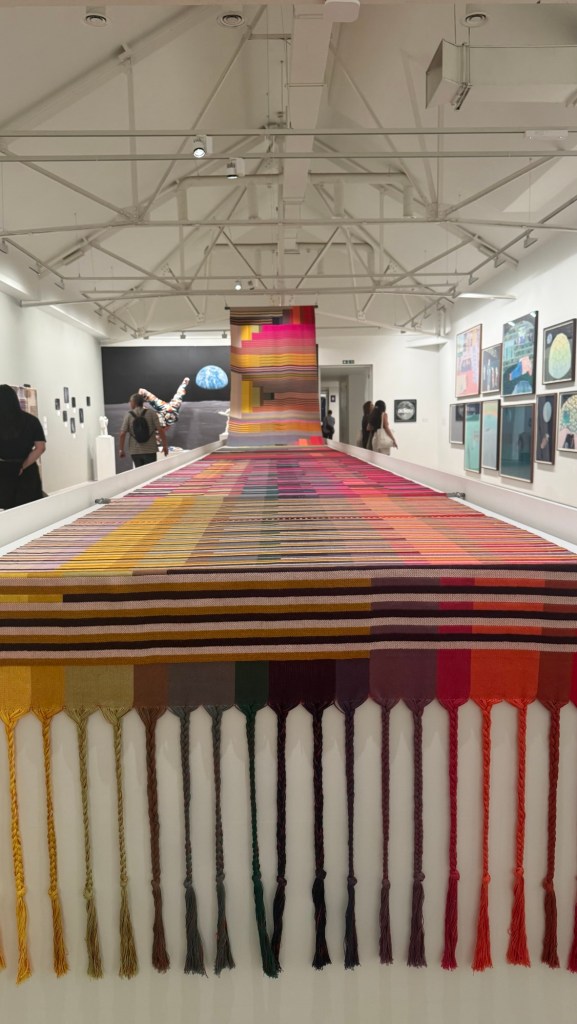
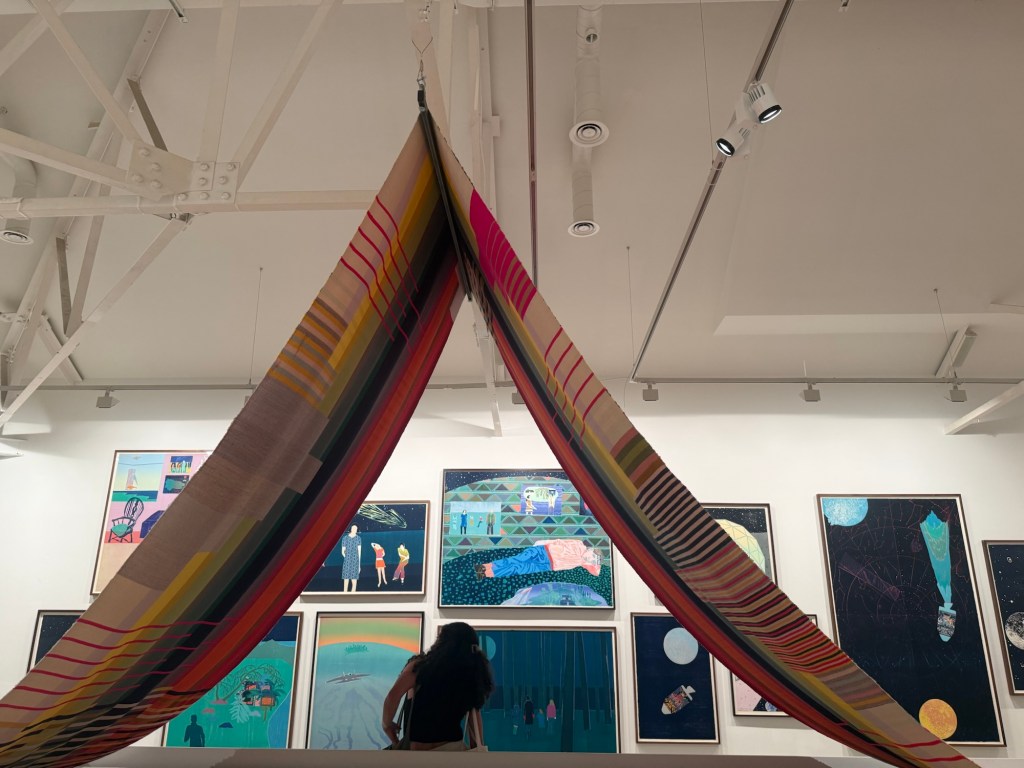
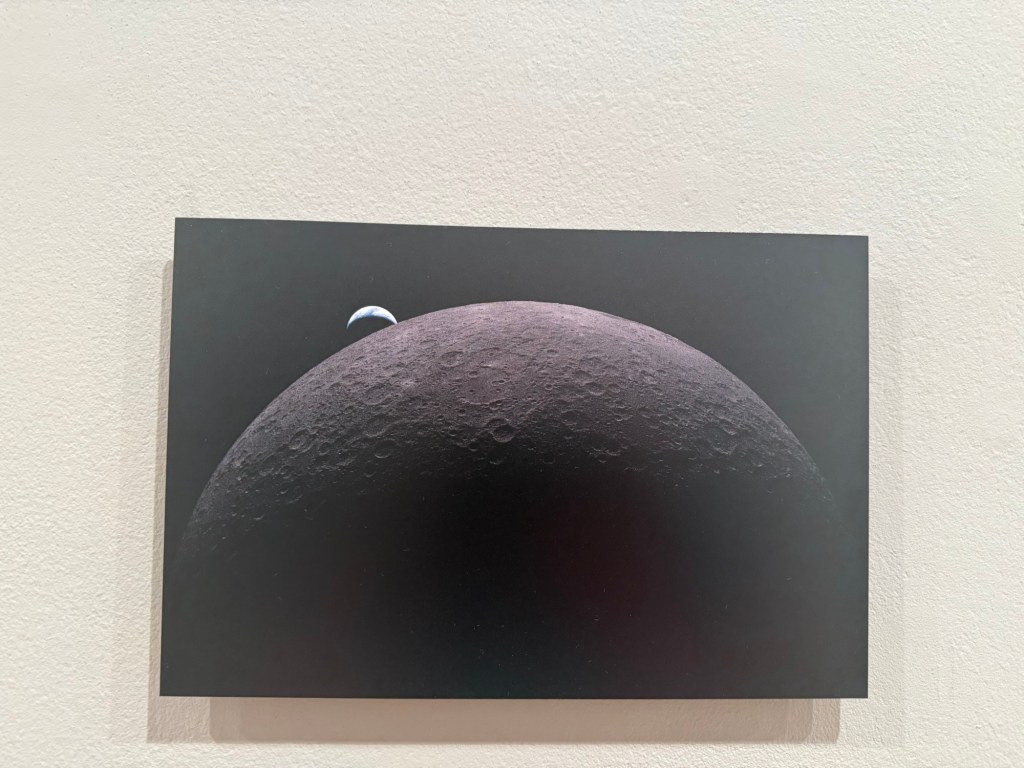
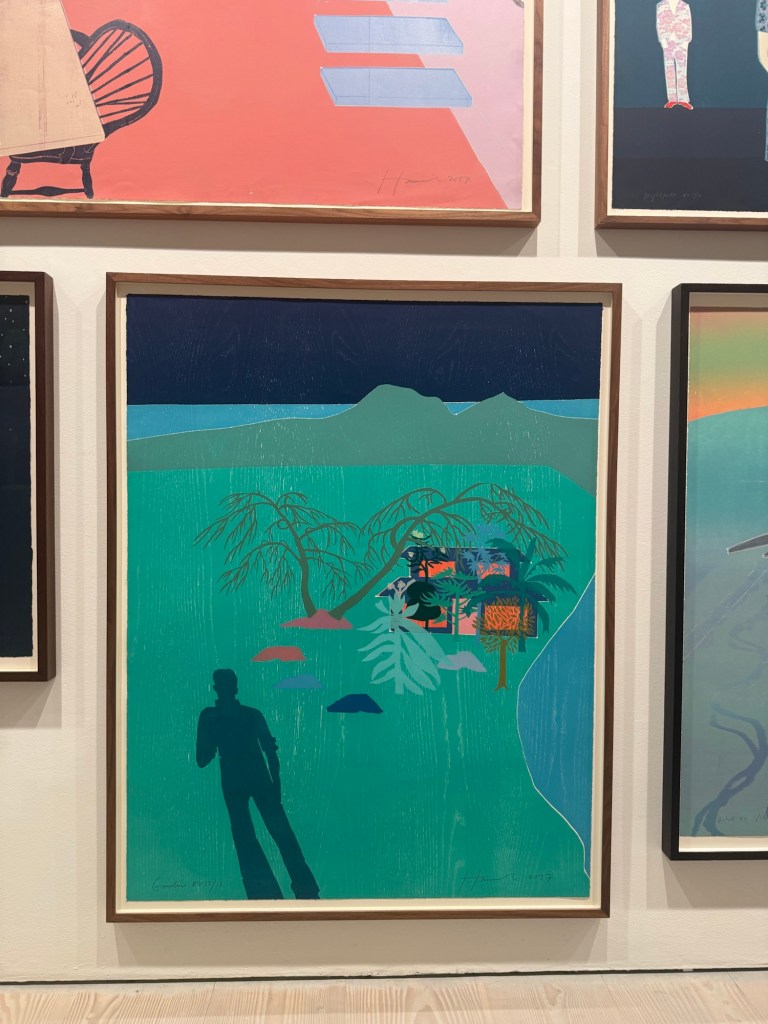
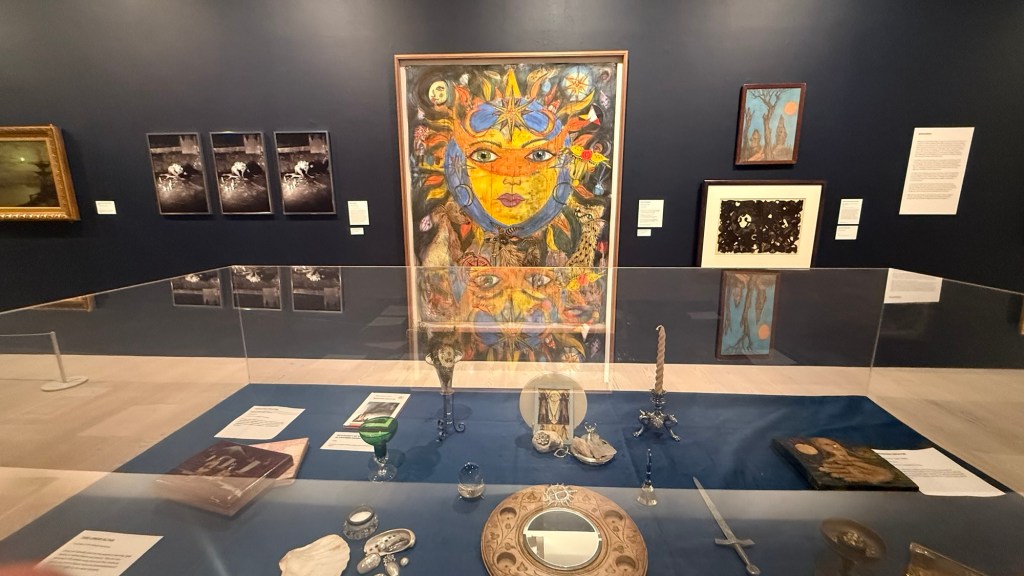
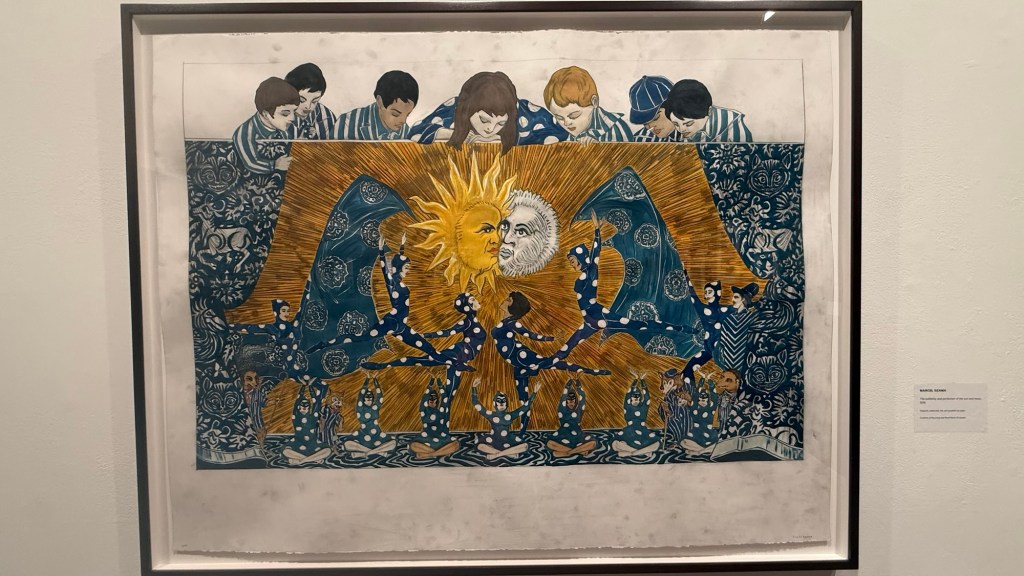
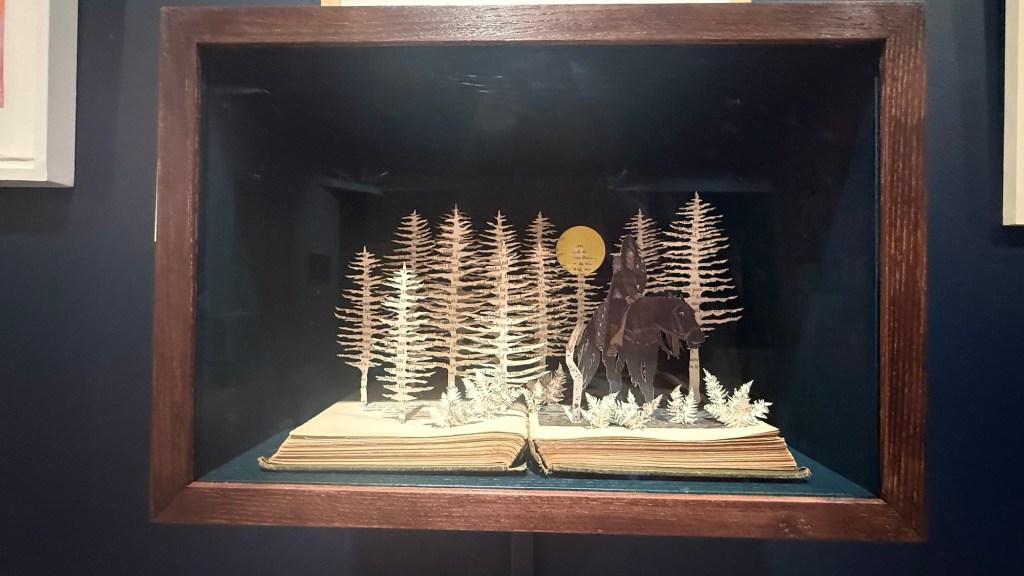
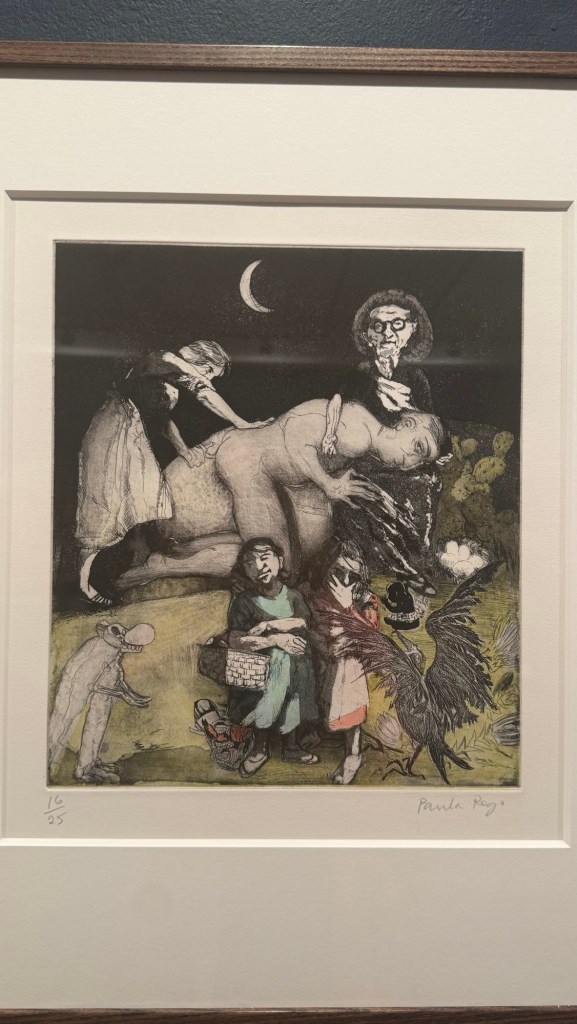
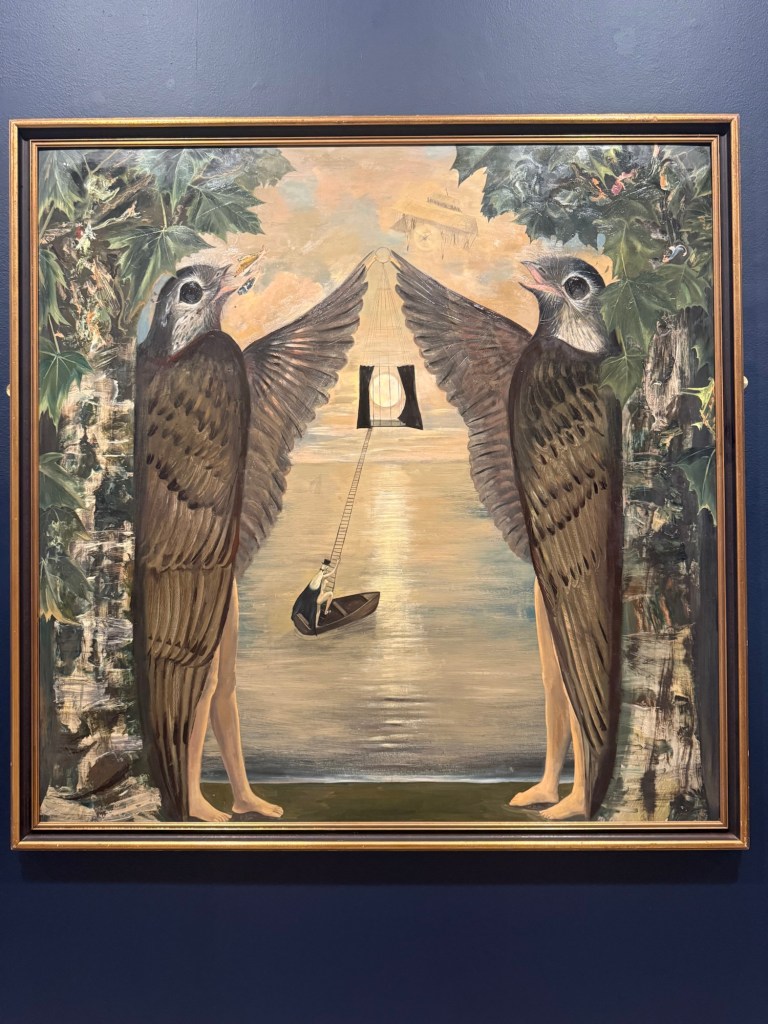
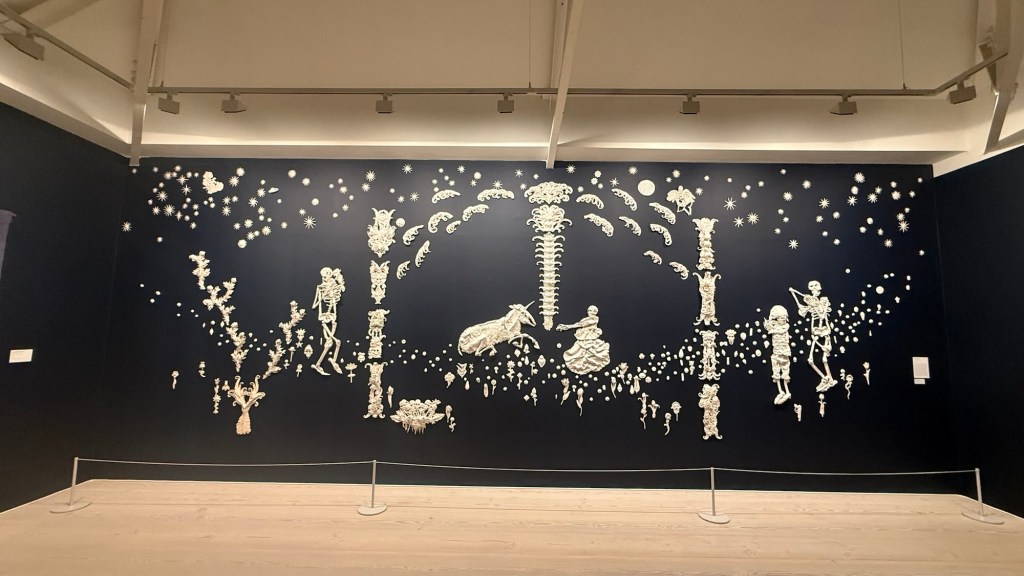
The penultimate chapter, Midnight, explores the Moon’s association with folklore, magic, dreams and the ‘witching hour’. It is a section that could easily lapse into cliché, but instead feels finely judged: atmospheric, precise and fully integrated into the exhibition’s wider structure. The show concludes with Darkest Hours, featuring Massless Suns and Dark Suns and Massless Sun and Surface of the Sky by teamLab, an immersive finale that leaves the viewer with the scale of the universe and the small, persistent human need to make meaning beneath it.


You must be logged in to post a comment.