part one – Russia
I recently read an article in which the author reflected on the memorable meals he had enjoyed during his travels and ranked them by category. What made the piece notable was that the dishes he named as the best were often unexpected: for example, he found the best spaghetti with meat sauce in Las Vegas and the best burger in Malaysia. The article prompted me to reflect on my own travels.
To be candid, food is not the first consideration when I plan a trip, and I usually eat out of necessity rather than in search of exceptional cuisine. Nevertheless, as one must eat, I try to make the most of it wherever I am. This journal is the result: a record of art and food from my travels.
I will proceed from east to west. As I have never been to Asia, I will begin my journal in Russia.
Rostov-on-Don
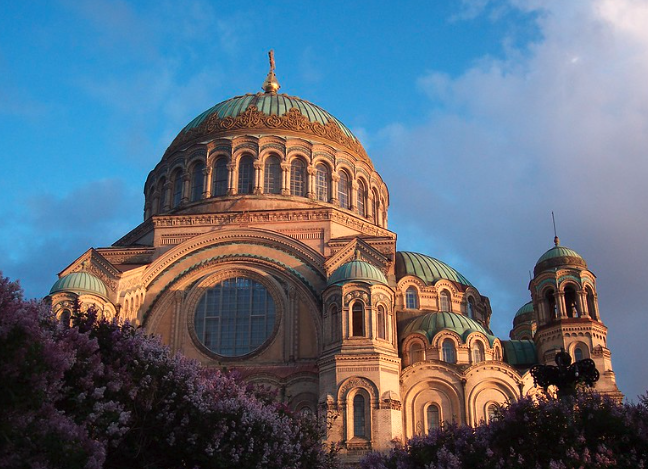
In the mid-2000s, I visited the city’s principal cathedral to see its icons and attend the Easter service, which was magnificent.
The highlight was kulich, the Easter bread given to me by local people. It resembles a panettone, rich in eggs yet light, and not too sweet, with just enough sweetness to make one want to keep eating. I ate a great deal of it, as it is available only at Easter. I also attended the Easter service at the cathedral, a beautiful, packed space filled with icons. Everyone held a long, thin, tapered beeswax candle, and the Orthodox choral singing was extraordinary. Unfortunately, I had very long hair at the time and was concerned that someone’s candle might set it alight, which prevented me from fully immersing myself in the experience.
Nizhny Novgorod
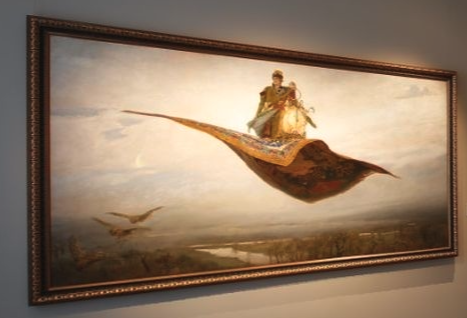
I visited the city’s art museum, which houses many fine paintings by renowned Russian artists, including Boris Kustodiev’s Russian Venus, Viktor Vasnetsov’s The Magic Carpet and Alexei Savrasov’s The Rooks Have Come Back. Its collection also includes works by Ilya Repin, Ivan Shishkin, Isaac Levitan, Karl Bryullov, Valentin Serov, Konstantin Korovin and Nicholas Roerich.
I have spent considerable time in Nizhny Novgorod over the years and have never had a poor meal. Perhaps the most memorable was in a small café, where a friend ordered stroganoff. It tasted very good, but the texture of the meat was unusual. When I asked what it was made from, he looked at me in surprise and replied that it was liver, of course. It was a delicious liver stroganoff, although I had not guessed it. On another occasion, whatever we thought we were ordering from the menu, our group invariably received at least one dish of tongue. Fortunately, I quite like tongue, but my vegetarian friend found it distressing that, despite her careful study of the menu, she was still served it.
Yuryevets
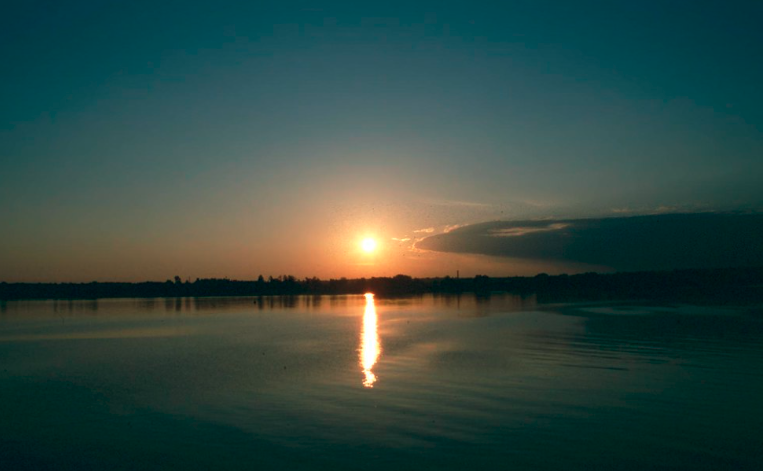
This is perhaps the most obscure destination in my journal: the town where the renowned Russian filmmaker Andrei Tarkovsky was born. It is remote, on the banks of the Volga, and I had to take a boat to reach it. On the boat, I met a charming woman who insisted that my friend and I visit her home and meet her husband, a talented painter. She prepared pelmeni, the Siberian dumplings, served with sour cream, together with vegetables from her garden, homemade fruit juice, pastries and vodka. The setting was exceptionally beautiful, among the most stunning landscapes I have ever seen, and the home-cooked meal combined with the natural surroundings made the experience deeply satisfying. I have eaten pelmeni many times during my travels in Russia, but that bowl on an afternoon in Yuryevets was truly special.
Moscow
Moscow offers so many artistic attractions that it is impossible to list them all, so I will mention only one: the Tretyakov Gallery. There are, in fact, two Tretyakovs, the Old and the New. The Old Tretyakov holds classical paintings of the eighteenth and nineteenth centuries, while the New focuses on the twentieth century. Together they present a fascinating history of Russia, a country that emerged suddenly on the European art scene in the late eighteenth century and produced, throughout the nineteenth, arguably the finest body of painting, literature and music of any nation, certainly surpassing anything from the English-speaking world and rivalling France. I have always admired Russian art, music and painting, and a visit to the Tretyakov is, for me, pure delight.
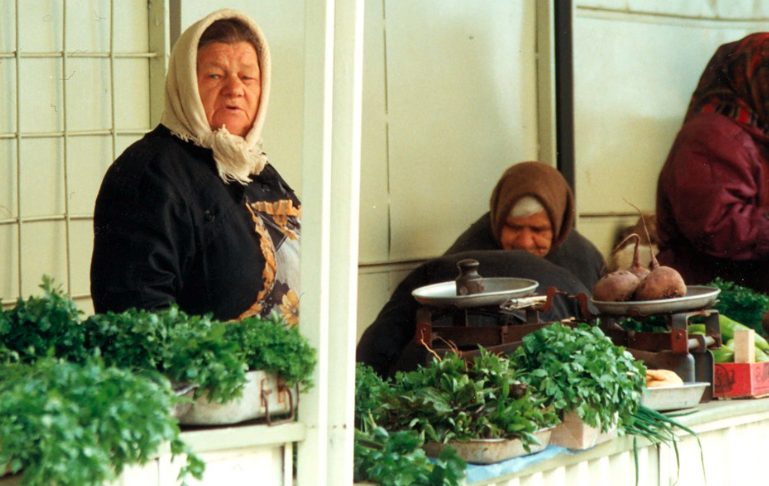
Moscow’s food scene is equally impressive, with cuisine available from virtually every part of the world. On one occasion I dined with friends at a Kazakh restaurant. Unsure what to expect, I selected meat and vegetables from a display and gave them to the chef, who stir-fried them. I particularly enjoyed one item and was eating it with relish when a friend remarked, “Oh, you like the horse”. I had never eaten horse and had certainly not planned to, but it was delicious, especially with the Mongolian spices. I felt some reservations about it, though not enough to stop me returning a week later for another helping.
Saint Petersburg
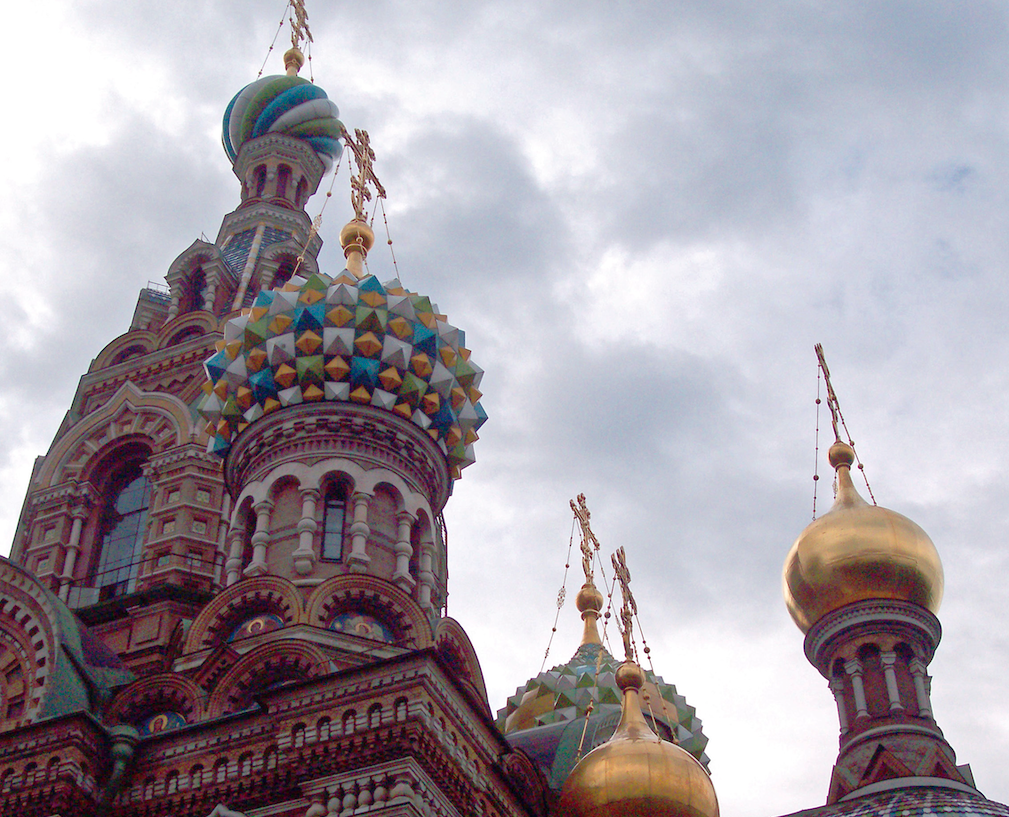
In Saint Petersburg, one is said to be “almost in Europe”.
The Hermitage must be seen to be believed. I have never seen anything quite like it: it is among the most lavish palaces in human history. The pharaohs may have had grander ambitions, but no European monarch has a palace to rival the Hermitage. Entire rooms are made of semi-precious stones, inlay is everywhere, and the quantity of gold leaf would rival the holdings at Fort Knox. It is not the only palace in Saint Petersburg and its surroundings; there are many, a reminder of the remarkable era of Catherine the Great. Nor is it the only outstanding museum; the Russian Museum is also well worth visiting. In addition, when I visited, the city had a thriving contemporary art scene, ranging from radical performance art to experimental and engaging painting.
As in Moscow, almost any cuisine is available in Saint Petersburg, but I tend to prefer Russian food. My favourite dish, which I have eaten many times there, is shuba, a layered salad of herring, beetroot, potatoes, mayonnaise and dill, with hard-boiled eggs and parsley. The layering gives it a dramatic appearance, and it tastes wonderful, especially after a bowl of my favourite Russian soup, solyanka.
I could eat solyanka at any time of day, and often did, including when returning home from a night out, by which point people were already beginning to have lunch and I could readily find a café serving it. A special treat was when a friend could take me to their workplace canteen at lunchtime, where staff served generous plates of Soviet-style food, with better ingredients and more seasoning.
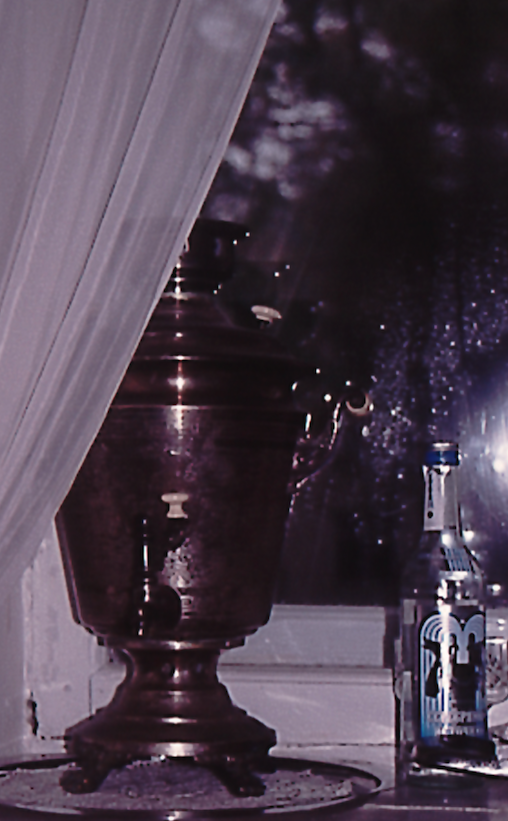
Due to the current war situation I will not be going back to Russia anytime soon, but I remember it fondly. I love the way that the kettle or samovar is always on, and tea is a ritual never to be missed.